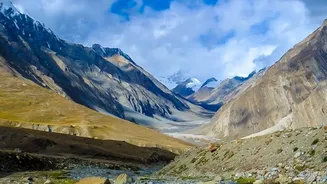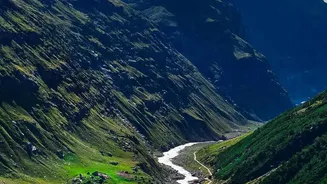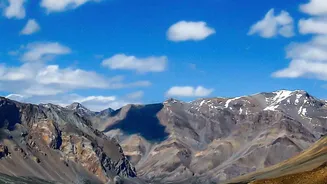



Understanding the Monsoon Challenge
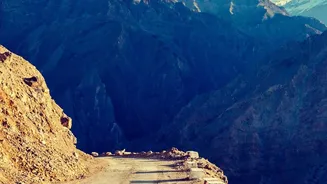
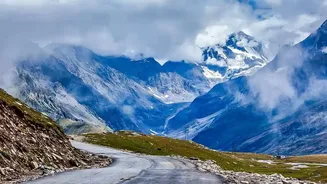
A monsoon trip to Spiti is a tale of two realities. While the core Spiti Valley is a rain-shadow region and remains relatively dry, the approach roads are not. The journey through Kinnaur from the Shimla side, or the tougher route from Manali, is fraught
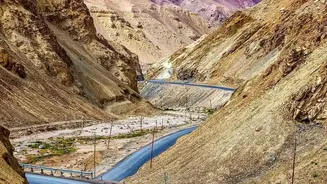
with monsoon-related hazards. Recent travel advisories for August 2026 highlight the risk of landslides, flash floods, and temporary road closures on both major routes. The Shimla-Kaza highway, though generally more reliable, frequently sees disruptions, particularly on the stretch between Wangtu and Sumdo. The Manali-Kaza route, involving the formidable Kunzum Pass, is even more unpredictable, with water crossings swelling and slushy patches becoming common. Therefore, flexibility is key; travellers must build buffer days into their itinerary and be prepared to change plans at a moment's notice.
Permit Rules: Who Needs What?
There is significant confusion regarding permits, but the rules are clear. For Indian citizens, no Inner Line Permit (ILP) or Protected Area Permit (PAP) is required to visit the main tourist circuit of Spiti Valley. You can travel freely to Kaza, Tabo, Dhankar, and other popular destinations. However, you must carry a valid government-issued photo ID like an Aadhaar card, passport, or voter ID for mandatory registration at police checkposts, such as those at Jangi and Sumdo. For foreign nationals, a Protected Area Permit (PAP) is mandatory to enter the restricted areas of Spiti and Kinnaur, which includes most of the valley. This permit is not available online and must be obtained in person.
The Permit Process for Foreign Nationals
Foreign nationals must apply for the Protected Area Permit (PAP) at designated government offices. The most common and recommended places are the Sub-Divisional Magistrate (SDM) offices in Reckong Peo (if entering from the Shimla side) or Kaza (if entering from the Manali side). The Reckong Peo office is often preferred for its efficiency. The required documents typically include your original passport with a valid Indian visa, photocopies of both, passport-sized photographs, and a detailed itinerary. The fee is nominal, but processing can take a few hours, so it's wise to reach the office well within working hours (usually 10 AM to 5 PM on weekdays). Note that solo foreign travellers may need to form a group of at least two to get the permit.
Vehicle Preparation is Non-Negotiable
Your vehicle is your most critical safety tool. A thorough service before the trip is essential, focusing on brakes, tyres, and engine health. Given the rough terrain, a vehicle with high ground clearance is strongly recommended. Carry a complete toolkit, a spare tyre (and the knowledge to change it), and essential spares like wiper blades. During monsoon, slush and water crossings are frequent; knowing your vehicle's capabilities is crucial. Also, fill up on fuel whenever you get the chance, as petrol pumps are scarce. Carrying spare fuel in a proper jerrycan is a wise precaution.
On-Road Safety Protocols
Driving during the monsoon in the Himalayas requires a different mindset. The mantra is to start early, as water crossings are generally less ferocious in the morning. Never drive at night. Be extremely vigilant for shooting stones, a common hazard during and after rains. Maintain a slow, steady speed and avoid sudden braking, especially on slushy or gravelly patches. Always check the latest road status from official sources or local contacts before starting your day's journey. If authorities have closed a road or issued a warning, do not attempt to proceed. It's better to be delayed than to be in danger.
Your Essential Monsoon Kit
Beyond vehicle tools, your personal kit should be monsoon-ready. Pack waterproof layers, including a good quality rain jacket and waterproof footwear. Carry a comprehensive first-aid kit, including medication for altitude sickness (after consulting a doctor). Since mobile networks are unreliable, a power bank for your devices and offline maps are essential. Pack enough drinking water and high-energy snacks to last through unexpected delays. Finally, keep emergency contact numbers for district administration and local police saved and accessible.