



The Science Behind Less Protein
In the world of longevity research, few topics generate as much buzz as dietary restriction. For years, scientists have studied how limiting calories can extend lifespan in organisms from yeast to mice. More recently, the focus has shifted to a more specific
target: protein. Research suggests that restricting protein, or even just certain amino acids (the building blocks of protein), can influence biological pathways linked to aging. One of the key players is a nutrient-sensing pathway called mTOR (mechanistic target of rapamycin). When you consume protein, mTOR is activated, signalling your cells to grow and proliferate. While this is essential for functions like muscle repair, chronic activation of mTOR is linked to accelerated aging. By restricting protein, the theory goes, you can dial down mTOR activity. This allows the body to shift its focus from growth to cellular cleanup and repair, a process known as autophagy, which helps clear out damaged cellular components that accumulate as we age.
Why Cutting Protein Can Be Risky
While the science is intriguing, it doesn't mean everyone should immediately clear their plates of protein. Most of the compelling longevity data comes from animal studies, and the benefits for humans are not yet established. Protein is a macronutrient that is absolutely essential for life. It forms the structure of every cell in your body, supports your immune system, helps heal injuries, and, most critically, builds and maintains muscle mass. For many people, consuming too little protein is a far greater and more immediate danger than consuming too much. Inadequate protein intake can lead to a host of problems, including weakness, fatigue, a compromised immune system, and slow wound healing. Therefore, applying the findings from lab studies directly to your dinner plate without considering the full context can do more harm than good.
Older Adults: A Group That Needs More Protein
The conversation around protein intake changes dramatically after the age of 65. For older adults, the primary risk is not accelerated aging from too much protein, but the loss of muscle mass and strength, a condition called sarcopenia. This age-related muscle decline is a major cause of frailty, falls, loss of independence, and increased mortality. To combat sarcopenia, experts recommend that older adults consume more protein than their younger counterparts. While the general recommendation for adults is 0.8 grams of protein per kilogram of body weight, guidelines from organisations like the European Society for Clinical Nutrition and Metabolism (ESPEN) suggest 1.0 to 1.2 g/kg for healthy older adults. For those with acute or chronic illnesses, that recommendation climbs even higher, to 1.2 to 1.5 g/kg, to support recovery and maintain muscle. In this context, protein restriction is not only inappropriate but potentially dangerous.
It's Not Just How Much, But When and What Kind
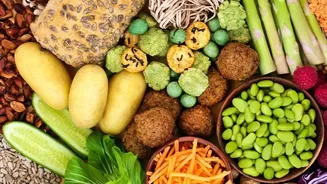
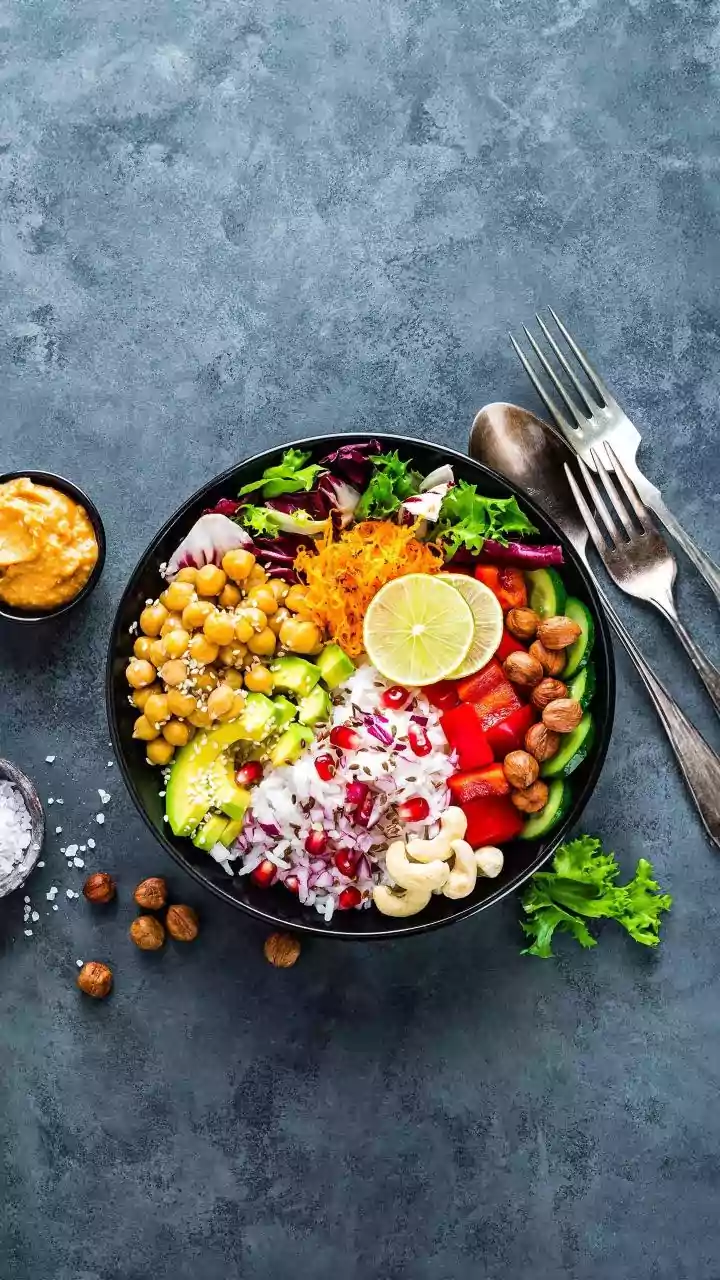
The debate is more nuanced than simply 'high versus low' protein. The source of the protein and how it's consumed throughout the day also matter significantly. Some research suggests that plant-based proteins may not carry the same risks associated with accelerated aging as animal proteins. Furthermore, how you distribute your protein intake is key. The body can only use a certain amount of protein for muscle synthesis at one time. Spreading your intake evenly across all meals—aiming for roughly 20-30 grams each time—is more effective for muscle maintenance than consuming the bulk of your daily protein in one large dinner. For older adults, this strategy is particularly important for maximising the muscle-building response to the protein they eat. This focus on quality and timing offers a more sustainable and safer approach than drastic restriction.
Personalising Your Protein Intake
Ultimately, there is no single magic number for protein intake. Your ideal amount depends on a variety of factors, including your age, body weight, activity level, and overall health status. Athletes, people recovering from surgery or illness, and pregnant women all have elevated protein needs. The research into protein restriction highlights interesting biological mechanisms, but it shouldn't be interpreted as a blanket recommendation to eat less protein. For most sedentary adults, the current intake might be more than needed, but for active individuals and older adults, ensuring adequate protein is crucial for health and function. Rather than adopting a restrictive diet based on preliminary findings, a more prudent approach is to focus on a balanced diet with high-quality protein sources at each meal.