




Master the Art of Washing
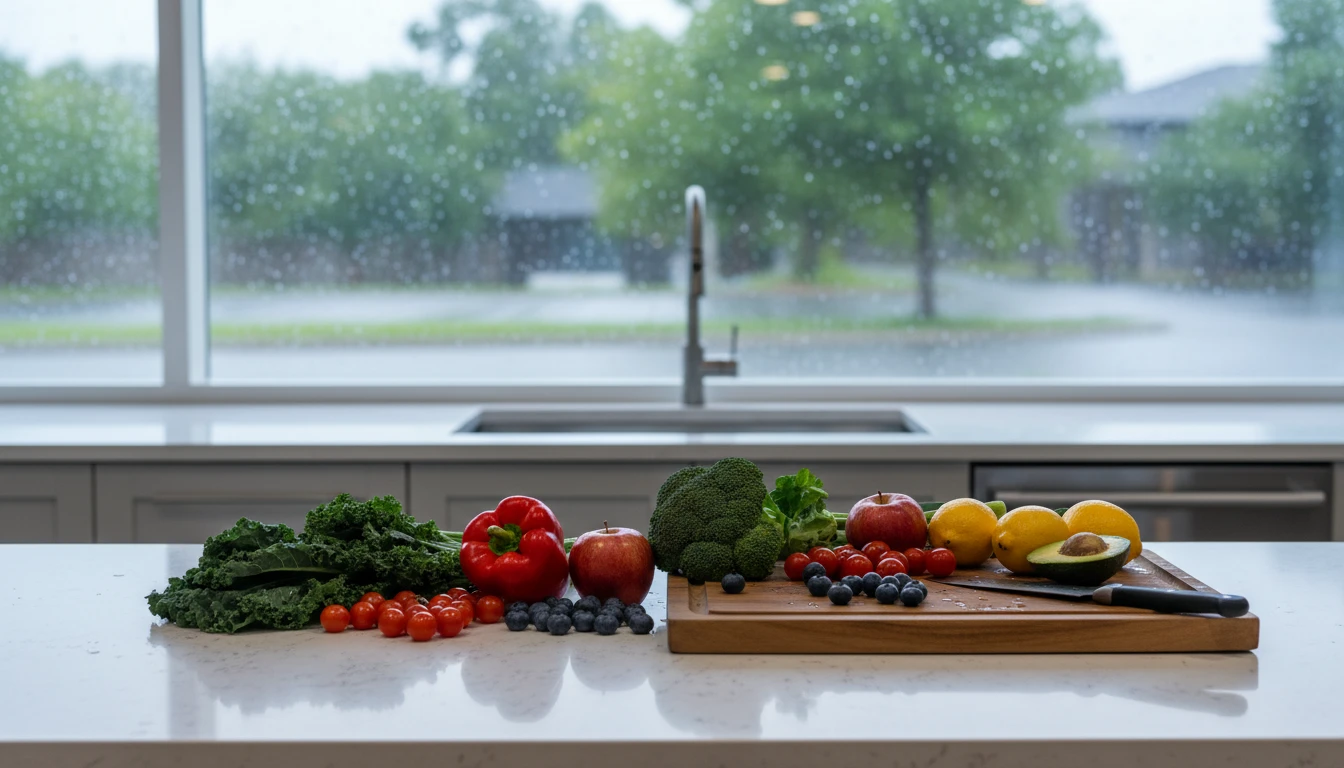
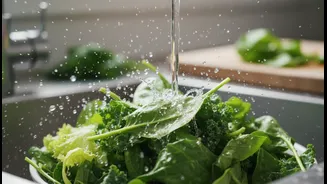
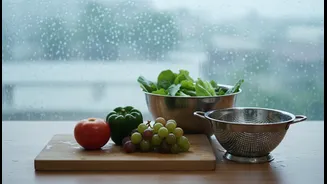
During the monsoon, fruits and vegetables are more likely to be contaminated with dirt, germs, and pesticides. A simple rinse is often not enough. Begin by washing all produce thoroughly under clean, running water to remove loose dirt. For leafy greens
like spinach and cabbage, it's crucial to separate the leaves and wash them individually. For an extra layer of safety, soak your vegetables for 10-15 minutes in a bowl of water with a tablespoon of salt or a small amount of vinegar. This can help draw out hidden pests and reduce microbial contamination before you give them a final rinse.
Prioritise Hot, Home-Cooked Food
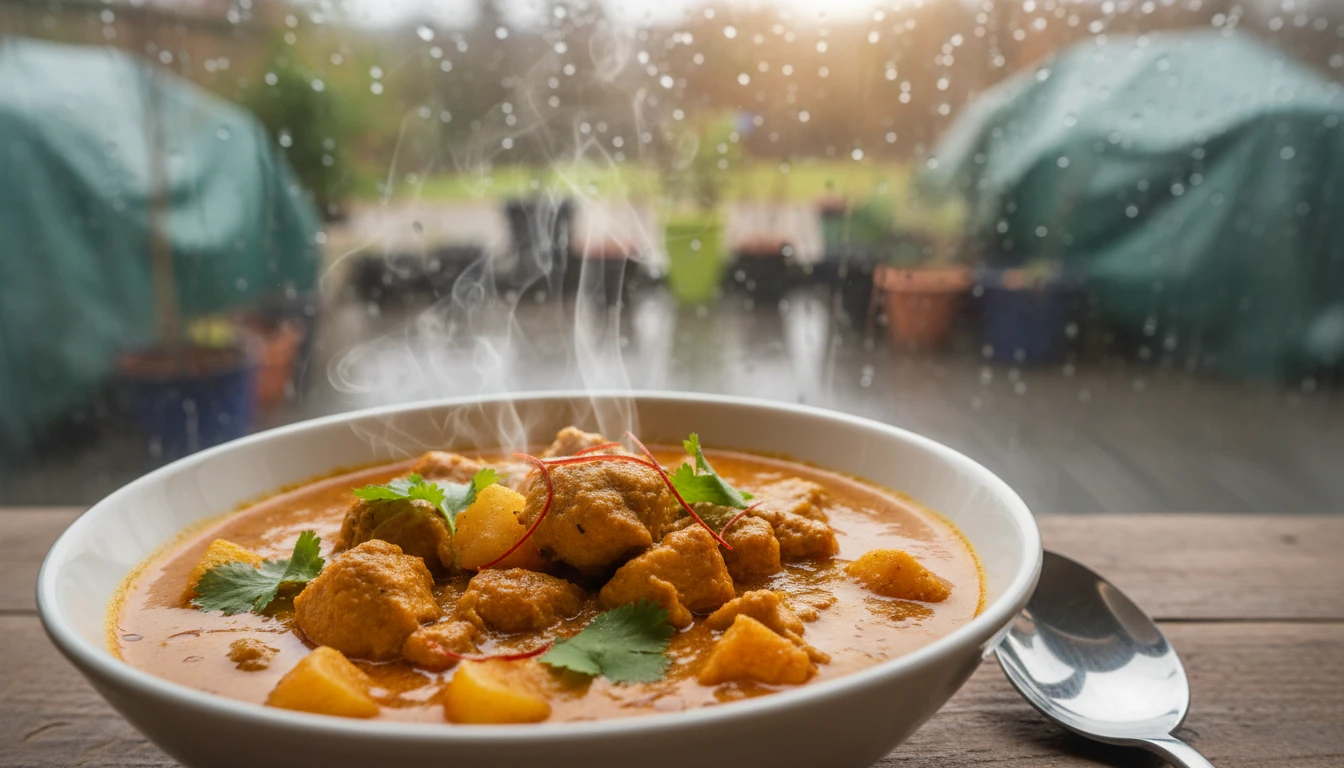
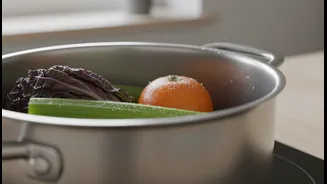
The combination of warmth and humidity is a perfect breeding ground for bacteria, making raw or cold foods riskier. This season, make freshly prepared, hot meals your family’s best friend. Cooking food at the right temperature is one of the most effective ways to kill harmful bacteria and other pathogens. Opt for steaming, boiling, and thorough cooking. Reheat leftovers until they are steaming hot to eliminate any bacterial growth that may have occurred during storage. It's best to avoid raw salads and sprouts from outside sources; if you must have them, prepare them at home after cleaning the ingredients meticulously.
Be Smart About Street Food
The craving for hot pakoras and chaat is undeniable during a downpour, but street food carries a higher risk during the monsoon. Open-air stalls are susceptible to contamination from flies, waterlogging, and the use of unpurified water. If you choose to indulge, opt for vendors who maintain high standards of hygiene. Prioritise foods that are cooked fresh in front of you and served piping hot, as high heat kills most germs. It's safer to avoid items with raw chutneys, pre-cut fruit, and drinks made with local ice or unverified water.
Hydrate Wisely with Safe Water
Waterborne diseases like typhoid, cholera, and diarrhoea are rampant during the monsoon as water sources can get contaminated. Never assume tap water is safe to drink. The most reliable method to purify drinking water at home is to boil it for at least one minute. Using a well-maintained water purifier with RO or UV technology is also a great option. When outside, always carry your own water bottle or purchase sealed, branded bottled water. Avoid drinking juices or other beverages from roadside stalls.
Upgrade Your Food Storage Habits
High humidity can make food spoil much faster, and it can also make dry goods like biscuits and spices soggy or mouldy. Proper storage is crucial. Use airtight containers for everything—from leftover dal to dry spices and snacks. This locks out moisture and prevents contamination. Refrigerate perishable items like dairy, cooked food, and chopped vegetables promptly. To keep leafy greens fresh, you can wrap them in paper towels before storing them in the fridge. Never leave cooked food at room temperature for more than two hours.
Maintain a Clean Kitchen
A clean kitchen is your first line of defence. Ensure your cooking surfaces, cutting boards, and utensils are cleaned and sanitised regularly. It's a good practice to use separate cutting boards for raw meats and vegetables to prevent cross-contamination. Keep your kitchen well-ventilated to reduce overall humidity. Personal hygiene is just as important; always wash your hands thoroughly with soap and water before preparing food, before eating, and after using the restroom.