



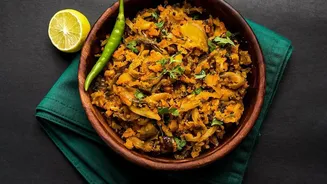
The 'Vegetable Meat' Explained
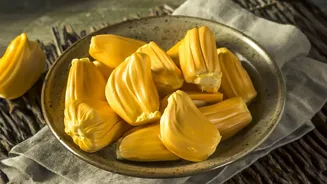
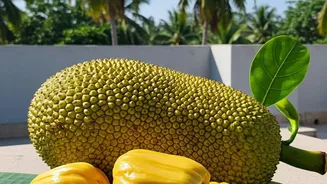
Before it ripens into the sweet, tropical fruit many are familiar with, young green jackfruit, or 'kathal', has a completely different personality. Harvested early, its flesh is firm, fibrous, and pale with a neutral taste. This is its greatest strength.
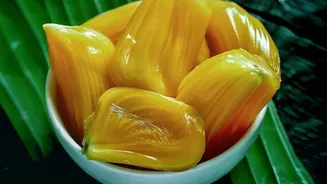
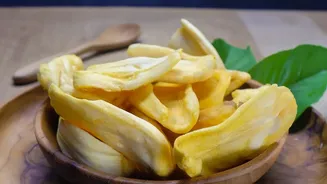
Unlike its sweet, aromatic ripe form, which has a flavour often compared to a mix of pineapple and banana, young jackfruit is a blank canvas. It doesn't impose its own flavour onto a dish; instead, it eagerly absorbs the spices, marinades, and sauces it's cooked with, making it an incredibly versatile ingredient for savoury cooking. Its primary appeal lies in a texture that is dense and stringy, which has earned it the nickname 'vegetable meat'.
A Perfect Stand-In for Pulled Meat
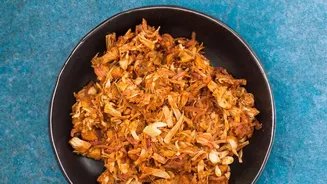
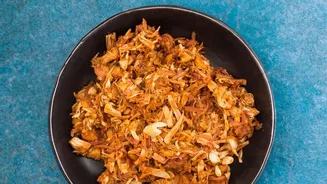
The structure of young jackfruit is the key to its popularity as a meat alternative. When cooked, its fibrous consistency can be easily shredded, closely mimicking the texture of pulled pork or chicken. This makes it a favourite in vegan and vegetarian communities for everything from tacos and sandwiches to hearty curries. The magic happens during the cooking process. As the jackfruit simmers in a flavourful liquid, the fibrous strands soften while maintaining their structure, avoiding the mushiness that plagues other cooked fruits. This ability to hold its shape and provide a satisfying, chewy bite is precisely why it works so well in recipes that traditionally call for slow-cooked meats.
The Star of a Parsi Kitchen
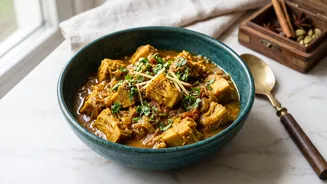
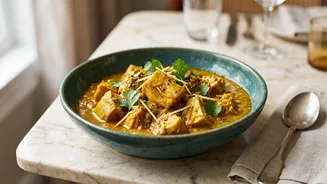
While jackfruit's use as a 'pulled pork' substitute is a relatively recent trend in the West, it has a long history in Indian cuisine, including in Parsi households. Parsi cuisine is renowned for its masterful blend of sweet, sour, and spicy notes, and a Parsi kathal curry is a perfect example. In this dish, chunks of young jackfruit are often pressure-cooked or boiled until tender before being introduced to a rich gravy. The masala is typically built from onions, ginger, garlic, tomatoes, and a signature blend of whole and ground spices. The neutral kathal acts like a sponge, soaking up the complex flavours of the curry, whether it includes tamarind for sourness, jaggery for a hint of sweetness, or a fiery kick from red chillies.
The Culinary Science at Work
The reason young jackfruit doesn't turn into a sugary, mushy mess in a savoury curry is simple science. In its unripe stage, the fruit has a lower sugar content and higher starch content. This firm, starchy structure allows it to withstand long cooking times without breaking down completely. The fibrous cells separate but don't dissolve, resulting in that desirable shredded texture. Preparing it often involves boiling or pressure cooking first, which tenderises the flesh and makes it ready to absorb the flavours of a marinade or gravy. Many recipes also call for marinating the jackfruit in yoghurt and spices before frying, a step that both tenderises and infuses flavour deep into the flesh before it even hits the main curry.
A Nutrient-Rich Powerhouse
Beyond its textural benefits, young jackfruit brings a solid nutritional profile to the table. It is a good source of dietary fibre, which aids digestion and promotes a feeling of fullness. It is also packed with essential vitamins and minerals, including vitamin C, potassium, and magnesium. While it is often used as a meat substitute for its texture, it's important to note that it is low in protein compared to actual meat or other plant-based proteins like legumes and tofu. However, its low-calorie and low-fat nature makes it a healthy addition to any meal, adding bulk and a satisfying bite without weighing the dish down.