

A Nationwide Shift in Nutrition
Across India, a significant dietary shift is underway. Consumers are increasingly moving away from traditionally carbohydrate-heavy meals and actively seeking out protein-rich options. This growing health and wellness consciousness is fueling a boom in the
demand for functional foods. Quick-commerce platforms have reported staggering increases in orders for protein-based products, with some seeing a 150% surge over the last two years. This trend is not just confined to metropolitan areas like Bengaluru; Tier II and III cities such as Nagpur, Jaipur, and Guwahati are showing even faster growth, indicating a nationwide awakening to the importance of protein in daily diets. This surge is particularly notable in a country where a significant portion of the population is estimated to be protein-deficient.
The Rise of Protein-Packed Dairy
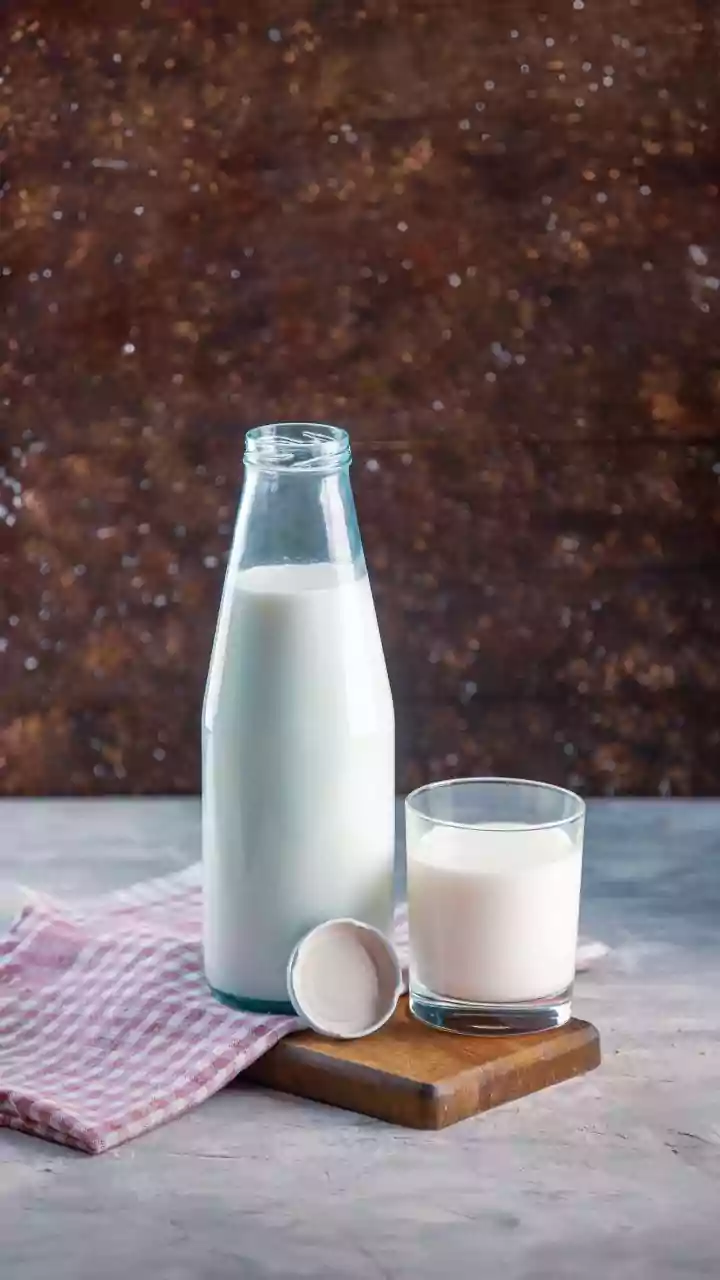
Dairy, a cornerstone of the Indian diet, has become a natural vehicle for this protein revolution. The high-protein dairy market in India was valued at approximately $1.5 billion in 2024 and continues to show strong growth projections. Products like Greek yogurt, which contains two to three times more protein than traditional dahi, have become especially popular. Sales of protein-enriched yogurt have soared by nearly 280% on some platforms, while protein-fortified milk and shakes have grown by over 225%. This indicates that consumers are not just buying these products as occasional health supplements, but integrating them into their daily consumption habits.
Startups and Giants Vying for Dominance
This burgeoning market has attracted both agile startups and established dairy giants. Brands like Epigamia were pioneers in popularizing Greek yogurt in India, targeting urban, fitness-conscious consumers. However, the real mainstream push is coming from legacy players. Dairy behemoths like Amul and Mother Dairy have launched their own lines of high-protein products, including fortified milk, protein lassi, Greek yogurt, and even high-protein paneer. Mother Dairy's 'Pro Milk', for instance, offers 30% more protein than regular milk at a competitive price point, aiming to democratize the market. Amul has leveraged its vast distribution network to take a leading share in the packaged yogurt segment, making high-protein options accessible beyond major cities. Other companies like Milky Mist and Parag Milk Foods are also investing heavily, with Milky Mist commissioning a new plant dedicated to producing Greek yogurt and Skyr.
More Than Just a Gym Fad
While the fitness community was an early adopter, the appeal of high-protein dairy has broadened significantly. The focus has shifted from protein as a post-workout supplement to a daily nutritional requirement for overall wellness. Marketers are now targeting families, young professionals, and anyone looking to lead a healthier lifestyle. The versatility of these products helps drive adoption; Greek yogurt is used in dips and marinades, protein milk is added to morning tea or coffee, and fortified paneer is used in everyday cooking. This integration into regular dietary patterns, rather than being treated as a specialized health product, is key to its mainstream acceptance.
The Future of Dairy in India
The trend shows no signs of slowing down. The overall Indian protein-based product market is projected to grow substantially, from around $4.58 billion in 2024 to over $16 billion by 2033. Within this, the milk protein market is also on a steady upward trajectory. As consumer awareness grows and large companies drive down costs, accessibility will continue to improve. We can expect to see further innovation, with protein being infused into an even wider array of traditional and modern dairy products. From fortified beverages to healthier desserts, the industry is reimagining the role of dairy in the Indian diet, ensuring that this nutritional powerhouse remains a central, and increasingly functional, part of the nation's plate.