



Ditch the Guilt, Not the Laddoo
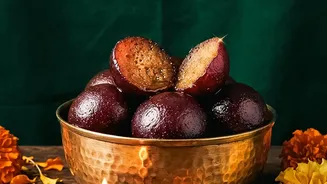
The most important shift for a healthier Diwali isn't in the kitchen, but in your mindset. Festive food is not a moral test. Guilt overeating often leads to a cycle of restriction and binging. Instead of labelling foods as 'good' or 'bad', practice mindful
enjoyment. Choose the one or two sweets you truly love, take a small portion, and savour every single bite. By eating slowly and without distraction, you give your brain time to register satisfaction, making you less likely to overindulge. Remember, the goal is not perfection; it's to participate in the joy of the festival. One meal or one sweet does not undo your health goals. Focus on the connection and celebration, not just the calories.
Smart Swaps for Homemade Sweets
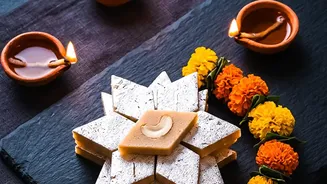
If you're preparing sweets at home, a few simple ingredient swaps can make a world of difference without sacrificing flavour. The most effective change is replacing refined white sugar. Natural sweeteners like jaggery, date palm jaggery ('nolen gur'), dates, figs ('anjeer'), and honey can be used instead. Jaggery not only adds a rich, caramel-like flavour but also contains iron and other minerals. Dates and figs provide natural sweetness along with fibre. You can also explore different flours. Instead of refined 'maida', try using whole wheat flour ('atta'), millet flours like ragi, or nut flours such as almond flour for laddoos and barfis. These alternatives are higher in fibre and nutrients. And don't be afraid of fat, as long as it's the right kind. Desi ghee, used in moderation, is a healthy fat that enhances flavour.
The Modern Mithai Box: Healthier Choices
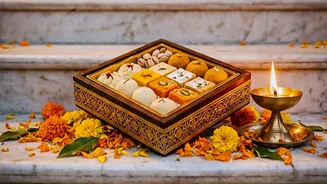
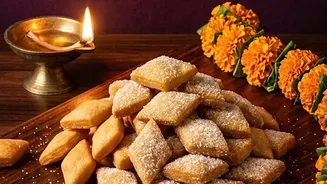
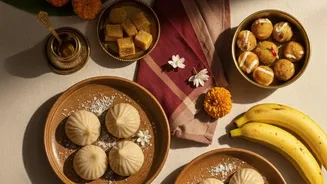
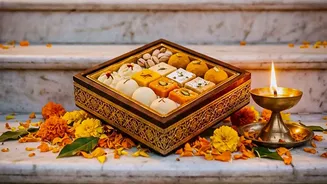
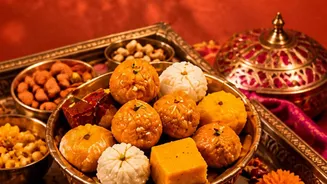
When you're choosing which sweets to make or buy, some options are naturally more balanced than others. Laddoos made from dates and nuts, for instance, are sweetened naturally and packed with protein and healthy fats. Anjeer Barfi or Fig and Nut Rolls are other excellent choices that skip refined sugar entirely. You can find recipes for laddoos made from sesame seeds ('til'), which are rich in iron and calcium, or high-protein Moong Dal Laddoos. For a lighter halwa, consider Gajar Halwa made with jaggery instead of sugar, or Ragi Halwa, which uses nutrient-dense finger millet. Even classics like Gujiya can be baked instead of deep-fried for a lighter touch.
Navigating Social Feasting
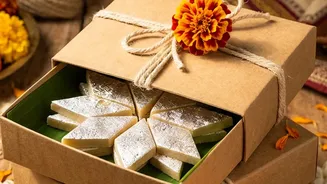
Diwali is a social festival, and it can be difficult to refuse food offered with love. You don't have to. The key is portion control. Take a small piece to honour the host's gesture. When building your plate at a party, a simple strategy can help: fill half your plate with salads or vegetables first, a quarter with protein like dal or paneer, and the final quarter with carbs. This ensures you get nutrients and feel full, leaving less room for mindless snacking. It's also wise not to arrive at a party feeling starved, which can lead to overeating. A small, protein-rich snack before you leave home can make a huge difference. And when gifting, consider offering a box of mixed nuts, seeds, or homemade, naturally sweetened sweets.