



Before You Start: The Pre-Monsoon Check
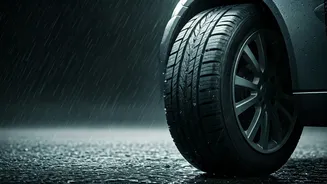
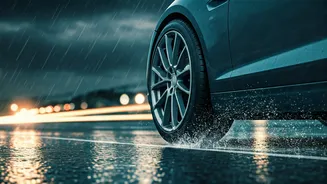
A safe journey begins before you even turn the key. Your vehicle is your first line of defence against treacherous monsoon conditions. First, inspect your tyres. The legal minimum tread depth is 1.6mm, but for wet roads, more is always better. Good tread helps
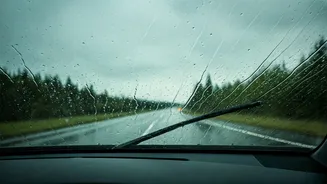
channel water away and prevents hydroplaning. Ensure they are inflated to the manufacturer's recommended pressure. Next, check your brakes. If they feel spongy or make unusual noises, get them inspected immediately. Your braking distance increases significantly on wet surfaces. Finally, don't neglect your wipers and lights. Replace worn-out wiper blades for a streak-free view and ensure all your lights—headlights, tail lights, brake lights, and indicators—are functioning perfectly. Good visibility is non-negotiable in a downpour.
On the Road: Adjust Your Driving Style
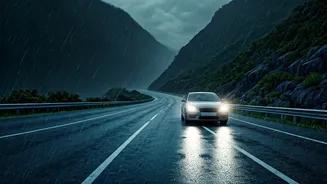
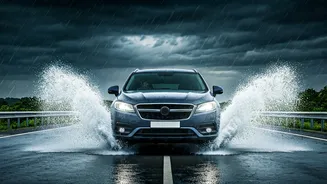
Monsoon driving demands a completely different mindset. The golden rule is to slow down. Reduce your speed by at least 30% compared to what you’d drive on a dry road. This gives you more time to react and reduces the risk of skidding. Increase the distance between your vehicle and the one ahead. The 'three-second rule' should become the 'six-second rule' to account for longer braking distances. Avoid sudden acceleration, braking, or sharp turns, as these can easily cause you to lose control. If you feel your car 'floating' or gliding, you might be hydroplaning. Don't panic or slam the brakes. Gently ease your foot off the accelerator and steer straight until you feel the tyres regain their grip on the road.
Beware the Hidden Dangers of Water
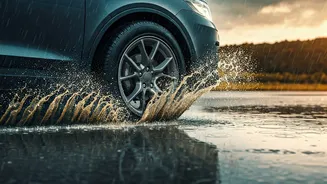
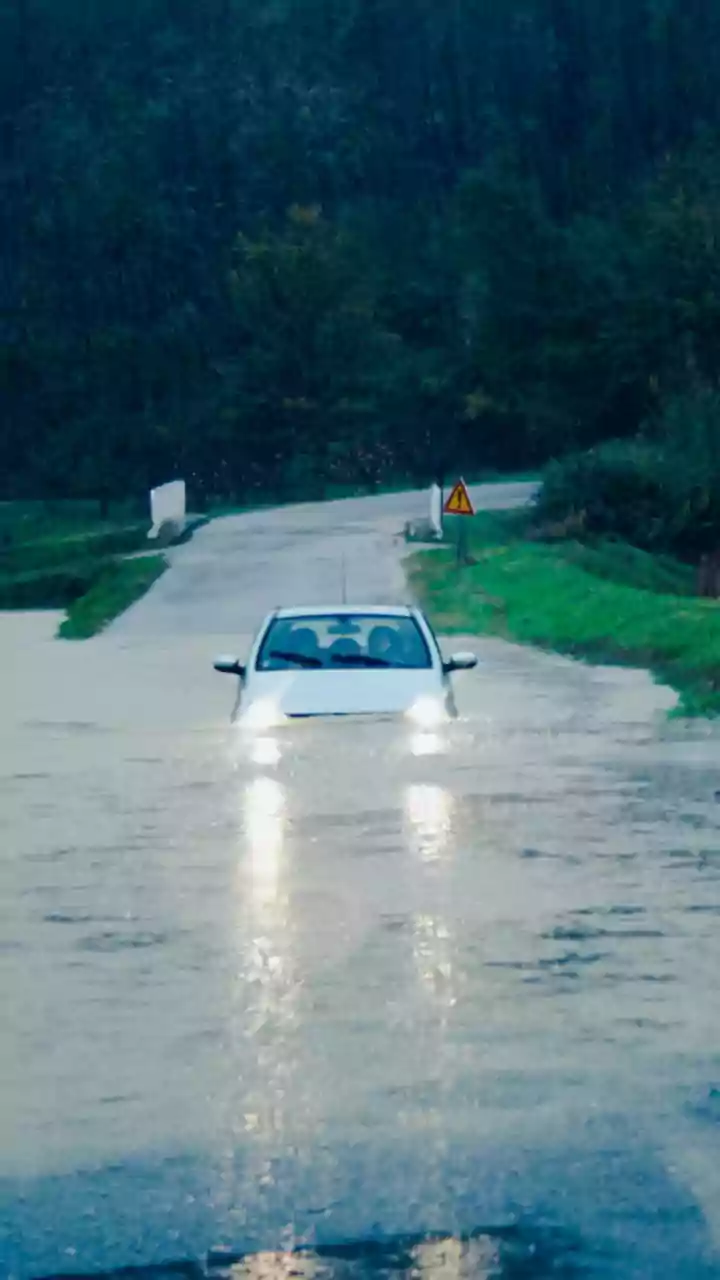
Rain-filled potholes are a notorious hazard on Indian roads. What looks like a shallow puddle could be a deep crater capable of damaging your tyres, suspension, or even causing you to lose control. It's best to drive around puddles if you can do so safely. If you must go through one, slow down as much as possible. A bigger threat is waterlogged streets. Never attempt to drive through deep, flowing water. It’s hard to judge the depth, and your vehicle could stall or even be swept away. If the water level reaches the bottom of your car doors, it's too deep. If you get stuck in a waterlogged area, do not try to restart the engine, as this can cause severe and expensive damage. It’s safer to abandon the vehicle and move to higher ground.
Visibility Is Your Greatest Ally
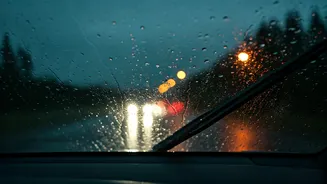
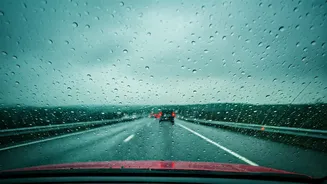
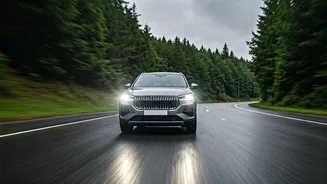
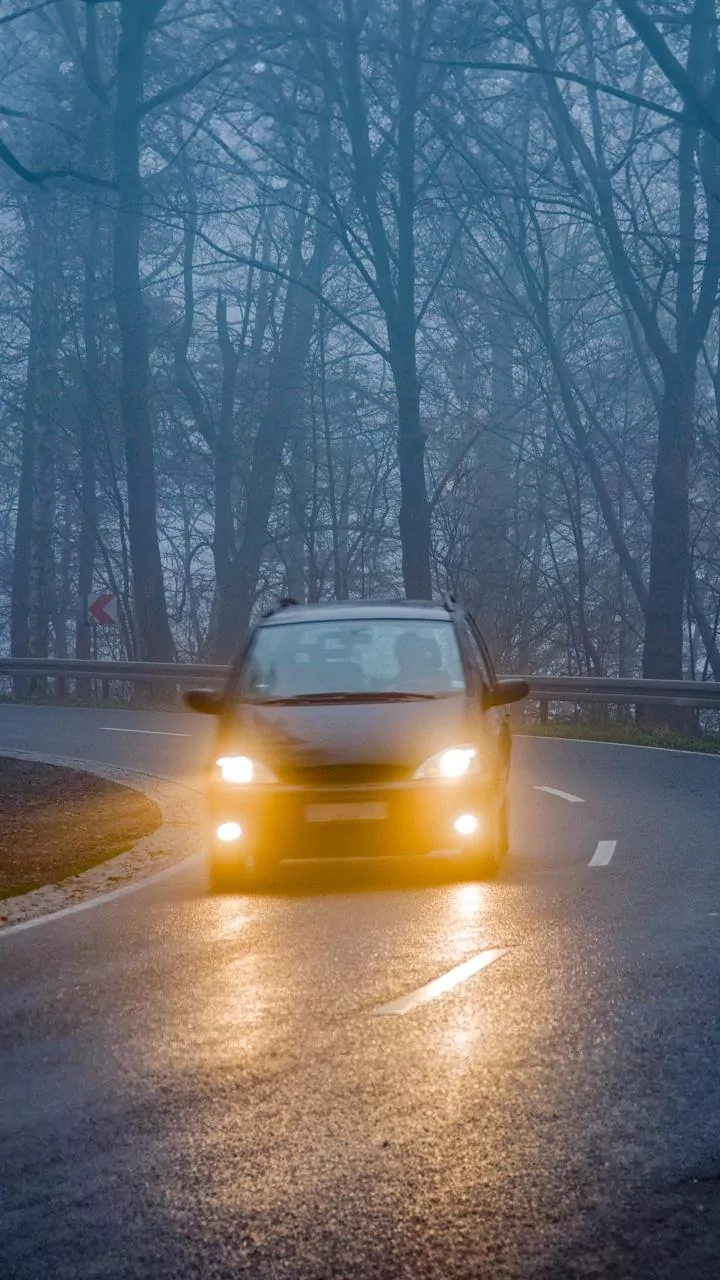
When it rains, seeing and being seen is critical. Turn on your headlights, even during the day. In heavy rain, using low-beam headlights helps other drivers spot you from a distance. Keep your windshield, windows, and mirrors clean, both inside and out. Use your car’s defogger to prevent the glass from fogging up due to humidity. Applying a rain-repellent coating to your windshield and windows can also dramatically improve visibility during a downpour. Avoid using high beams in heavy rain or fog, as the light will reflect off the water droplets and create glare, further reducing your own visibility and blinding oncoming drivers.
Special Precautions for Two-Wheeler Riders
Riding a motorcycle or scooter in the rain requires an even higher level of caution. You are more exposed to the elements and far more vulnerable in a skid or fall. Invest in high-quality waterproof gear and a helmet with a clear, fog-resistant visor. Be extremely wary of painted road markings, manhole covers, and oily patches, as they become incredibly slippery when wet. Brake gently, using both front and rear brakes simultaneously to maintain balance and avoid locking a wheel. Like car drivers, maintain a much larger following distance and reduce your speed significantly. Remember that your visibility is lower, and you are also less visible to other, larger vehicles. Ride defensively and assume that other drivers may not see you.