

The Grand Feast: Onam Sadya
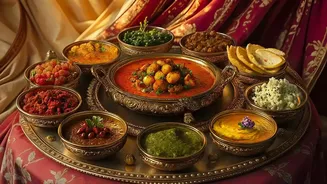
The Sadya is less a single dish and more a complete experience. This elaborate vegetarian banquet, traditionally served on a banana leaf, can feature over two dozen items. It’s a masterclass in balance, with small portions of everything from pickles and chips
to multiple curries like sambar and parippu, all centred around mounds of red rice. The Sadya reveals Kerala’s reverence for rice, its ability to create complex flavour profiles in vegetarian cooking, and the importance of communal feasts in its culture. Each item has a specific place on the leaf, creating a map of textures and tastes.
The Fermented Favourite: Appam and Stew
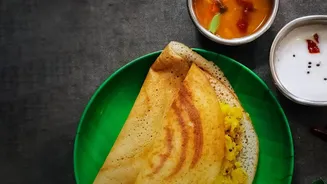
Soft, fluffy, and lace-edged, the Appam is a bowl-shaped pancake made from a fermented batter of rice and coconut. Unlike the dosas famous elsewhere in South India, Appam is pillowy and mild. It’s the perfect vessel for a fragrant stew, often made with chicken, mutton, or vegetables. The stew is gently spiced and creamy from coconut milk, highlighting a key principle of Kerala cooking: using coconut milk for richness instead of the dairy products common in North Indian cuisine. This dish showcases the art of fermentation and subtle, aromatic spice-layering.
The Steamed Staple: Puttu and Kadala Curry
A breakfast powerhouse, Puttu is a cylindrical steamed cake made from rice flour layered with grated coconut. Its unique shape comes from a special steamer, the ‘puttu kutti’. Paired with Kadala Curry, a robust and spicy black chickpea gravy, it’s a study in contrasts. The soft, slightly sweet Puttu perfectly complements the hearty, spiced curry. This combination highlights Kerala’s reliance on rice in many forms and the importance of protein-rich legume curries in its everyday diet.
The Backwater Star: Karimeen Pollichathu
This dish is a love letter to Kerala’s backwaters. Karimeen, or pearl spot fish, is marinated in a bold mix of spices like chilli, turmeric, and black pepper, then lightly fried. It's then smothered in a thick, onion-tomato masala, wrapped tightly in a banana leaf, and steamed or pan-grilled. The banana leaf seals in moisture and infuses the fish with a unique, earthy aroma. Karimeen Pollichathu tells the story of the state’s abundant seafood and its ingenious use of natural materials in the cooking process.
The Vegetable Medley: Avial
Avial is the quintessential Kerala mixed vegetable dish, a staple in any Sadya. It features a variety of seasonal vegetables like drumsticks, plantain, yam, and carrots, all cut into distinct batons. The vegetables are cooked in a thick sauce of ground coconut, green chillies, and cumin, and finished with a dash of sour curd and a drizzle of fragrant coconut oil. Avial is a perfect example of how the cuisine celebrates local produce and creates a harmonious dish from many different ingredients without letting any single flavour dominate.
The Aromatic Legend: Malabar Biryani
Kerala’s take on biryani is a world away from its more famous Hyderabadi or Lucknowi cousins. Malabar (or Thalassery) Biryani uses a unique, short-grain, aromatic rice called Jeerakasala or Kaima instead of basmati. The spice level is more fragrant than fiery, with a characteristic blend that often includes fennel seeds and curry leaves. The rice and meat are cooked separately before being layered and steamed in the ‘dum’ method. Garnished with fried onions, cashews, and raisins, it’s a nod to the historical Arab trade influence on the Malabar coast.
The Sweet Finale: Ada Pradhaman
No Kerala feast is complete without a payasam, or sweet pudding. Ada Pradhaman is one of the most beloved varieties. It’s made with 'ada' (bits of steamed rice-flour pasta), jaggery, and two different extracts of coconut milk to create layers of creamy texture and sweetness. Cardamom, ginger, and cashews add warmth and crunch. This dessert beautifully illustrates the use of coconut milk and jaggery (unrefined cane sugar) to create rich, complex sweets that are distinct from the milk-and-sugar-based desserts found elsewhere in India.