


Schedule Movement Breaks
One of the most effective strategies is also the simplest: intentionally schedule time to move. Sitting for prolonged periods can lead to a host of issues, including back pain, poor circulation, and even an increased risk of chronic diseases. To counteract
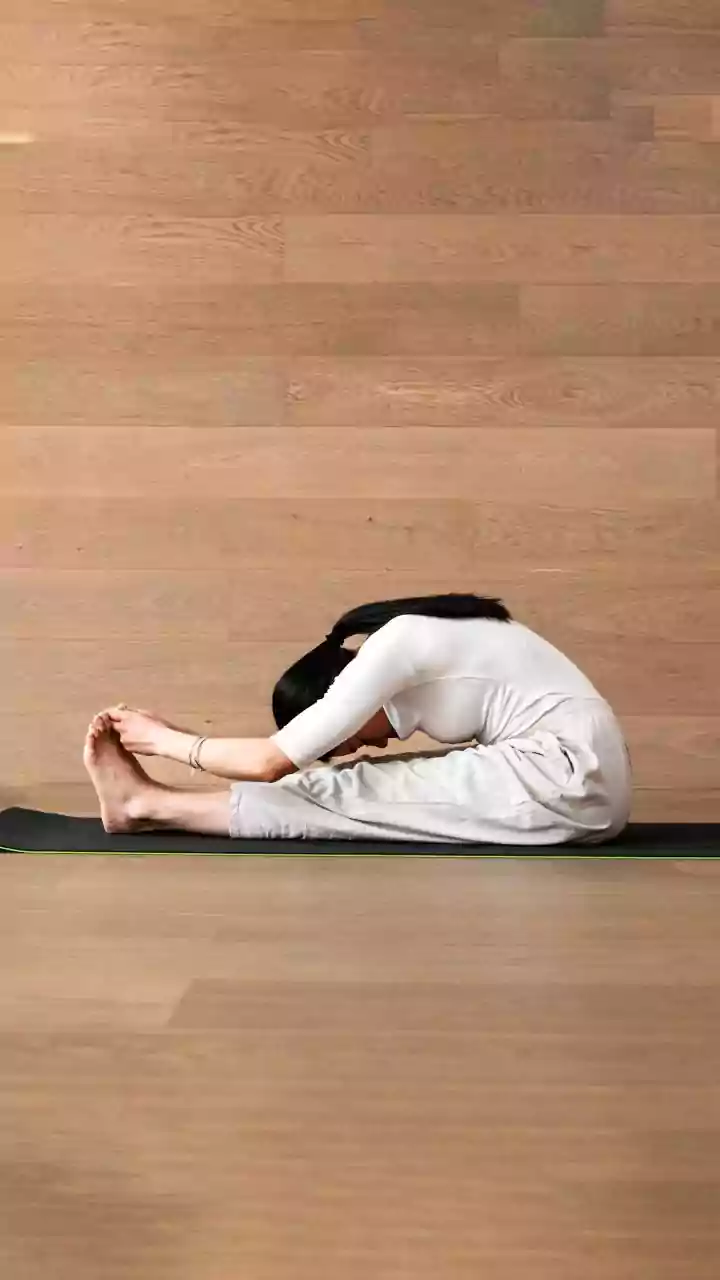
this, set a timer on your phone or computer to remind you to get up every 30 to 60 minutes. You don’t need to do a full workout; just a few minutes can make a difference. Walk to the farthest restroom, go for a quick lap around the office floor, or simply stand and stretch. The goal is to interrupt long periods of sitting and signal to your body that it’s time to move. This simple habit helps improve blood flow, reduces muscle stiffness, and can even boost your focus when you return to your chair.
Make Walking Your Default
Reframe how you approach communication and tasks at the office. Instead of sending an email or instant message to a colleague who sits a few rows away, make it a habit to walk over to their desk. Whenever possible, opt for the stairs instead of the elevator. If you commute by car, park a little further from the entrance to add a few extra steps to your day. These small bursts of activity accumulate and contribute significantly to your daily movement goal. This approach, sometimes called 'incidental exercise', seamlessly integrates more physical activity into your routine without requiring you to block out dedicated time for a workout. It turns everyday work necessities into opportunities for movement.
Turn Your Desk into a Mini-Gym
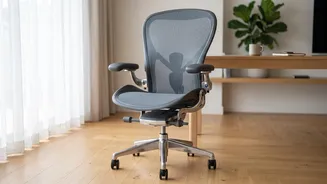
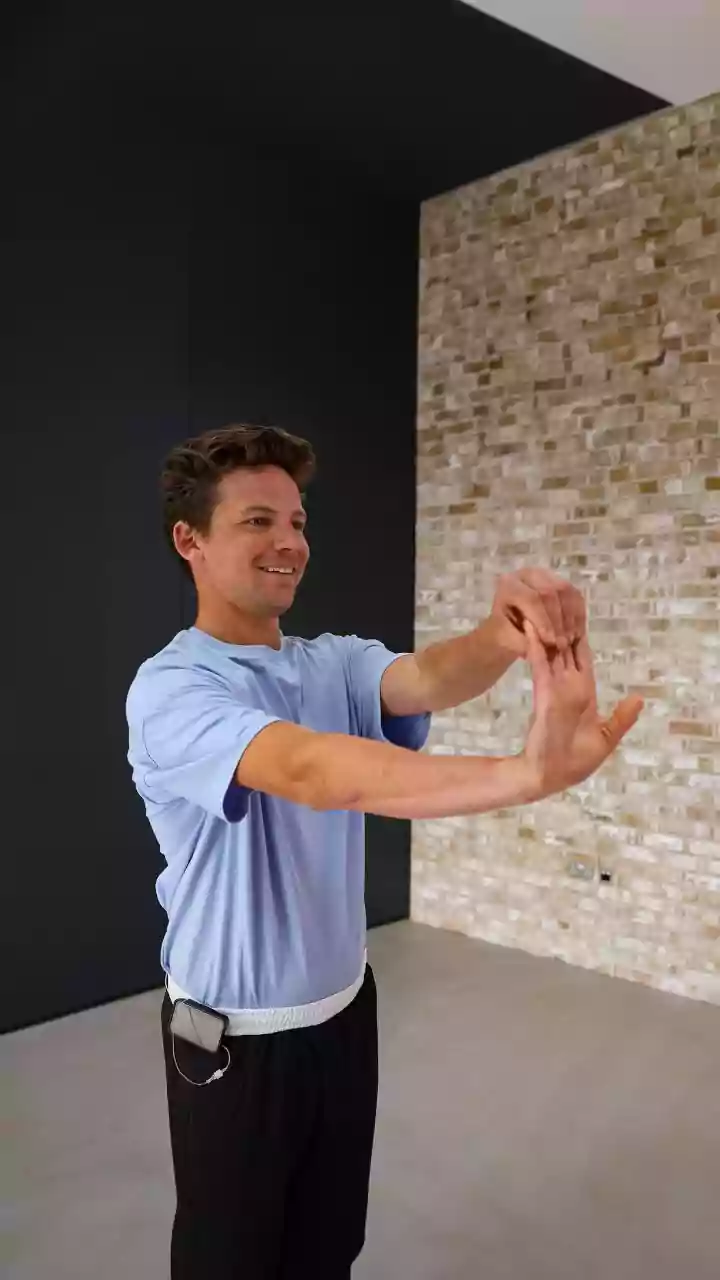
You don't need heavy equipment to build strength and flexibility during the workday. Your own desk and chair can serve as a personal fitness station for 'deskercises'. While seated, you can perform neck rolls and shoulder shrugs to release tension. Wrist and forearm stretches are particularly important for those who type all day. For a bit more intensity, use your chair for seated spinal twists or tricep dips. When you stand up for a break, try a few bodyweight squats to activate your glutes or calf raises to improve circulation in your lower legs. These micro-workouts target the muscles that become tight and weak from sitting, helping to improve posture and reduce discomfort.
Re_engineer Your Meetings
The traditional conference room isn't the only place to get business done. For smaller, more informal discussions, propose a 'walking meeting'. Pioneers like Steve Jobs were famous for this, and research supports the benefits. Studies have shown that walking can boost creativity and lead to more honest, collaborative conversations. Walking side-byside can feel less confrontational than sitting across a table, which is beneficial for brainstorming or sensitive topics. If a walking meeting isn't practical, simply standing during a phone call can make a difference. Using a headset allows you to pace around your office, turning a typically sedentary activity into a more active one.
Use Hydration to Your Advantage
This strategy serves two wellness goals at once. Keeping a water bottle on your desk is a great way to stay hydrated, which is crucial for energy and cognitive function. It also provides a natural, built-'in' reason to get up and move. Instead of using a large jug, opt for a smaller glass or bottle. This will require you to get up more frequently to refill it, forcing you to take short walking breaks throughout the day. These frequent trips to the water cooler or kitchen will not only help you reach your hydration goals but will also ensure you are regularly interrupting periods of sitting. It's a simple hack that uses one healthy habit to trigger another, creating a positive feedback loop for your overall well-'being' at work.