



Why Residue Is a Risk for Pets
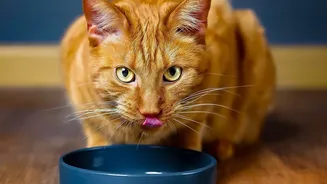
Unlike humans, pets have constant, direct contact with the floors and other surfaces in your home. They walk across a freshly mopped kitchen, then lick their paws. They nap on a recently cleaned carpet, potentially absorbing chemicals through their skin
or fur, which they later ingest while grooming. This unique behaviour makes them particularly vulnerable to any chemical residues left behind after cleaning. Even products that are safe once dry can be toxic when wet. Ingredients like bleach, ammonia, and phenols—common in many powerful disinfectants—can cause everything from skin irritation to severe internal burns if ingested.
Your First Stop: The Product Label
The most important tool you have is the product’s label, but you need to know what to look for. Go beyond the brand name and marketing claims. First, search for specific instructions regarding pets. Phrases like, “Keep pets and children away from area until dry,” are a clear directive. If the product requires this, you know that the wet residue is hazardous. Second, look for explicit rinsing instructions. The label for bleach solutions, for example, often recommends a final rinse with water after disinfection. If the manufacturer advises rinsing, it's a non-negotiable step for pet safety. Finally, check for warning words. “Caution,” “Warning,” and “Danger” indicate escalating levels of potential harm and should prompt you to be extra vigilant.
Key Ingredients That Signal a Rinse Is Needed
Certain chemicals are red flags for pet safety and almost always necessitate a thorough rinse or choosing another product entirely. Be wary of cleaners containing phenols, which are often found in disinfectants with “kills 99.9% of germs” claims; these are especially toxic to cats. Other ingredients to watch for include ammonia (ammonium hydroxide), chlorine bleach (sodium hypochlorite), and quaternary ammonium compounds (benzalkonium chloride). If you see these on an ingredient list for a floor or surface cleaner, your safest bet is to perform a final rinse with plain water to remove any lingering traces before allowing your pet back into the area.
The Truth About 'Pet-Safe' and 'Natural' Labels
Terms like “pet-friendly,” “pet-safe,” and “natural” on cleaning products can be reassuring, but they are often marketing terms with no regulated definition. A product labeled as “natural” might still contain essential oils that are toxic to pets, for instance. While many eco-friendly and pet-focused brands are genuinely safer, it is never a substitute for reading the full ingredient list and following directions. A truly pet-safe cleaner is one that is effective without leaving behind harmful residues. Even with these products, always store them securely and follow the usage directions precisely, as improper dilution can sometimes turn a safe product into a hazardous one.
The Golden Rules for Pet-Safe Cleaning
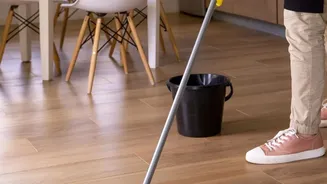
When you're trying to balance cleanliness and safety, a few simple rules can guide you. First, when in doubt, rinse it out. If a floor feels sticky or has a strong chemical smell after drying, it likely has residue that could harm your pet. A quick mop with plain water can make all the difference. Second, ensure adequate ventilation. Open windows during and after cleaning to help dissipate fumes that can irritate your pet’s sensitive respiratory system. Finally, always keep pets out of the room while you are actively cleaning and don't let them back in until all surfaces are completely dry, as recommended by the CDC and other pet health experts.