






The Science of Feeling Full
Fibre is the unsung hero of the food world. It’s a type of carbohydrate that your body can't digest, which is actually a very good thing. There are two main types, and both play a crucial role in keeping you satisfied. Soluble fibre, found in oats, dals,
and apples, dissolves in water to form a gel-like substance in your stomach. This gel slows down digestion, making you feel full for a much longer period. It also helps stabilise blood sugar levels, preventing the sharp spikes and crashes that trigger cravings for quick-energy snacks. Insoluble fibre, found in whole grains like atta and vegetables like gobhi and beans, adds bulk to your stool. While its main job is to keep your digestive system regular, this bulk also contributes to the physical sensation of fullness. When your plate is rich in both types of fibre, you're essentially sending a powerful, long-lasting signal to your brain that says, “We’re good here, no need for those chips.”
The Empty Snack Trap
Now, let’s consider the usual suspects: a packet of chips, a couple of biscuits, or a sugary drink. These are often called 'empty calories' for a reason. They are typically low in fibre, protein, and essential nutrients but high in refined carbohydrates, sugar, and unhealthy fats. When you eat them, your blood sugar shoots up, giving you a fleeting burst of energy and satisfaction. But just as quickly, it crashes back down, leaving you feeling tired, hungry, and often craving even more snacks. It’s a vicious cycle that leaves you feeling unsatisfied and can contribute to weight gain and energy slumps over time. A high-fibre meal disrupts this cycle by providing slow-release, sustained energy, keeping you on an even keel throughout the afternoon.
Your Fibre-Rich Indian Food Guide
The best part is that a high-fibre diet isn't foreign or complicated. It's already at the heart of traditional Indian cuisine. You just need to be intentional about putting these items on your plate.
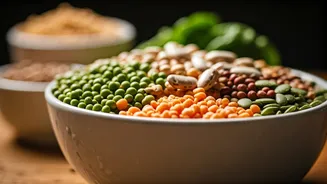
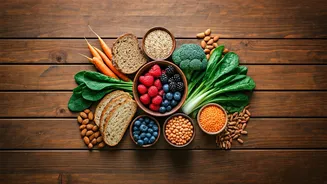
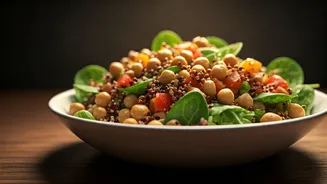
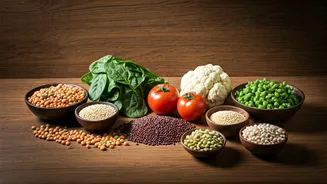
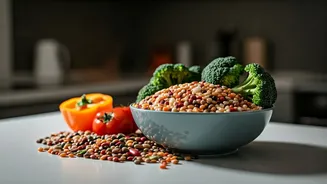
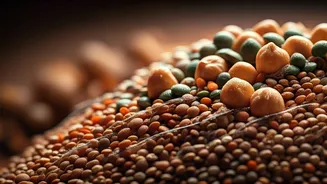
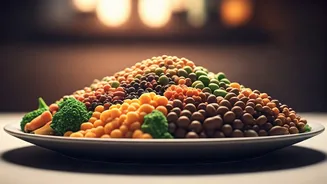
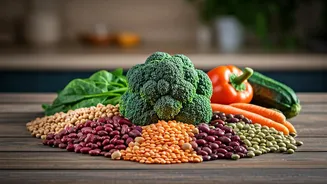
**Legumes:** A katori of dal, chana, or rajma with every meal is a fibre powerhouse. They are packed with both soluble fibre and protein, a winning combination for satiety.
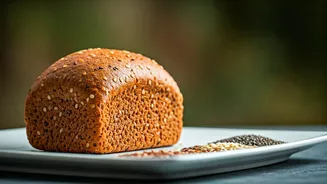
**Whole Grains:** Choose whole wheat atta for your rotis. Incorporate millets like jowar, bajra, and ragi. Swap white rice for brown rice or quinoa, even if just for one meal a day.
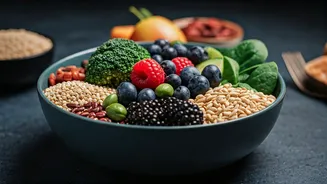
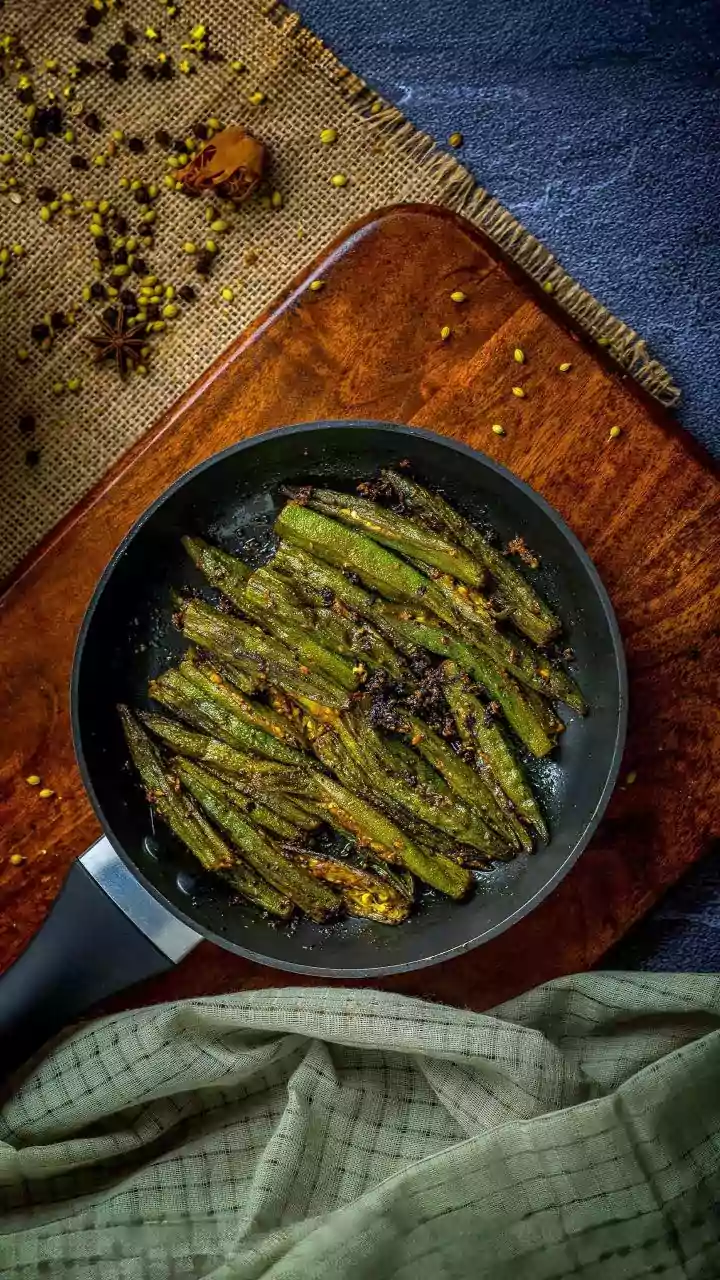
**Vegetables:** Make sabzi the star of your plate. Leafy greens like palak and methi, as well as cruciferous vegetables like broccoli, cabbage, and cauliflower, are excellent sources. Don’t forget staples like carrots, peas, and beans.
**Fruits:** Instead of reaching for a packaged snack, grab a whole fruit. Apples, guavas, pears, oranges, and bananas are not only full of fibre but also vitamins and antioxidants. Remember, fruit juice is not a substitute, as it strips out the beneficial fibre.
Simple Swaps for Big Wins
You don't need to overhaul your entire diet overnight. Small, consistent changes can make a massive difference in curbing those snacking urges.
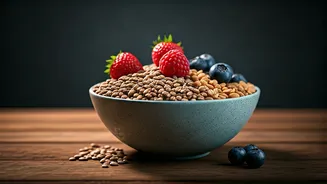
* **Breakfast Boost:** Start your day with a bowl of oatmeal (daliya) or poha loaded with vegetables instead of a plain paratha or toast.
* **Upgrade Your Grains:** If you eat rice daily, try a 50/50 mix of white and brown rice to start, or incorporate millet rotis a few times a week.
* **Add a Salad:** Include a simple kachumber salad (cucumber, tomato, onion) with your lunch and dinner. The raw veggies add a fantastic crunch and a dose of fibre.
* **Snack Smarter:** If you absolutely must snack, choose a handful of roasted chana, a piece of fruit, or a small bowl of yoghurt instead of namkeen or biscuits.
* **Hydrate Well:** Fibre needs water to do its job properly. Make sure you're drinking enough water throughout the day to help it form that satisfying gel in your stomach and move smoothly through your system.