



A Leap of Faith
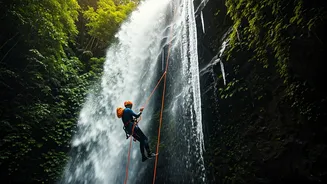
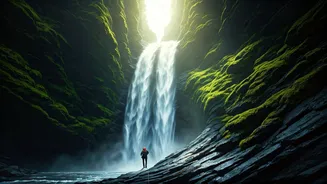
This is the moment of truth in waterfall rappelling. It’s a sport that asks you to do something your brain screams is a terrible idea: willingly descend a cliff face directly through a gushing waterfall. Unlike regular rappelling, where your primary obstacles
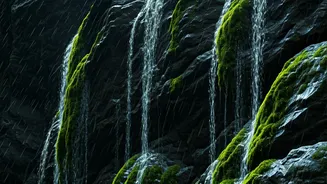
are rock and gravity, here you contend with a third, powerful element: water. It’s a multisensory assault—the thunderous sound, the constant, percussive force of the water on your helmet, and the disorienting feeling of moving through a vertical river. This isn’t just climbing down; it’s an aquatic ballet where you are both the dancer and the stage is trying to wash you away.
The Art of the Descent
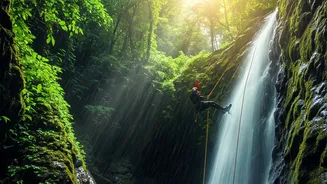
Also known as canyoneering, waterfall rappelling uses standard climbing equipment like harnesses, helmets, and descenders, but the technique is adapted for the unique environment. The first step is always the most terrifying. You have to lean back, perpendicular to the rock face, and put all your weight onto the harness and the rope. Your instructor’s voice, hopefully still audible over the deluge, guides you. 'Keep your legs wide! Walk down the wall!' It sounds simple, but your feet slip on the moss-covered rocks, and the water pressure pushes against your body, threatening to spin you around. It’s a battle for control that demands absolute focus.
Inside the Liquid Avalanche
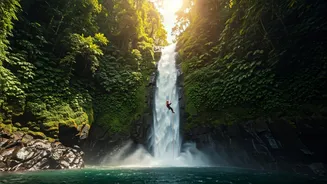
Once you surrender to the initial fear, something magical happens. The adrenaline surge sharpens your senses. You are no longer fighting the waterfall; you are moving with it. You control your speed by feeding the rope through your descender, taking small, deliberate steps backwards down the cliff. Light refracts through the cascade, creating a shimmering, distorted view of the world. For a few minutes, you are in a different dimension, a hidden chamber of pure energy. The fear doesn't vanish entirely, but it transforms into a thrilling, focused excitement. Every muscle is engaged, and your mind is completely in the present moment. There’s no room to think about work, deadlines, or daily worries—only the rope, the rock, and the roar.
Safety First, Always
As exhilarating as it sounds, this is not a DIY activity. The risks are real, from equipment failure to flash floods. Choosing a reputable, certified operator is non-negotiable. A professional guide will not only provide high-quality, well-maintained gear (helmets, static ropes, harnesses, gloves) but also conduct a thorough safety briefing. They assess the weather and water levels, know the rock face intimately, and manage the belay line—a secondary safety rope that can hold you if you lose control. Never attempt waterfall rappelling with inexperienced operators or without proper safety protocols. Your life is literally on the line.
Where to Take the Plunge in India
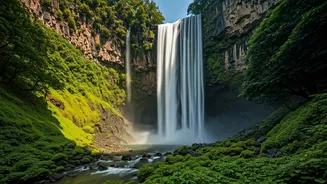
India’s diverse geography, especially during the monsoon, offers spectacular locations for this sport. The Western Ghats in Maharashtra become a hotspot, with numerous waterfalls near Lonavala, Kolad, and Bhivpuri. In the north, Rishikesh in Uttarakhand offers thrilling descents with the Himalayan foothills as a backdrop. For those in the south, Goa and Coorg also have spots where operators set up seasonal rappelling experiences. Each location offers a different flavour—from the lush, rain-drenched cliffs of the Sahyadris to the rugged canyons near the Ganges. The season is key, with most waterfall rappelling activities available during and just after the monsoon (typically June to October).