



An Ambition Measured in Thousands of Planes
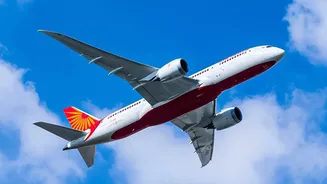
India's aviation market is one of the fastest-growing in the world, with passenger demand soaring. To meet this, Indian carriers have placed historic orders for new aircraft. Airlines like IndiGo, Air India, and Akasa Air collectively have over 1,200
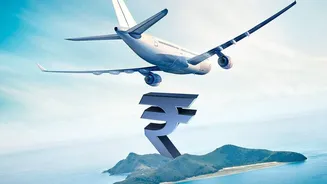
planes on order from global manufacturers Airbus and Boeing. However, according to Minister Goyal, this is not nearly enough. He stated that India's total requirement is over 2,000 aircraft, and the country is preparing to order another 1,000 planes to bridge the gap. This staggering number reflects a long-term strategy to expand domestic and international connectivity, driven by a growing middle class and government initiatives to connect smaller cities. The projected annual growth of India's commercial fleet is pegged at 7.1% through 2036, placing it among the world's most dynamic aviation markets.
The Global Aircraft Bottleneck
The primary obstacle to India's expansion plans is not a lack of ambition but a global supply chain crisis. Aircraft manufacturers Boeing and Airbus are facing immense backlogs, with a queue of over 17,000 aircraft orders from airlines worldwide. This production strain is compounded by shortages of critical components, particularly engines. Issues like the Pratt & Whitney engine problem have grounded hundreds of aircraft globally for inspections and repairs, creating a ripple effect. Turnaround times for engine overhauls have reportedly tripled, leaving newly built planes parked without engines and forcing airlines to keep older, less fuel-efficient aircraft in service for longer. This global gridlock means that even with firm orders, Indian airlines face long waits, with some delivery schedules stretching as far as 2034.
Airlines Feel the Pressure
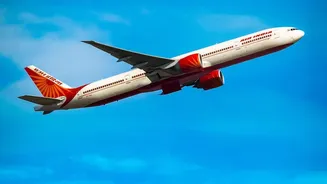
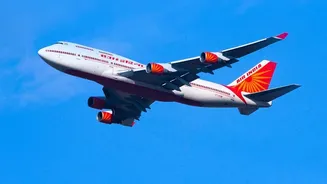
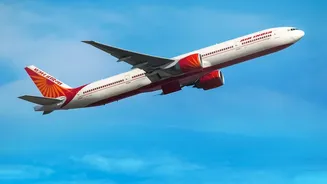
For Indian carriers, the aircraft shortage is an immediate operational challenge. It's described as an 'acute' shortage that hampers their ability to expand routes and increase flight frequencies in line with booming demand. Air India, as part of its massive transformation, plans to induct a new aircraft roughly every six or seven days in 2026, a pace that depends entirely on manufacturers' ability to deliver. IndiGo has nearly 1,000 aircraft pending delivery, while Air India's orders top 600 and Akasa Air's stand at over 200. The inability to get new planes on time forces airlines to rely on older, leased aircraft, which increases maintenance and operating costs. This capacity constraint can also lead to higher fares for passengers, as the supply of seats struggles to keep up with demand.
Government Pursues Faster Deliveries
Recognising that aircraft availability is the central constraint, the Indian government is taking a proactive stance. Minister Goyal has confirmed that the government is actively pursuing established manufacturers to expedite their delivery schedules. The dialogue is not just about placing new orders but about ensuring the existing and future orders arrive faster. The government's push highlights the strategic importance of the aviation sector for economic growth and international connectivity. As Goyal noted during a visit to Egypt, more aircraft would directly enable Indian carriers to launch more international flights, strengthening trade and tourism ties. This diplomatic and commercial pressure is a key part of the strategy to navigate the supply-side crunch and ensure the sector's growth trajectory is not permanently stalled.