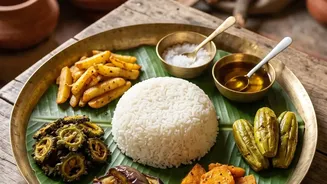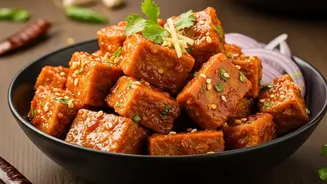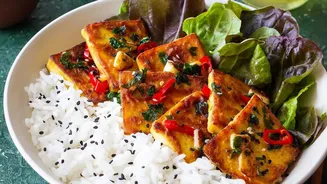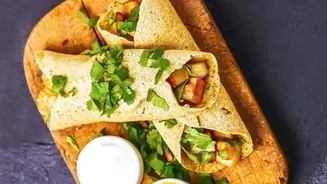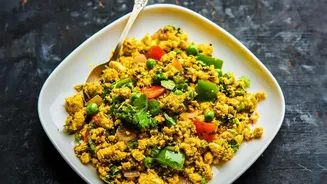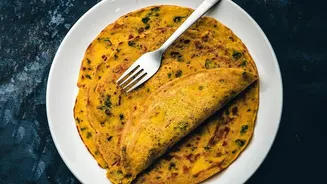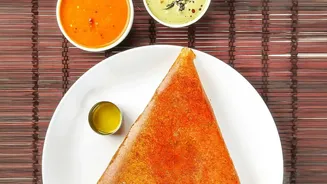



The world of dosas is vast and delicious, but a Rajgira Paneer Dosa offers something special. It shifts the focus from simple crispiness to a complex textural journey, combining a brittle, earthy crepe with a soft, savoury paneer filling.
The Royal Grain: What is Rajgira?
Rajgira, also
known as amaranth or 'the king of grains', is a nutrient-dense pseudocereal that has been a staple in Indian kitchens for centuries, especially during periods of fasting (vrat). Naturally gluten-free, rajgira is celebrated for its impressive health profile; it is a powerhouse of high-quality plant-based protein, dietary fibre, and essential minerals like calcium, iron, and magnesium. Unlike wheat and rice, it boasts a more complete amino acid profile, making it a valuable addition to any diet, not just for those with gluten sensitivities. Its flour has a distinctively nutty and earthy flavour that lends a unique character to dishes, moving beyond the familiar tastes of traditional grains.
The Crispy Conundrum
Achieving a paper-thin, crispy dosa using a gluten-free flour like rajgira can be challenging. Gluten provides the structure and elasticity that makes traditional dosas easy to spread and flip. Without it, the batter can be brittle. The secret often lies in the batter's consistency and the cooking technique. For an instant rajgira dosa, the batter should be thin—almost watery—so it can be poured onto the hot pan rather than spread. This technique, similar to making a Rava Dosa, creates a lacy, porous texture that crisps up beautifully. Some recipes recommend combining rajgira with other flours like little millet (sama) or adding yogurt or buttermilk to the batter, which can help with texture and fermentation, contributing to a crispier outcome. Patience is key; the dosa must be cooked on a medium-hot, well-oiled pan until the edges brown and lift on their own.
A Perfect Paneer Partnership
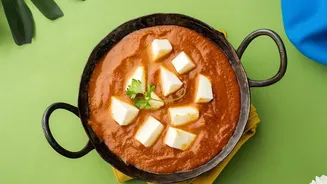
The filling is just as crucial as the crepe itself. For a Rajgira Dosa, the ideal paneer filling is moist but not wet, as excess moisture can make the delicate dosa soggy. The paneer should be crumbled or grated and lightly sautéed with aromatics like cumin, green chillies, and ginger. Onions and tomatoes can be added, but they should be cooked down to ensure they don't release too much water into the final filling. Seasoning is paramount; since paneer is mild, the filling needs to be flavourful enough to stand up to the earthy rajgira. A touch of garam masala, coriander powder, and fresh coriander leaves elevates the mixture, creating a soft, savoury counterpoint to the dosa's crispy shell. For fasting versions, rock salt (sendha namak) is used, and ingredients like onions and garlic are typically omitted.
Tips for a Flawless Dosa
Mastering the Rajgira Paneer Dosa at home is achievable with a few key tips. First, always use a well-seasoned cast iron tawa or a good quality nonstick pan heated properly. Sprinkle water on the surface; if it sizzles and evaporates immediately, the pan is ready. When making an instant, thin batter dosa, pour the batter from the outside in, creating a circular, lacy pattern. Do not try to spread it with the ladle. Drizzle oil or ghee around the edges only after the batter has had a moment to set. This helps it crisp up and prevents it from sticking. Finally, be patient. Let the dosa cook on medium heat until it's golden brown and the edges begin to curl up before you attempt to fold or roll it around the paneer filling.