
Beyond the 'Hidden Gem' Trope
There's a growing excitement around regional Indian food, and for good reason. For too long, the narrative of "Indian food" outside India—and often, even within—was dominated by a narrow selection of North Indian dishes. Now, thanks to social media and a new
generation of confident chefs, dishes from Nagaland to Kerala are entering the mainstream conversation. However, this boom comes with a significant challenge: accuracy. When a food trend goes viral, its original context can get lost. A complex dish with a rich history may be simplified or altered to fit a photogenic aesthetic, losing its authentic character in the process. This isn't about rigid gatekeeping of recipes; cuisines naturally evolve. The problem arises when the version that becomes popular is a misrepresentation, presented without acknowledging its roots. Getting the story right is as important as getting the spices right.
Giving Credit Where It's Due
Hand-in-hand with accuracy is the crucial issue of attribution. A recipe is more than a list of ingredients; it's a story of a place, a community, and generations of knowledge. When a food blogger or a restaurant presents a regional dish without crediting its origins, they are erasing that story. Legally, a list of ingredients can't be copyrighted, but ethically, taking inspiration from a source without acknowledgement is poor form. Proper attribution does more than just give credit; it enriches the experience for the consumer. Knowing that a dish comes from a specific community in West Bengal or is a festival specialty from Tamil Nadu adds a layer of cultural appreciation. It encourages a deeper connection with the food and fosters respect for the traditions that created it. Without attribution, a regional treasure risks becoming just another fleeting, decontextualized trend.
From Museum Piece to Daily Meal
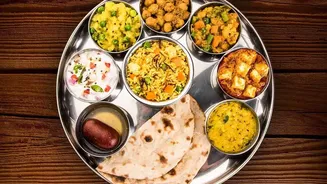
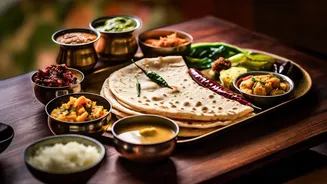
Perhaps the most subtle danger in the current trend cycle is turning regional food into a museum piece—something to be admired from a distance but not integrated into daily life. When dishes are framed as overly complex, exotic, or only for special occasions, it creates a barrier. It suggests that this food is not for the everyday person, but for the adventurous foodie. This couldn't be further from the truth. The vast majority of regional cuisine is home-style cooking, designed for daily nourishment and enjoyment. While chefs are doing incredible work elevating these dishes in fine-dining settings, it's vital to remember their humble, accessible roots. The goal should be to make regional cuisine a consistent, respected part of the national culinary conversation, not just a temporary spectacle. As chef Kunal Kapur notes, there is a welcome trend of returning to food 'the way it was' and emphasizing its regional identity.
The Way Forward for Food Lovers
So, how can we—as creators and consumers—do better? For content creators, the path involves more thoughtful research. Instead of just chasing the next viral dish, take the time to understand its background. Talk to home cooks, cite your sources of inspiration, and tell the full story. Explain why certain ingredients are used or what a particular technique achieves. For consumers, it means approaching new foods with curiosity. Ask questions at restaurants. Follow creators who prioritize cultural context. Support businesses that source ingredients responsibly and celebrate the stories behind their menus. The goal isn't to become an academic expert on every dish but to foster an environment of respectful curiosity. By moving beyond passive consumption, we can all play a part in preserving and celebrating the incredible diversity of India's culinary heritage in a meaningful way.