


Why Your Breakfast Needs a Protein Punch
Starting your day with a protein-rich meal is one of the best things you can do for your body. Protein is essential for building and repairing tissues, but its benefits go far beyond that. A high-protein breakfast helps increase satiety, meaning you feel
fuller for longer, which can prevent mid-morning cravings for unhealthy snacks. It also helps stabilise blood sugar levels, providing a steady release of energy rather than a quick spike and crash. For vegetarians, in particular, finding diverse sources of protein is key. While traditional dosa and chilla batters, made from lentils and grains, do contain some protein, fortifying them with seed powders is an effortless way to make your first meal of the day a true nutritional powerhouse.
The Nutritional Stars: Which Seeds to Use
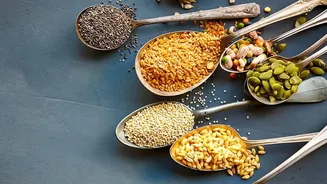
Not all seeds are created equal, but many are packed with protein, healthy fats, and fibre. A blend is often best to get a wide range of nutrients. Here are some of the top contenders for your powder mix:
- Pumpkin Seeds: A true protein leader, pumpkin seeds are also rich in magnesium and zinc, which are vital for immunity and energy.
- Hemp Seeds: Considered a complete protein, hemp seeds contain all nine essential amino acids. They have a mild, nutty flavour that blends well into batters.
- Sunflower Seeds: An excellent source of Vitamin E, a powerful antioxidant, sunflower seeds also contribute a good amount of protein.
- Flax Seeds: Famous for their high content of omega-3 fatty acids and fibre, flax seeds are a heart-healthy addition. They must be ground to unlock their benefits.
- Chia Seeds: These tiny seeds are packed with fibre, calcium, and omega-3s. They absorb liquid and can help create a soft texture.
How to Make Your Homemade Seed Powder
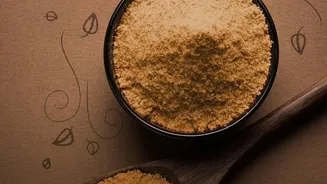
Creating your seed mix is incredibly simple. You can use a single seed or create a more nutritionally diverse blend. A good starting ratio is equal parts of three to four different seeds, such as pumpkin, sunflower, flax, and hemp.
First, lightly dry-roast the seeds (except for chia) in a pan on low heat for a few minutes until they are fragrant. This enhances their flavour and reduces moisture. Be careful not to burn them, as this can damage the healthy fats. Let the seeds cool down completely. Once cool, transfer them to a dry grinder or a coffee grinder. Use short pulses to grind them into a fine powder. Over-grinding can turn the seeds into a paste or butter due to their high oil content. For best results, make small batches that will last you a week or two and store the powder in an airtight container in the refrigerator. This prevents the healthy oils from going rancid.
The Art of Mixing: Adding Powder to Batters
Incorporating your seed powder into chilla and dosa batters is straightforward, but there are a few tips for getting it right. For a standard bowl of batter that makes about 4-5 dosas or chillas, start by adding one to two tablespoons of the seed powder.
For chilla batter, which is typically made fresh with besan (gram flour) or moong dal, you can whisk the powder in along with the flour, spices, and water. The powder integrates seamlessly.
For fermented dosa batter, it is best to add the seed powder just before you are ready to cook. Stirring it in earlier might interfere with the fermentation process. The powder will likely thicken the batter slightly, so you may need to add a splash of water to achieve the desired pouring consistency. Mix well to ensure there are no lumps, and then proceed to make your dosas as you normally would. The powder adds a subtle, nutty flavour that complements the savoury taste of both dishes.
More Than Just Protein
While the protein boost is a significant advantage, seed powders offer a wealth of other health benefits. The added fibre from seeds like flax and chia aids digestion and contributes to gut health. The healthy unsaturated fats, particularly omega-3s, are known to reduce inflammation and support cardiovascular health. Furthermore, these seeds are concentrated sources of essential minerals like magnesium, zinc, iron, and calcium, which are often lacking in modern diets. By adding just a spoonful of this powder, you are not just increasing protein but enriching your meal with a broad spectrum of micronutrients, making your breakfast more balanced and wholesome.