






Skipping Sunscreen on Cloudy Days
One of the most common errors is thinking that cloudy skies mean you can skip sunscreen. However, up to 80% of the sun's harmful UV rays can penetrate through clouds, causing skin damage and inflammation that can worsen acne. Sun damage can also compromise
your skin's protective barrier, making it more susceptible to breakouts. To protect your skin, you should apply a broad-spectrum sunscreen with at least SPF 30 every single morning, even if it's pouring rain. Look for lightweight, oil-free, or non-comedogenic formulas that won't clog your pores.
Over-Washing Your Face
When your skin feels greasy and sticky from the humidity, the first instinct is often to wash your face repeatedly. While cleansing is crucial, over-washing can be counterproductive. Using harsh cleansers or scrubbing too frequently can strip your skin of its natural oils. This damages the skin's protective barrier, leading to irritation and, in some cases, causing your glands to produce even more oil to compensate, which can lead to more breakouts. Dermatologists recommend sticking to a gentle, pH-balanced cleanser and washing your face no more than twice a day.
Thinking Moisturiser Isn't Necessary
It's easy to assume that in a humid environment, your skin doesn't need extra hydration. This is a myth. Humidity and surface-level sweat are not the same as skin hydration. Skipping moisturiser can actually make oily skin worse. When your skin becomes dehydrated, it can overcompensate by producing more sebum, leading to clogged pores. The key is to switch to a lightweight, water-based, or gel-based moisturiser that is labelled 'non-comedogenic', meaning it won't block pores. This will help keep your skin's moisture barrier balanced and healthy without a greasy feel.
Using Heavy Creams and Makeup
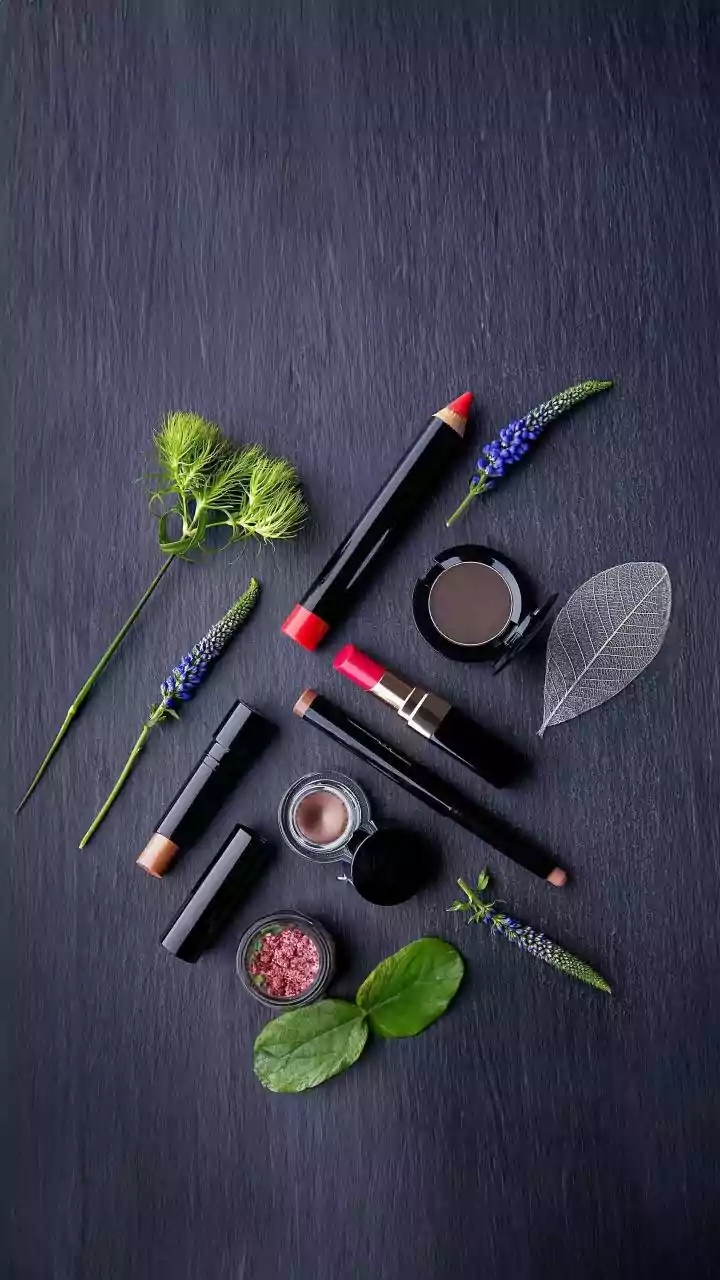
The monsoon is the time to go light with your products. Heavy creams, thick lotions, and oil-based makeup can feel suffocating on the skin in high humidity. These products can easily mix with sweat and environmental pollutants, trapping dirt and bacteria, which is a direct recipe for clogged pores and acne. Opt for lightweight serums and gel-based products for your skincare. If you wear makeup, choose non-comedogenic formulas and consider lighter options. And most importantly, never sleep with makeup on; always cleanse thoroughly before bed.
Neglecting Regular Exfoliation
High humidity can cause dead skin cells to accumulate on the skin's surface, contributing to a dull appearance and clogged pores. Regular, gentle exfoliation is vital during the monsoon to slough off these dead cells and keep your pores clear. However, it's important not to be too aggressive, as over-exfoliation can irritate the skin. Using a gentle chemical exfoliant with ingredients like salicylic acid (BHA) or glycolic acid (AHA) once or twice a week is often more effective and less abrasive than harsh physical scrubs. This helps prevent breakouts and allows your other skincare products to absorb better.
Ignoring Your Diet and Hydration
What you consume can have a direct impact on your skin. The monsoon often brings cravings for fried, oily, and spicy foods, but these can sometimes trigger inflammation and exacerbate acne. Diets high in sugar and refined carbohydrates have also been linked to increased breakouts. While you don't need to completely give up your favourite snacks, try to incorporate more fruits, vegetables, and whole grains into your diet. Staying hydrated by drinking plenty of water is also crucial, as it helps flush out toxins and supports overall skin health from the inside out.