





The Predictable Urban Collapse
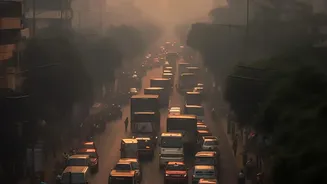
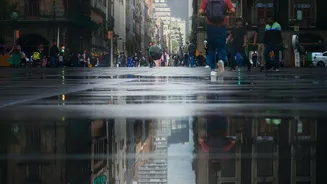
For residents of Mumbai, Bengaluru, Delhi, Chennai, and countless other Indian cities, heavy rainfall has come to mean a predictable form of chaos. An hour of intense rain can bring a bustling metropolis to its knees. Commutes that normally take minutes
stretch into hours, ground-floor homes and shops are inundated with murky water, and essential services grind to a halt. This recurring crisis, often dismissed as a simple case of 'too much rain', has become a grim annual reality. It is a clear signal that the systems designed to protect our cities from excess water are fundamentally broken, turning a seasonal weather event into a man-made disaster. The problem is no longer confined to a few low-lying areas; it's a systemic issue affecting the very functionality of our urban centers.
Paved Paradise, Flooded Reality
The root of the problem lies in how our cities have grown. Rapid and often unplanned urbanization has transformed our urban landscapes into vast stretches of impervious surfaces. Concrete and asphalt have replaced soil and greenery, leaving rainwater with nowhere to go but to run off into the streets. Compounding this, our cities have systematically erased their natural defences against flooding. Lakes, wetlands, and floodplains that once acted as natural sponges, absorbing and holding excess water, have been relentlessly encroached upon and built over to make way for new construction. The old stormwater drains that remain are often relics of a bygone era, designed for smaller populations and less intense rainfall. Today, these ageing networks are frequently choked with silt and solid waste, and sometimes illegally carry sewage, dramatically reducing their capacity to handle even a moderate downpour.
A Climate of Extremes
Climate change is a powerful force multiplier in this crisis. It is not just about rising temperatures; it's about the changing character of rainfall itself. Scientists have observed a significant increase in the frequency of extreme weather events. This means the monsoon is no longer a steady, predictable drizzle over many days. Instead, we are seeing incredibly intense bursts of rain concentrated in very short periods. These cloudburst-like events dump an enormous volume of water that no conventional, outdated drainage system was ever designed to handle. This new climatic reality means that even cities with seemingly adequate drainage can find themselves completely overwhelmed, highlighting the urgent need to plan for a more volatile and extreme future.
From Concrete Jungle to Sponge City
The solution is not to build bigger pipes, but to fundamentally rethink our relationship with water. The answer lies in shifting from a 'drainage' mindset to an 'absorption' mindset. Forward-thinking urban planners advocate for concepts like 'Sponge Cities' and 'Blue-Green Infrastructure'. The goal is to make our cities work with nature, not against it. This involves using permeable pavements that allow water to seep into the ground, creating rain gardens and bioswales that absorb runoff, protecting and restoring urban lakes and wetlands, and promoting green roofs. By doing so, stormwater is transformed from a destructive hazard into a valuable resource. It gets filtered naturally and helps to recharge depleted groundwater aquifers, addressing the parallel crisis of urban water scarcity.
The High Cost of Inaction
Ignoring this problem carries a staggering price tag. The economic costs of urban flooding are immense, running into thousands of crores annually through damage to property and infrastructure, severe business disruption, and supply chain breakdowns. But the toll is not just financial. The stagnant floodwaters become a breeding ground for dangerous diseases like dengue, malaria, and leptospirosis, posing a serious public health threat. Furthermore, the impact is felt most acutely by the city's most vulnerable residents. Those living in informal settlements and low-lying areas often lose their homes and livelihoods in a matter of hours, trapping them in a cycle of poverty and risk.