




The On-Paper Promise of a Better Journey
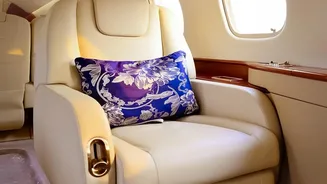
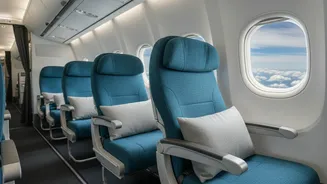
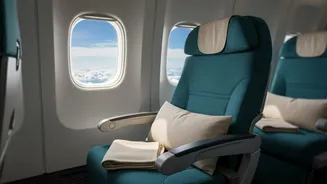
Airlines present Premium Economy as the sweet spot between value and comfort. The pitch is compelling and consistent across most major carriers flying long-haul routes. You get a physically different seat than in economy—it's not just an exit row. This
typically means a few extra inches of legroom (seat pitch), an inch or two of extra width, and a deeper recline. The cabin itself is smaller and more private, creating a quieter environment. Beyond the seat, the perks often include priority check-in and boarding, a more generous baggage allowance, larger entertainment screens, better headphones, and an elevated meal service, sometimes even borrowing from the Business Class menu. On paper, for a flight stretching over seven or eight hours, this collection of benefits seems like a guaranteed upgrade to a more civilized travel experience.
When 'Real Conditions' Test the Value
The marketing brochure is one thing; the reality of a busy travel day is another. The 'premium' experience can feel diluted under real-world operational pressures. For instance, priority boarding offers little advantage if you end up waiting in the same aerobridge as everyone else or get bussed to a remote stand. A last-minute aircraft swap—a common occurrence—could mean the Premium Economy seat you paid for has different dimensions or features than the one you researched. Furthermore, the quality and consistency of this cabin class vary dramatically between airlines. Some carriers offer a product that feels like a true 'Business-lite' experience, while others provide little more than what used to be considered standard economy a decade ago. Travellers have reported issues ranging from broken seats and faulty entertainment screens to food that is indistinguishable from what’s served in the main cabin. These inconsistencies mean the perceived value can be a gamble.
The Traveller Who Was Already Sold
This brings us to the core of the headline: the benefits matter most to those who would have sought an upgrade anyway. For certain travellers, the perks aren't just a luxury; they're a necessity. If you're over six feet tall, the extra legroom isn't a bonus, it's a requirement for surviving a 10-hour flight without physical pain. For the business traveller whose company policy doesn't cover a lie-flat bed but who needs to arrive rested and ready to work, Premium Economy is a productivity tool. For the anxious flyer or person with mobility issues, the quieter, smaller cabin and priority services reduce stress in a tangible way. These travellers aren't just buying a slightly better seat; they are buying a solution to a specific problem. They have already quantified the value of more space, less hassle, and a better chance at sleep. The price difference, which can be anywhere from 30% to over 60% more than an economy ticket, is weighed against the cost of arriving exhausted, sore, or unprepared.
A Different Calculation for Leisure Flyers
For the average leisure traveller or family on a budget, the calculation is different. The question isn't just, "Is this more comfortable?" but rather, "Is this the best use of my holiday funds?" If the extra cost for a family of four to upgrade to Premium Economy on a round trip to Europe is ₹80,000, that same money could pay for several nights in a better hotel, memorable meals, or unique experiences at the destination. While the on-board experience is part of the trip, it's a small fraction of the overall time. The incremental comfort of a wider seat and a slightly fancier meal might not deliver the same lasting value as experiences on the ground. For these travellers, the upgrade often remains a questionable luxury unless a special sale makes the price difference unusually small.