


A New Culinary Confidence
For years, modern Indian food was often defined by fusion, sometimes resulting in dishes that felt forced, like the classic chicken tikka pizza. Today, a new movement is taking hold, one rooted in confidence and curiosity. Chefs across India are moving
away from a generalised 'Indian' menu and diving deep into the country's immense regional diversity. This isn't about catering to an international palate by simplifying flavours; it's about celebrating the unique culinary identity of each region with pride and precision. Instead of translating dishes, chefs are presenting them with authenticity, trusting that diners are ready to explore the nuanced flavours of everything from Konkani fish curry to Kashmiri nadru yakhni. This shift marks a transition from performative modernity to a more thoughtful, ingredient-focused approach to cooking.
The Art of the Thoughtful Swap
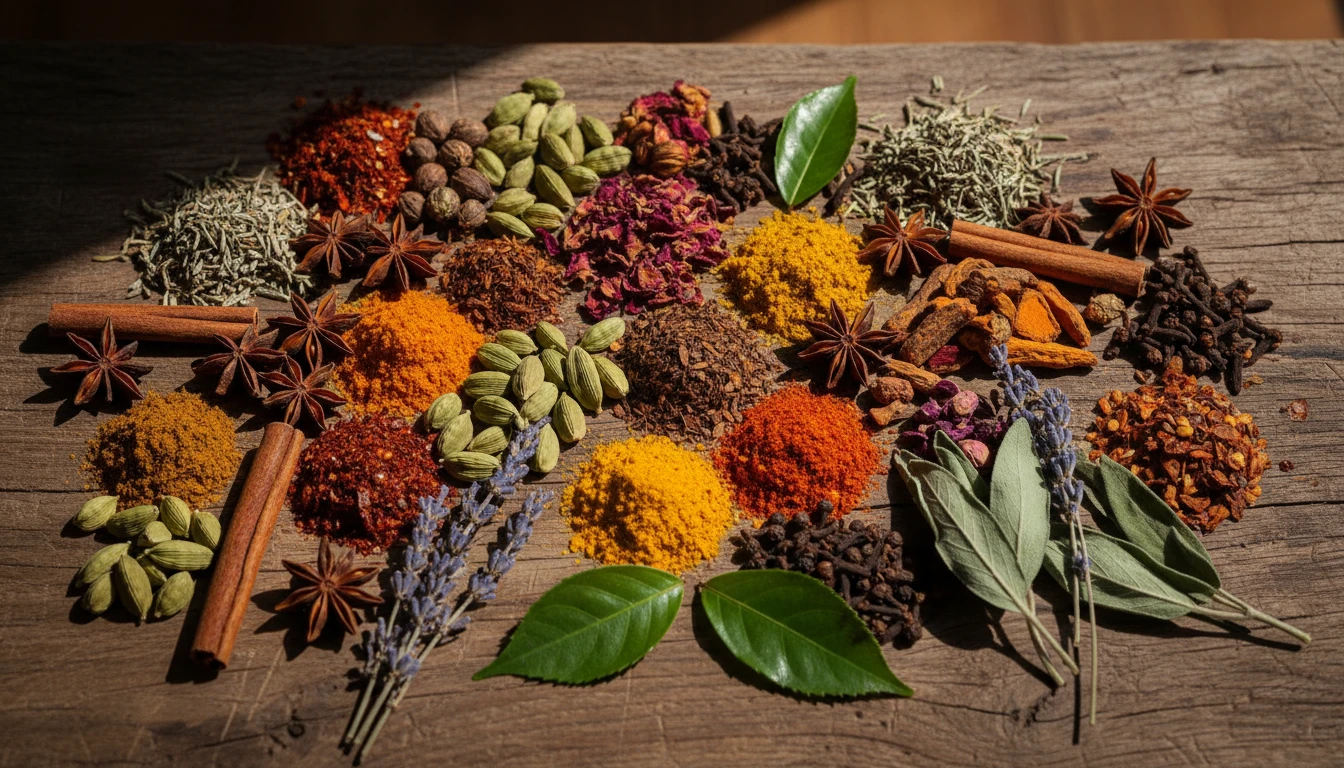
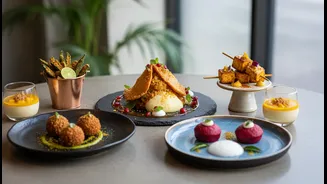
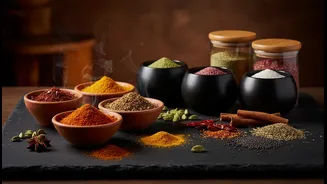
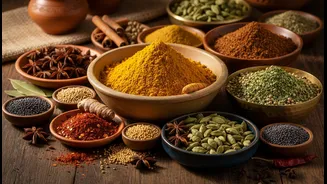
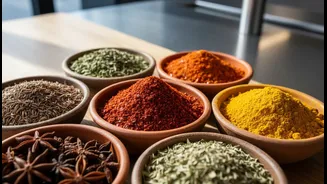
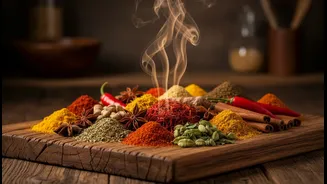
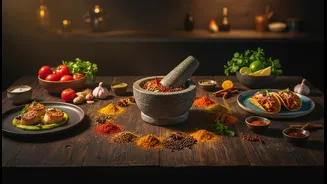
So, what exactly is a creative spice swap? It's not about replacing turmeric or cumin, but about introducing lesser-known, hyper-local ingredients that offer a unique twist. Think of a chef using the zest of the fragrant gondhoraj lime instead of a regular lemon, or incorporating smoky black cardamom into a dessert where green cardamom would be expected. At restaurant Hosa in Goa, Chef Harish Rao creates a chocolate chilli Basque cheesecake using fiery Andhra chillies, a daring swap that bridges heritage and innovation. In Mumbai, Chef Varun Totlani of Masque reimagines the humble masala papad by using nixtamalized corn, showcasing how a traditional snack can be elevated through unexpected techniques and ingredients. These swaps are about enhancing, not erasing, the original character of a dish.
Celebrating Indigenous Ingredients
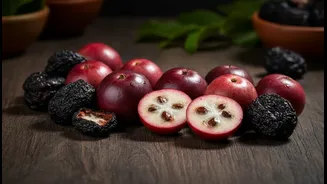
This trend is powered by a renewed focus on provenance. For these chefs, luxury is not an imported truffle but an heirloom grain from a small farm or a wild herb foraged from a forest. This ingredient-first movement has chefs championing everything from Himalayan sea buckthorn to tangy kokum from the Western Ghats. By working directly with small-scale farmers and producers, they ensure the integrity of the ingredients while also supporting sustainable practices. This focus on hyper-local produce allows them to tell a story about a specific region's biodiversity through their food. It’s a celebration of India’s culinary diversity, which is shaped by hundreds of indigenous communities, each with its own distinct flavours.
Not Fusion, But Evolution
It's important to distinguish this new wave from the fusion food of the past. What's happening now is more of an evolution from within. Chefs are applying global techniques with Indian sensibilities. For instance, a French technique like sous vide might be used to perfectly extract the flavour of cloves for a contemporary curry, or a coastal sol kadi might be used to cure fish for a ceviche-style dish instead of being served as a drink. This approach allows for creative reinterpretations, like a dosa with bone marrow hollandaise or an aubergine steak with a peanut-sesame curry that evokes the ritual of eating curd rice. It’s about reimagining structure and presentation while ensuring the soul of the dish remains authentically Indian.
The Future of Indian Flavour
This culinary shift is changing how the world sees Indian food. By moving beyond a few well-known dishes, these chefs are showcasing the incredible depth and variety of India's regional cuisines. They are proving that Indian flavours can be both deeply traditional and excitingly modern. This movement is not just about creating novel dishes; it's about preserving culinary heritage by making it relevant to a new generation of diners. It encourages a deeper appreciation for the stories behind the food we eat, from the farmer who grew the ingredients to the age-old traditions that inspired the recipe. This thoughtful innovation ensures that the future of Indian food will be as rich and diverse as its past.