
Why Protein for Your Evening Meal?
Ending your day with a protein-rich meal is a smart move for several reasons. Protein promotes a feeling of fullness, or satiety, which can curb late-night snacking. It also plays a crucial role in muscle repair and growth, which largely happens overnight
while you sleep. Furthermore, pairing protein with other nutrients helps to stabilize blood sugar levels, preventing the sharp spikes and crashes that can disrupt sleep and energy. Unlike carbohydrates or fats, protein has a higher thermic effect, meaning your body uses more energy to digest it, giving your metabolism a gentle boost. A well-balanced, high-protein dinner sets the stage for a restful night and a re-energized morning.
Tofu vs. Paneer: A Nutritional Snapshot
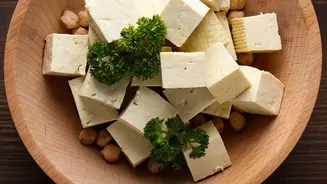
Both tofu and paneer are staples in Indian kitchens, but they offer different nutritional profiles. Paneer, a fresh cheese made from milk, is generally higher in protein, fat, and calories. A 100-gram serving of paneer can contain between 18 to 21 grams of protein, making it excellent for muscle building. Tofu, derived from soybeans, is lighter in calories and fat. While its protein content is lower—around 8 to 10 grams per 100g—it provides a complete protein with all essential amino acids and is a fantastic source of iron. For those managing weight or with lactose intolerance, tofu is often a preferred choice, whereas paneer offers a higher dose of protein and calcium. Ultimately, both can be part of a healthy diet, and combining them allows you to get the benefits of each.
The Art of a Balanced Plate
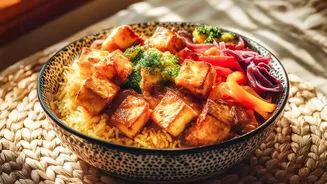
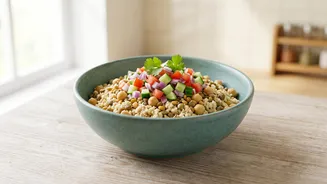
A truly balanced meal isn't just about protein. The key is to create a plate that incorporates all essential macronutrients. A simple, effective model is the 'Healthy Eating Plate' framework. Aim to fill half of your plate with non-starchy vegetables like spinach, broccoli, bell peppers, and cauliflower for fibre and vitamins. One-quarter of your plate should be dedicated to your high-protein source, which is where your tofu and paneer combos come in. The final quarter should be reserved for complex carbohydrates like brown rice, quinoa, or whole-wheat roti, which provide sustained energy. Don't forget to add a source of healthy fat, such as a drizzle of olive oil, a few slices of avocado, or a sprinkle of nuts and seeds, to support brain function and hormone production.
Smart Meal Combos for Dinner
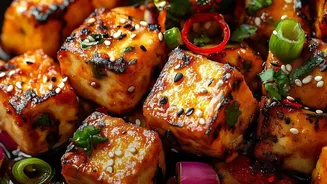
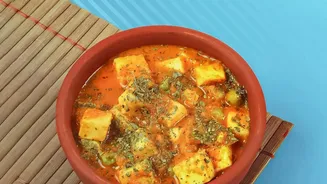
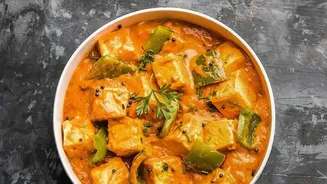
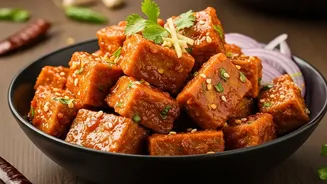
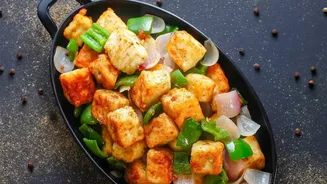
Combining tofu and paneer in one dish can create a wonderful texture and flavour profile. The creaminess of paneer pairs beautifully with the firmer bite of well-cooked tofu. Try making a mixed Tofu and Paneer Bhurji; crumble both and sauté with onions, tomatoes, and spices for a quick, protein-packed scramble that goes well with roti. Another idea is a Mixed Grill Tikka. Marinate cubes of both tofu and paneer in yogurt and spices, thread them onto skewers with vegetables like onions and capsicum, and then grill or bake them. For a gravy-based dish, you can prepare a Palak (Spinach) Curry and add pan-fried cubes of both tofu and paneer. This adds layers of texture and boosts the overall protein content of the classic dish.
Healthy Cooking Techniques
How you cook your protein is just as important as what you cook. To keep your tofu and paneer dishes light and healthy, opt for cooking methods that use minimal oil. Grilling, baking, air-frying, and stir-frying are excellent choices. If you're using tofu, especially firm or extra-firm varieties, press it for at least 15-20 minutes before cooking to remove excess water; this helps it get crispier and absorb marinades better. Marinating both tofu and paneer in a mix of yogurt (or a plant-based alternative), lemon juice, and spices not only infuses them with flavour but also helps to tenderise them. When making curries, pan-frying the cubes separately before adding them to the gravy can help them hold their shape and provide a more satisfying texture.