



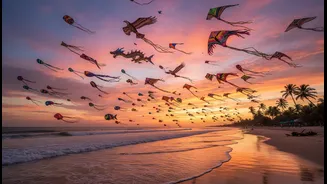


A Spectacle on the Shoreline
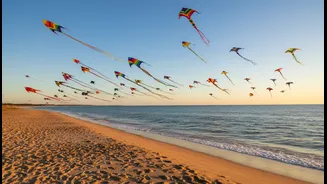
Launched in 2022, the Tamil Nadu International Kite Festival (TNIKF) has quickly become a flagship event on the state's cultural calendar. Held near the historic shores of Mahabalipuram, the festival is a four-day extravaganza timed to coincide with the Independence
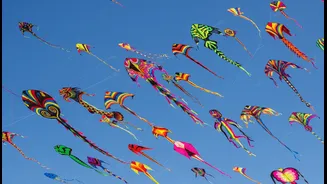
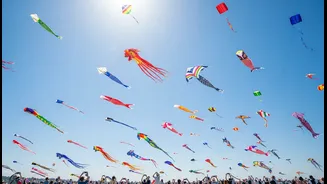
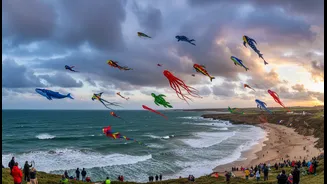
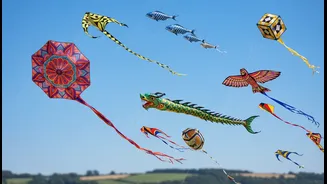
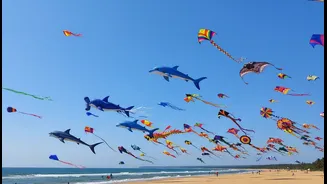
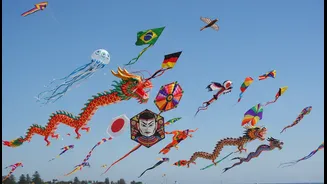
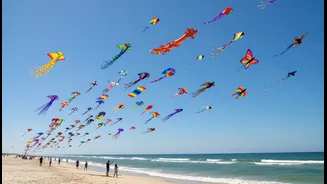
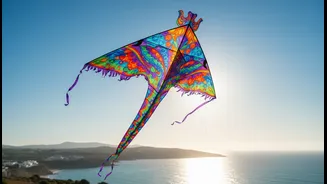
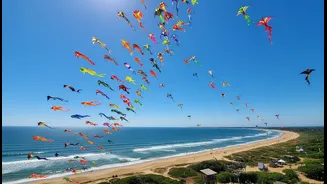
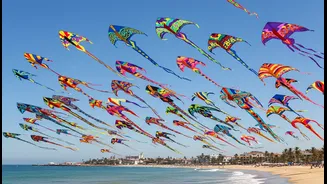
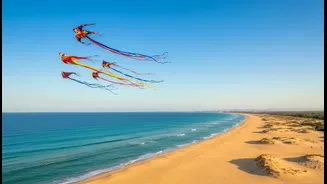
Day long weekend in August. Imagine hundreds of giant, intricate kites from across the globe—think France, Germany, Thailand, and Vietnam—painting the sky. Past editions have featured massive kites shaped like marine creatures to promote ocean conservation, while LED kites illuminate the evenings, creating a magical twilight spectacle. This is not just a passive viewing experience; the event is a full-fledged family carnival, complete with food stalls, kite-making workshops, cultural performances, and live music concerts, drawing thousands of visitors to the coast.
The New Blueprint for Tourism
For years, Tamil Nadu has been a top destination for domestic tourists, renowned for its ancient temples and spiritual heritage. However, the state government is now actively widening this narrative, shifting focus from static monuments to dynamic, event-led tourism. The kite festival is a prime example of this new strategy. Spearheaded by the Department of Tourism, the goal is to create a calendar of compelling events that give travelers new reasons to visit, stay longer, and explore deeper. This approach aims to leverage Tamil Nadu's extensive 1,076-kilometer coastline, which has been identified as a largely untapped asset for tourism growth. Events like TNIKF are designed to put the state on the global map for cultural festivals and attract a wider, more diverse audience.
The Mahabalipuram Model
The choice of Mahabalipuram (Mamallapuram) as the venue is a masterstroke of strategic planning. As a UNESCO World Heritage Site famous for its 7th-century rock-cut temples and monuments, it already possesses immense historical and cultural gravity. By hosting a modern, vibrant festival like TNIKF here, the state is ingeniously blending its ancient heritage with contemporary attractions. This creates a powerful draw for cultural tourists who can explore Pallava-dynasty shore temples in the morning and watch acrobatic kite shows in the afternoon. This model demonstrates how to activate heritage sites, making them living, breathing spaces for new cultural experiences rather than just relics of the past.
Beyond Kites: A Wider Coastal Strategy
The kite festival is not an isolated initiative but part of a broader vision for coastal and ecotourism. In early 2026, the government announced plans to develop 40 new tourist locations, with a strong emphasis on coastal and rural areas. The strategy includes developing coastal tourism circuits in places like Nagapattinam and Rameswaram, potentially linking them with ferry services to create seamless travel experiences. This push is supported by events like the Tamil Nadu Global Tourism Summit, aimed at attracting private investment for infrastructure and new projects. The underlying goal is to create sustainable, community-led tourism that benefits local economies, especially fishing communities, by generating new livelihoods through hospitality, handicrafts, and guided tours.
What This Means for Travelers
This strategic shift is rewriting the travel guide for Tamil Nadu. For visitors, it means a richer and more varied experience. Instead of a trip centered solely on temple visits, a holiday can now include attending a world-class festival, exploring undiscovered beaches, engaging in adventure sports, or following curated food trails. The focus on developing new sites and improving infrastructure promises better access and more choices, from eco-friendly resorts to authentic village homestays. As Tamil Nadu continues to build its portfolio of events, including the likes of the International Balloon Festival in Coimbatore, it is transforming itself into a year-round, multi-interest destination. The message is clear: there's always something new to discover on the shores of Tamil Nadu.