


A Philosophy of Natural Luxury
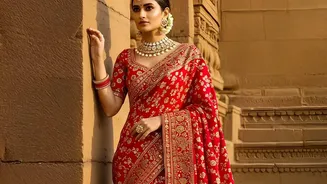
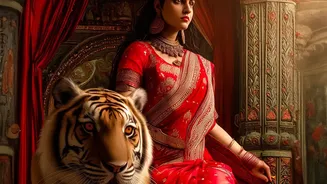
Long before modern cosmetic counters, the beauty routines of Indian royalty were sophisticated rituals rooted in Ayurveda and nature. For queens and princesses, from the Rajputana palaces to the Mughal zenanas, beauty was not just about appearance but
a holistic practice of wellness. Their regimens were governed by the seasons and relied on freshly prepared botanicals sourced from their own regions. In the harsh desert climate of Rajasthan, for instance, rituals focused on cooling and hydration, while the lush valleys of Kashmir provided rich oils for nourishment. This philosophy was about harnessing the potent purity of nature—viewing skincare as a ceremony of self-care, a tradition of passing wisdom from one generation to the next.
The Golden Glow of Ubtan
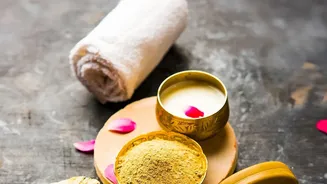
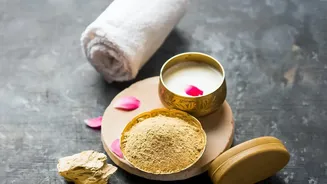
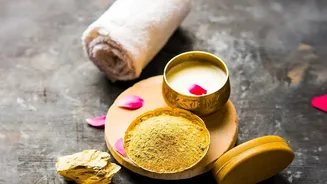
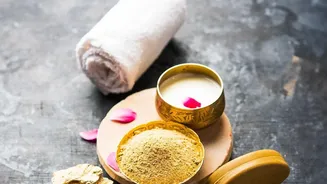
One of the most enduring legacies of royal Indian beauty is the ubtan. Far more than a simple face pack, this traditional paste was a cornerstone of both daily and ceremonial skincare. Typically made from a blend of gram flour (besan), turmeric (haldi), sandalwood (chandan), and milk or rosewater, the recipe would often be a fiercely guarded family secret. This powerful concoction served as a gentle exfoliator, cleanser, and skin brightener all in one. It was believed to purify the skin, remove tan, and impart a luminous glow, making it an indispensable part of pre-wedding ceremonies for both brides and grooms. This ritual, dating back to the Vedic era, highlights a core principle of royal beauty: achieving radiant skin through nourishment, not concealment.
Precious Potions: Saffron and Rosewater
Among the most prized ingredients in the royal treasury were saffron and roses. Mughal empress Nur Jahan, renowned for her beauty and intellect, was said to have popularised 'Gulab Jal' or rose water. She famously bathed in water filled with rose petals, a ritual that reportedly led to the discovery of precious rose oil. Rose water was used throughout the day as a hydrating mist to soothe skin and calm irritation, a perfect remedy for the Indian heat. Saffron, or 'kesar', was another luxurious staple. Often soaked in milk and applied as a face pack, this exotic spice was treasured for its ability to brighten the complexion and bestow a natural golden lustre. Rajput queens like Rani Padmini were believed to use saffron-infused preparations to maintain their legendary beauty.
Adornment as Art: Kajal and Attar
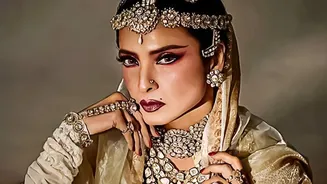
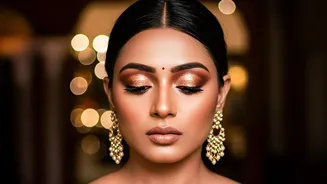
The final touches of a royal routine were about adornment and fragrance. The use of kohl, or kajal, to define the eyes has been an iconic part of Indian beauty for millennia, a practice embraced by queens like Mumtaz Mahal. But beyond makeup, personal scent was the ultimate statement of refinement. The Mughals, in particular, were great patrons of perfumery, mastering the art of creating 'attar'—natural, alcohol-free perfume oils. These scents were complex blends distilled from flowers, spices, and woods, with rose, jasmine, and sandalwood being royal favourites. Emperor Jahangir's consort, Nur Jahan, was a master of blending fragrances herself. A bespoke attar was a signature, a fragrant aura that was as much a part of the royal presence as their jewels.
The Modern Maharani: Gayatri Devi's Grace
Even in the 20th century, the principles of traditional royal beauty endured. Maharani Gayatri Devi of Jaipur, celebrated globally as a style icon, was a proponent of elegant simplicity. She was known for her minimal makeup, typically consisting of a soft lipstick and a touch of kajal. Her beauty philosophy was understated and natural. In her memoir, she mentioned using turmeric paste and perfumed oils in her bath, continuing the age-old traditions of her ancestors. She also used natural ingredients like henna as a hair conditioner and cooling agent. Her timeless grace proved that the essence of royal beauty—emphasising natural radiance and quiet confidence—remained relevant in the modern era.