




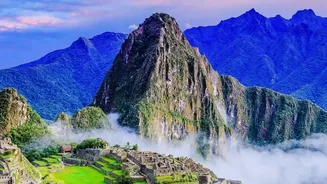
Peru is a land of ancient wonders and breathtaking landscapes that rightly sits on many bucket lists. But the postcard image often omits the reality: long queues, crowded viewpoints, and the feeling of being one of many thousands of people.
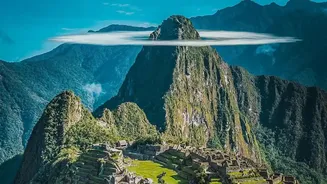
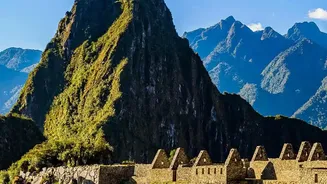
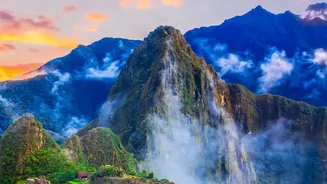
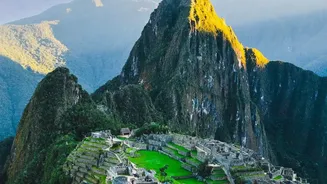
Machu Picchu: The Timed Reality
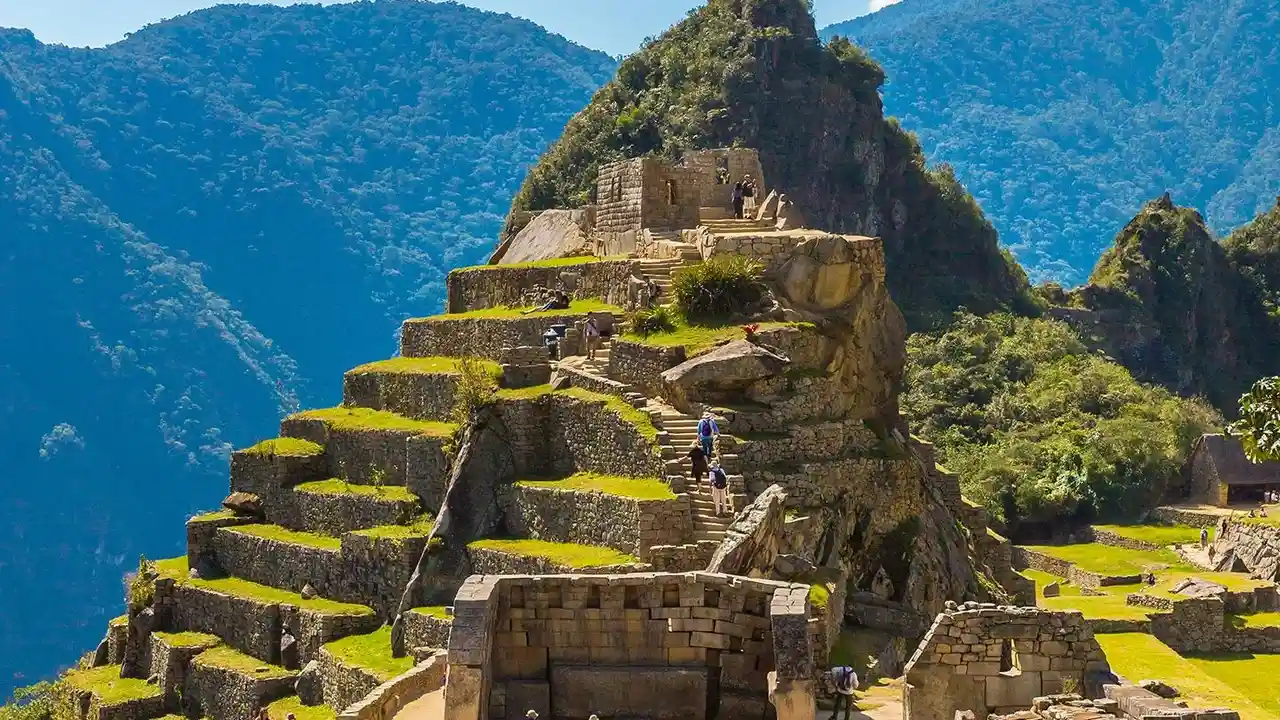
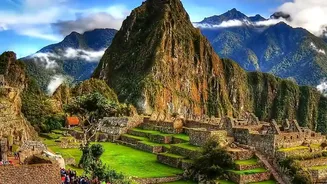
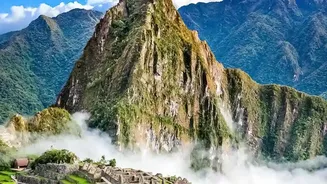
The legendary
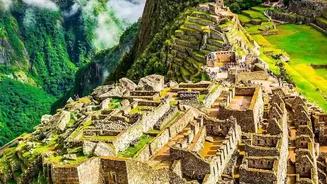
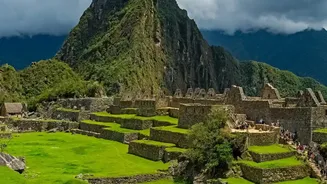
Inca citadel is, without question, spectacular. However, the experience of visiting is now a highly regulated affair designed to manage overwhelming demand. The Peruvian government has implemented a strict system of timed entry slots and defined circuits to manage the flow of up to 5,600 visitors per day during high season. This means your time at the most iconic viewpoints is limited, and you must follow a one-way path through the site. Spontaneity is not an option; tickets must be booked far in advance via the official platform, and the shuttle bus from the nearby town of Aguas Calientes often involves its own lengthy queue, especially in the morning. While these measures are crucial for conservation, they can transform a spiritual pilgrimage into a rushed, crowded procession. To beat the worst of the congestion, aim for the earliest morning slots or arrive later in the afternoon when the day-trippers have departed.
Rainbow Mountain: An Instagram Darling's Downsides
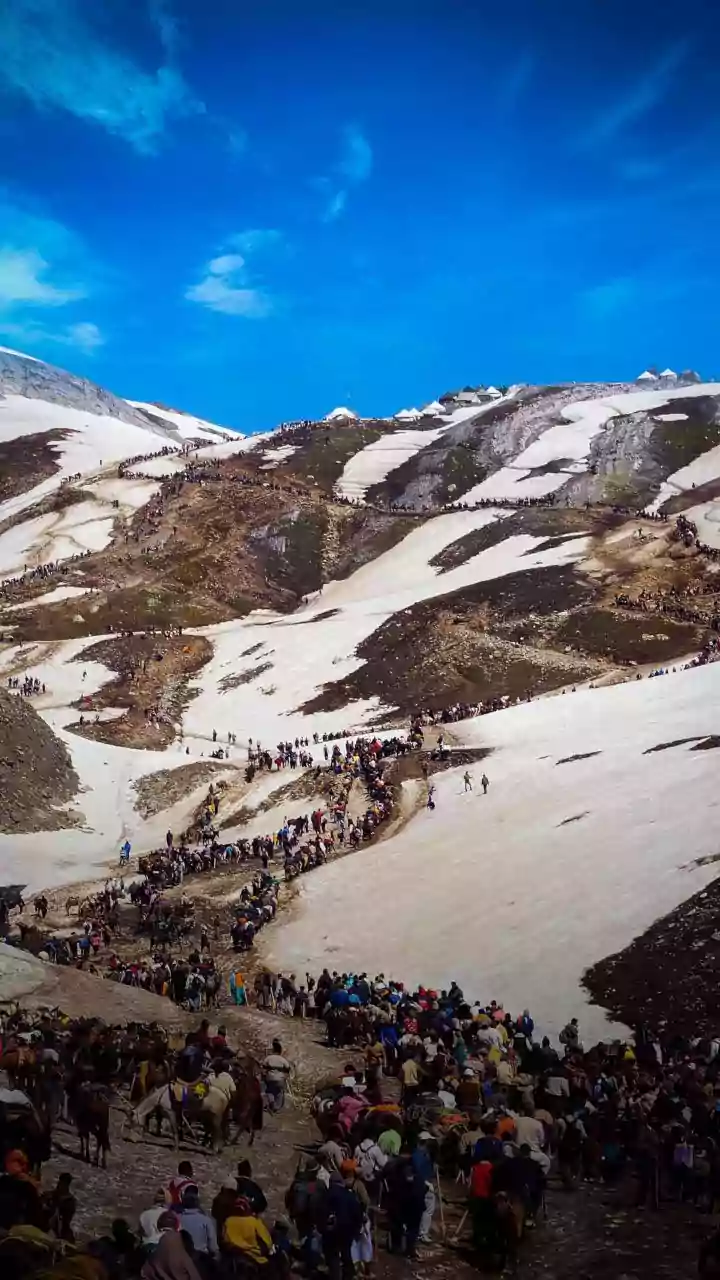
Vinicunca, or Rainbow Mountain, became an internet sensation almost overnight. This has led to a massive influx of tourists, with some past reports citing up to 1,500 hikers per day on a fragile alpine trail. The result is significant environmental strain, including noticeable trail erosion from heavy foot traffic and littering that threatens the delicate ecosystem. A wetland was even converted into a large parking lot to accommodate the tour buses. While tourism provides vital income for local communities, the sheer volume of people can detract from the natural beauty. Visitors often find themselves in a long, slow-moving line to the main viewpoint, jostling for a photo. For a less crowded but equally stunning alternative, consider visiting Palccoyo, another rainbow-colored mountain range that offers a gentler hike and a more serene experience with a fraction of the visitors.
Huacachina: The Shrinking Oasis
The 'Oasis of America' is a picture-perfect lagoon surrounded by towering sand dunes, making it a hotspot for sandboarding and dune buggy tours. However, this tiny village is struggling under the weight of its own popularity. Overtourism has led to a chaotic and competitive environment among tour operators, sometimes compromising safety. The oasis itself is facing significant environmental challenges; the lagoon's water level has dropped due to groundwater extraction for local agriculture and is now artificially maintained with pumped water. The small area can feel completely overrun with noisy buggies and large tour groups, especially around sunset. To find a moment of peace, try visiting early in the morning before the majority of day-trippers from Lima and Paracas arrive. Booking adventure activities with reputable, licensed companies is also crucial for a safer experience.
Beyond the Gringo Trail
The congestion at Peru's top sites doesn't mean you should cancel your trip. It's an invitation to explore more deeply. Instead of just seeing Machu Picchu, consider a challenging multi_day trek to Choquequirao, often called its 'sister city'. This massive, remote Inca complex receives only a handful of visitors by comparison. In Northern Peru, the fortress of Kuelap, built by the pre_Inca Chachapoya culture, offers a completely different historical context amidst cloud forests. Instead of the crowded main Inca Trail, look into stunning alternative treks like the Salkantay or Lares routes, which also lead to Machu Picchu but through less_trafficked landscapes. These destinations provide the same sense of awe and discovery but without the crowds, offering a more personal and rewarding connection with Peru's rich history and landscapes.