





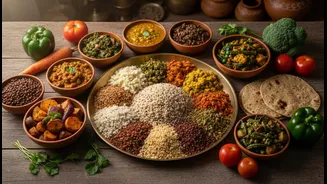


Why Your Body Craves Magnesium
Think of magnesium as your body's unsung hero. This essential mineral is a key player in hundreds of biochemical reactions. It helps maintain normal muscle and nerve function, keeps your heartbeat steady, and supports a healthy immune system. It also
plays a vital role in regulating blood sugar levels, producing energy, and building strong bones. From your brain to your bones, magnesium is hard at work. Low levels can contribute to issues like muscle cramps, fatigue, and even increase the risk of chronic conditions such as high blood pressure and type 2 diabetes over time.
The Whole Food Advantage
While supplements have their place, experts increasingly recommend a “food-first” approach. When you eat magnesium-rich foods, you get the mineral in its natural state, accompanied by a host of other beneficial nutrients like fibre, vitamins, and antioxidants. This combination, often called a 'nutrient matrix', works synergistically, enhancing absorption and providing broader health benefits than an isolated supplement ever could. Furthermore, it's virtually impossible to get too much magnesium from food, as your kidneys are excellent at filtering out any excess. The same cannot be said for high-dose supplements, which can lead to unpleasant side effects like diarrhoea and abdominal cramping, and may interact with certain medications.
1. Dark Leafy Greens
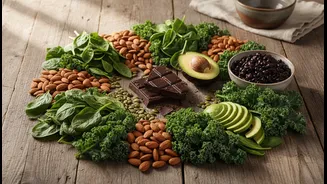
When it comes to nutrient density, dark leafy greens are champions. In India, this includes staples like spinach (palak), fenugreek leaves (methi), and mustard greens (sarson). A single cup of cooked spinach provides a substantial portion of your daily magnesium needs. These greens are also packed with other vital nutrients like iron and vitamins A, C, and K, making them a cornerstone of a healthy diet. Try adding them to dals, sabzis, or even your morning smoothie.
2. Nuts and Seeds
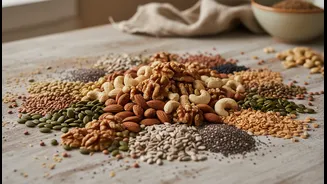
Nuts and seeds are nutritional powerhouses and fantastic sources of magnesium. Pumpkin seeds, chia seeds, and almonds are particularly potent. Just a small handful can provide a significant boost. In the Indian context, sesame seeds (til) are also an excellent choice and are commonly used in laddoos and chutneys. Snacking on a mix of these or sprinkling them over salads and yoghurt is an easy way to increase your intake.
3. Legumes and Pulses
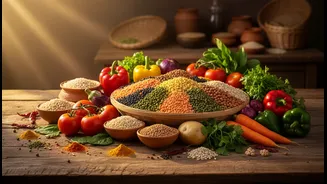
A staple in Indian cuisine, legumes and pulses are not only rich in protein and fibre but also magnesium. Lentils (dals), chickpeas (chana), and kidney beans (rajma) are all excellent choices. Including a dal or a legume-based dish in your daily meals is one of the most accessible and affordable ways to get more magnesium into your diet naturally.
4. Whole Grains and Millets
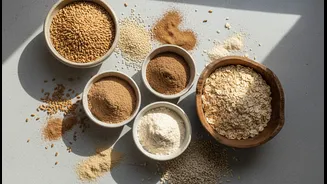
Swapping refined grains for whole grains is a simple yet effective dietary upgrade. Whole grains like brown rice, whole wheat (atta), and oats contain significantly more magnesium than their processed counterparts. Millets, which are gaining popularity for their health benefits, are also fantastic sources. Ragi (finger millet), bajra (pearl millet), and jowar (sorghum) are widely consumed across India and pack a powerful magnesium punch.
5. Dark Chocolate and Avocados
Here's some good news for your taste buds: dark chocolate is a delicious source of magnesium. A single ounce of high-quality dark chocolate (with at least 70% cocoa solids) can contribute nicely to your daily total. Another fantastic and versatile option is the avocado. Rich in healthy fats, fibre, and potassium, this fruit is also a good source of magnesium.
6. Bananas and Other Fruits
While not the most concentrated sources, certain fruits can still help you reach your magnesium goals. Bananas are a well-known option, providing a decent amount of the mineral along with potassium. Other fruits like papaya and blackberries also contribute to your overall intake, proving that every little bit adds up in a balanced diet.