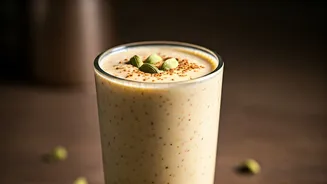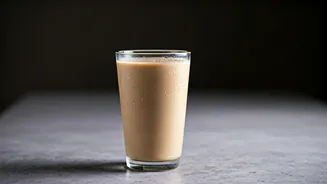



What Exactly Is Sattu?
Before it became the subject of fitness buzz, Sattu was a staple food, a rustic and reliable source of energy for farmers and labourers across Bihar, Jharkhand, Uttar Pradesh, and Punjab. Often called the ‘poor man’s protein,’ this moniker, while pointing
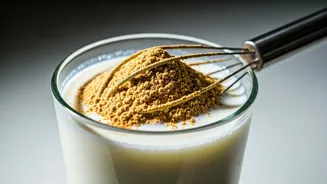
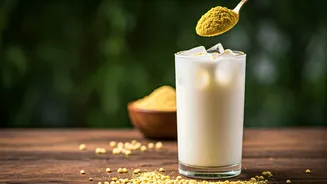
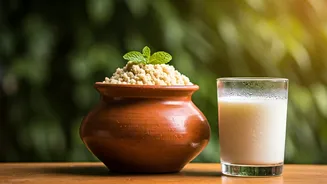
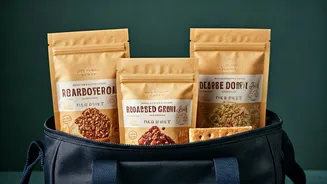
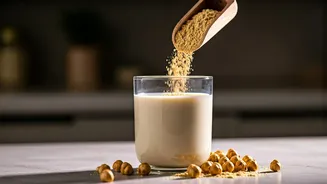
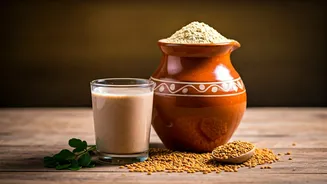
to its affordability, does a disservice to its incredible nutritional profile. Sattu is, simply put, a flour made from roasted grains, most commonly Bengal gram (kala chana). The roasting process is key; it not only imparts a unique, nutty flavour but also makes the nutrients more bioavailable and easier to digest. This isn't a modern invention but a time-tested food that has sustained generations, revered for its convenience (it requires no cooking) and its ability to provide lasting energy.
The Nutritional Powerhouse
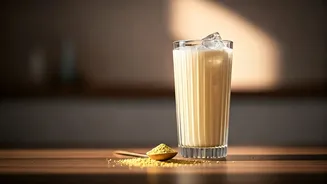
Let's break down why this simple flour is gaining a reputation as a superfood. The headline claim rests on its protein content, and for good reason. A 100-gram serving of Sattu contains approximately 20-25 grams of high-quality plant-based protein, making it comparable to many commercial protein supplements. But unlike those supplements, Sattu is a whole food. It’s incredibly rich in insoluble fibre, which is fantastic for gut health, aids digestion, and helps keep you feeling full for longer. It's also a low-glycemic index food, meaning it releases sugar into the bloodstream slowly, preventing energy spikes and crashes. Furthermore, it's packed with essential minerals like iron, manganese, and magnesium, which are crucial for energy production and overall bodily function. And in the sweltering Indian summer, a glass of Sattu sharbat is a celebrated cooling agent, known to hydrate the body and protect against heatstroke.
The Price-Per-Protein Battle
Here's where the headline really comes to life. The claim of being India's ‘cheapest protein shake’ is a bold one, but it holds up remarkably well under scrutiny. Consider the maths. A standard 1 kg tub of a decent whey protein concentrate can cost anywhere from ₹2,000 to ₹4,000. Each serving gives you about 24 grams of protein. In contrast, 1 kg of high-quality Sattu can be purchased for around ₹150 to ₹250. To get a similar 24-gram protein serving, you’d need about 100 grams of Sattu, which would cost you a mere ₹15 to ₹25. When you compare the cost per gram of protein, Sattu isn't just cheaper; it's in an entirely different league. For anyone on a budget—from students to athletes—it represents a ridiculously cost-effective way to meet daily protein requirements without compromising on quality.
Your Perfect Sattu Buttermilk Recipe
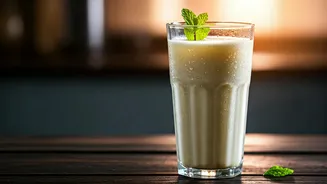
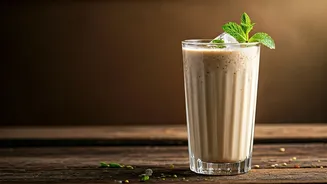
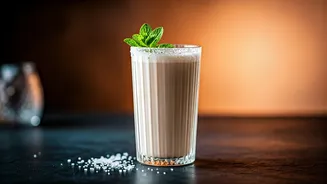
Ready to try it for yourself? Making this powerhouse drink is incredibly simple. This recipe for a classic salted Sattu buttermilk, or 'sharbat', is the perfect post-workout drink or refreshing mid-day cooler.
Ingredients:
- 3-4 tablespoons Sattu powder
- 1 glass chilled water or thin buttermilk (chhaas)
- Juice of half a lemon
- 1/4 teaspoon roasted cumin powder (bhuna jeera)
- A pinch of black salt (kala namak)
- Finely chopped mint leaves and onions (optional, for texture and flavour)
Instructions:
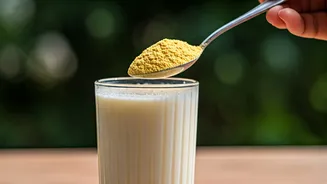
In a tall glass, add the Sattu powder. Slowly pour in a little water or buttermilk, mixing continuously with a spoon to form a smooth, lump-free paste. Once the paste is smooth, add the rest of the chilled liquid and stir well. Add the lemon juice, roasted cumin powder, and black salt. Stir until everything is well combined. Garnish with mint leaves and chopped onions if you like. Your nutrient-dense, dirt-cheap protein shake is ready to drink.