




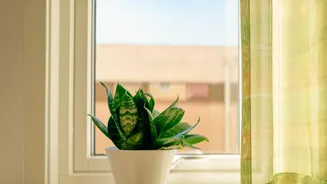
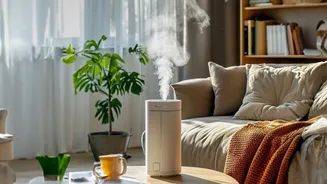
The quest for fresh, clean air inside our homes is universal. But with so much conflicting advice, what truly works? We compare opening the windows, running an air purifier, and filling your space with plants to find the ultimate strategy.
Open Windows: The Ventilation Dilemma
Throwing open
a window seems like the most natural way to 'air out' a room. It's a fantastic method for reducing built-up indoor pollutants like carbon dioxide (CO2) from our own breath and volatile organic compounds (VOCs) that off-gas from furniture and cleaning products. This exchange of air, or ventilation, is crucial to prevent stuffiness and the accumulation of these internally generated contaminants. However, in many Indian cities, opening a window is a double-edged sword. While it lets stale air out, it can also invite a host of unwanted guests in. During times of high outdoor pollution, open windows allow fine particulate matter (PM2.5), dust, and allergens to flood your indoor space, often making the air inside worse than it was before. As a rule of thumb, if the local Air Quality Index (AQI) is high, it's best to keep windows shut to protect your indoor environment.
Air Purifiers: The Particle-Fighting Powerhouse
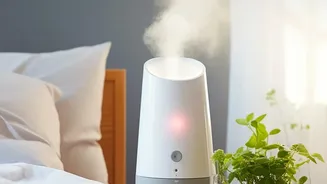
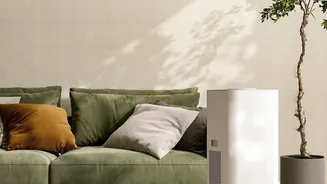
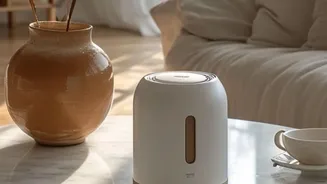
When it comes to actively removing tiny particles from the air, nothing beats a good air purifier. These devices work by pulling in room air and passing it through a series of filters. The most effective ones use High-Efficiency Particulate Air (HEPA) filters. A true HEPA filter is certified to capture at least 99.97% of airborne particles that are 0.3 microns in size. This includes the most dangerous PM2.5 particles, as well as dust mites, pet dander, pollen, and even some bacteria and viruses. Studies have consistently shown that using a HEPA purifier can significantly reduce the concentration of particulate matter indoors, providing a measurable improvement in air quality. For anyone with allergies, asthma, or concerns about pollution, an air purifier is the most direct and effective tool for cleaning the air you breathe at home.
Houseplants: The Green Myth?
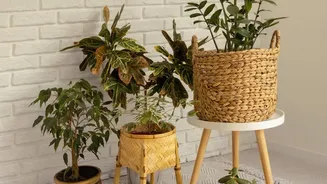
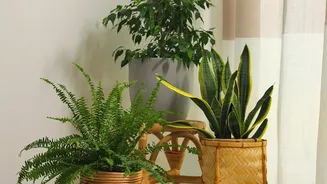
The idea that houseplants can purify indoor air is one of the most persistent wellness myths. It stems from a famous NASA study from 1989 which found that plants could remove VOCs from the air in small, sealed chambers. The problem is, your home is not a sealed space station. In a real-world room with normal airflow, the effect of plants on air quality is negligible. Subsequent research has concluded that you would need a veritable jungle—somewhere between 10 and 1,000 plants per square meter—to match the air-cleaning power of a single air purifier. While plants have no real impact on particle levels like dust or PM2.5, they do offer other benefits. They are beautiful, can boost mood, and add a touch of humidity to dry indoor air. So, you should absolutely keep your green friends, just don't rely on them to do the heavy lifting of air purification.
The Verdict: A Combined Strategy for Clean Air
So, who wins the battle for indoor air? The truth is, it's not a 'versus' situation; it's a team effort. The best approach to indoor air quality combines all three elements strategically. Use your windows for ventilation when the outdoor air quality is good—check your local AQI daily. This will flush out CO2 and other indoor gases. For the rest of the time, especially during high-pollution days, keep windows closed and rely on a high-quality air purifier with a HEPA filter to remove harmful particulate matter. And finally, fill your home with houseplants for their proven psychological and aesthetic benefits, knowing they are a beautiful complement to your clean air strategy, not the foundation of it. By combining ventilation, filtration, and a touch of nature, you create a truly healthier and more pleasant indoor environment.