
The Science of a Smart Breakfast
A breakfast that prevents sharp spikes in blood sugar is built on a simple principle: balance. Instead of relying solely on carbohydrates, which can digest quickly and cause a glucose surge, a balanced meal incorporates protein, fibre, and healthy fats.
These nutrients slow down digestion and the absorption of sugar into the bloodstream, leading to more stable energy levels throughout the morning. Protein, in particular, promotes satiety, helping to curb mid-morning cravings for unhealthy snacks. The goal is to choose low-glycemic index (GI) foods—those that release sugar slowly. Many traditional Indian ingredients fit this description perfectly.
Moong Dal or Besan Chilla
Both moong dal and besan (gram flour) are excellent choices for a blood-sugar-friendly breakfast. They are packed with plant-based protein and fibre, and both have a low glycemic index, which helps prevent rapid glucose spikes. A besan chilla, for instance, has a GI of around 35. These savoury pancakes are incredibly versatile and quick to prepare, especially if you make the batter the night before. Simply mix the flour with water, add finely chopped vegetables like onions, tomatoes, and spinach for extra fibre, and cook on a lightly oiled pan. Two medium-sized chillas can provide a substantial amount of protein, ranging from 11 to 16 grams.
The Modified Poha
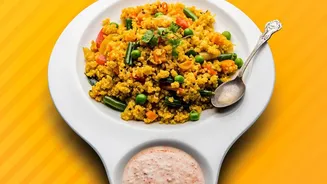
Poha is a beloved Indian breakfast, but traditional preparations are often high in carbohydrates and can cause blood sugar to rise quickly. However, you don't have to give it up. A few simple modifications can make it much healthier. Start by using red or brown rice poha, which have more fibre and a lower GI than white poha. Crucially, load it with non-starchy vegetables like peas, carrots, and bell peppers to increase its fibre content. To boost the protein, add a generous amount of roasted peanuts, sprouts, or even paneer cubes. This balanced approach slows down sugar absorption and makes the meal more satisfying.
Paneer or Tofu Bhurji
For a breakfast that is very high in protein and low in carbohydrates, paneer or tofu bhurji is an outstanding option. Paneer is one of the richest vegetarian sources of protein, with a 100g serving providing around 18-20 grams. Making bhurji is a matter of minutes: simply crumble the paneer or tofu and sauté it with onions, tomatoes, and spices. This dish provides sustained energy and has a minimal impact on blood sugar levels. You can enjoy it on its own or with a single whole-wheat roti for a complete meal.
Sprouts Chaat
A sprouts chaat is a no-cook, nutrient-dense breakfast that is ready in minutes. Steamed or raw moong sprouts are rich in protein and fibre, contributing to stable blood sugar. A one-cup serving can offer between 7 and 15 grams of protein. To make it, toss the sprouts with chopped cucumber, tomatoes, and onions. Add a squeeze of lemon juice and a pinch of chaat masala for flavour. For an extra protein boost, mix in some crumbled paneer or a bowl of plain curd on the side.
Quick Prep for Busy Mornings
The key to a consistent, healthy breakfast routine is preparation. On weekends, consider making a large batch of chilla batter to last for a few days. You can also pre-chop vegetables like onions, carrots, and capsicum and store them in the refrigerator. Soaking dals or legumes overnight is another simple step that cuts down on morning prep time. For poha, having pre-roasted peanuts and sprouts on hand makes assembly quick. These small habits ensure that even on the most hectic mornings, a balanced, blood-sugar-stabilising meal is just minutes away.