
A Shift in the Pickle Paradigm
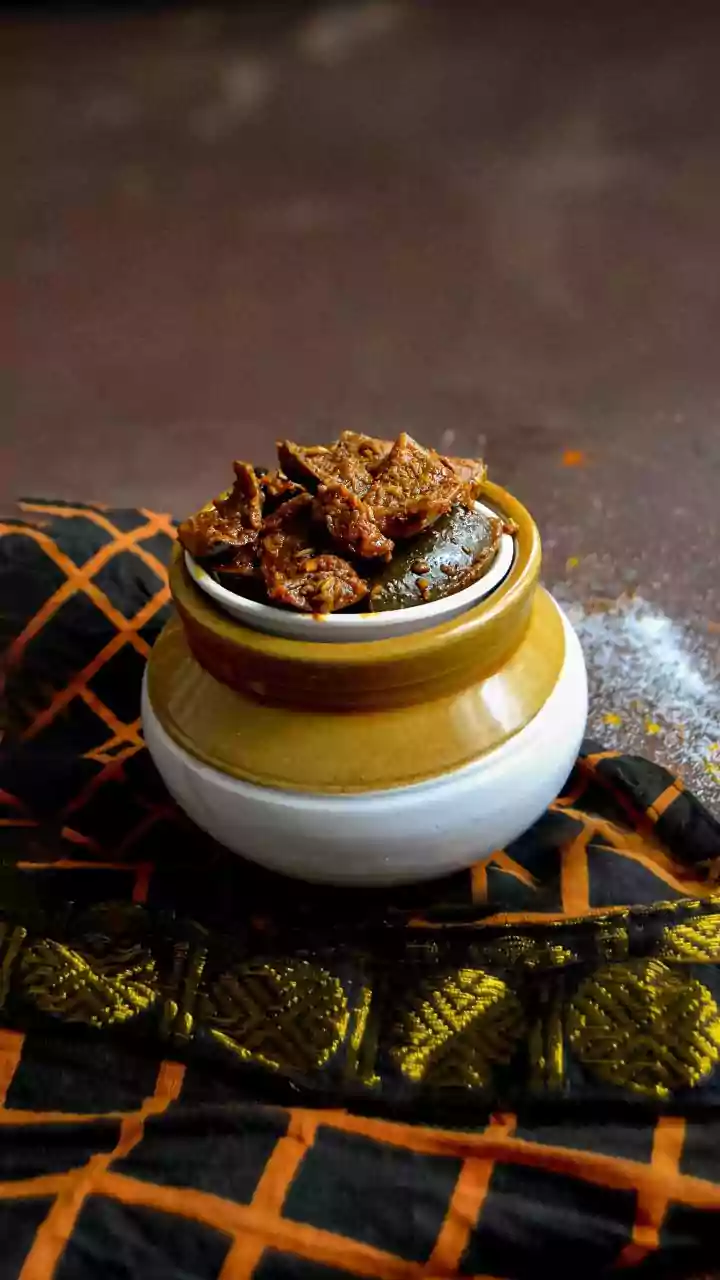
For generations, oil has been the undisputed hero of the Indian pickle jar, a powerful preservative that carries flavour and ensures longevity. However, a growing movement towards conscious eating is causing many to rethink this staple. Urban households,
increasingly wary of excessive oil consumption, are looking back to older, lighter preservation techniques. This isn't about abandoning tradition but rather rediscovering a different side of it. The shift is driven by a desire for food that is not only delicious but also serves a functional, healthful purpose, moving the pickle from a guilty pleasure to a wellness-boosting condiment.
The Science of Fermentation
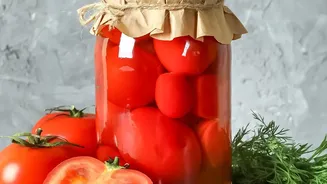
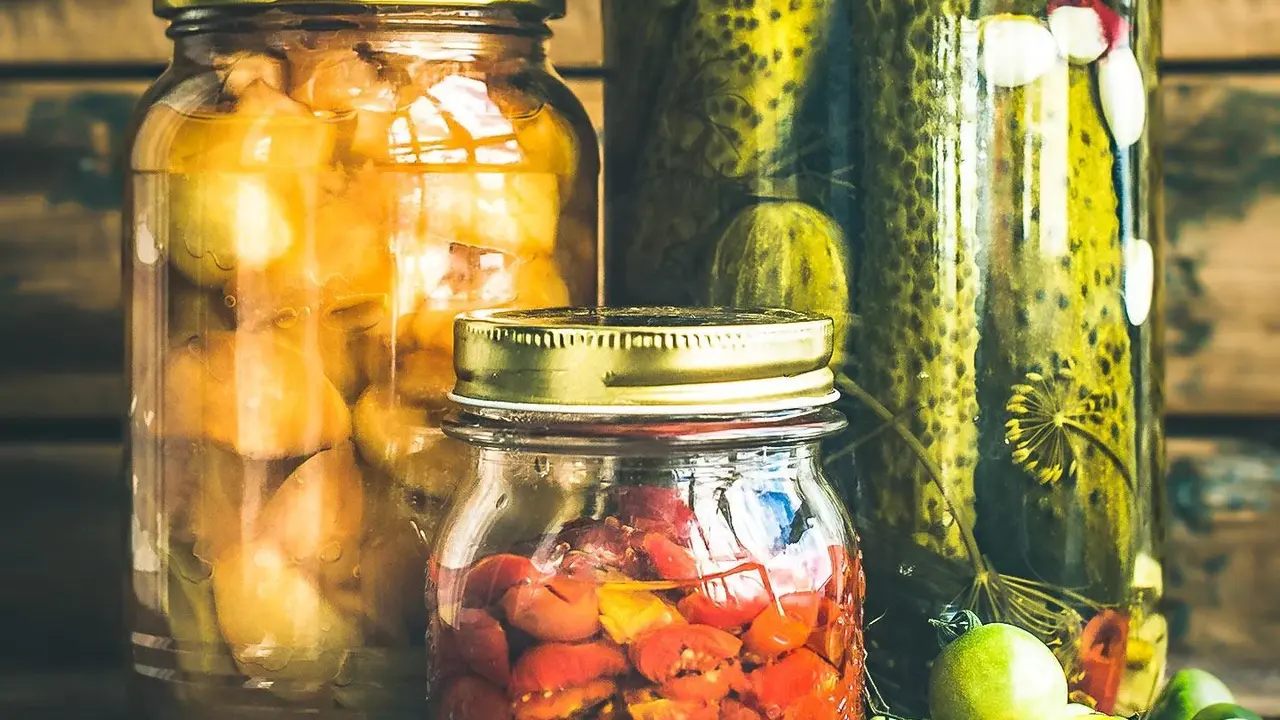
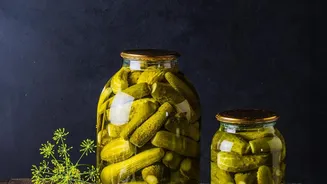
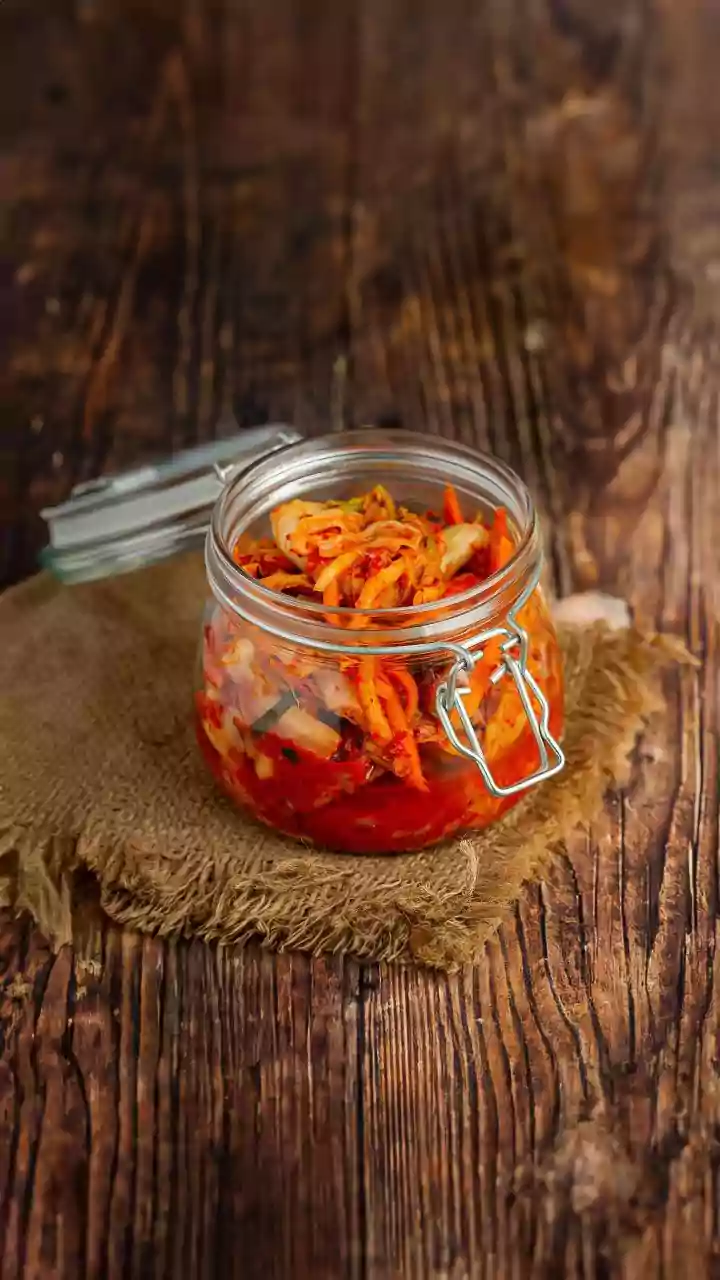
The magic behind most oil-free pickles is lacto-fermentation, an ancient preservation method that relies on salt, water, and the naturally occurring bacteria on vegetables. Instead of being submerged in oil, vegetables like carrots, cauliflower, or lemons are brined in a salt solution. This environment encourages the growth of beneficial bacteria, such as Lactobacillus, which convert sugars into lactic acid. This acid acts as a natural preservative, inhibiting the growth of spoilage microbes while infusing the pickle with its characteristic tangy flavour. The result is a vibrant, crunchy pickle teeming with probiotics, the 'good' bacteria known to support gut health, aid digestion, and boost immunity.
Beyond Mango: A World of Oil-Free Achaar
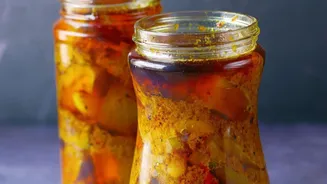
While mango pickle is iconic, the world of oil-free preservation is incredibly diverse. Many of these pickles have been regional staples for centuries. Think of 'kanji,' a popular North Indian fermented drink and pickle made with black carrots, beetroot, and mustard seeds, where the vegetables are preserved in pungent, probiotic-rich water. Another classic is the oil-free lemon pickle, where lemons are preserved simply with salt and their own juice, softening over time into a tangy, flavourful condiment. Modern kitchens are now experimenting with everything from green chillies and garlic to turnips and ginger, using these water or salt-based techniques to create pickles that are light yet intensely flavourful.
The Gut Health Connection
The primary driver behind this trend is the focus on gut health. A healthy gut microbiome is increasingly linked to overall well-being, from digestion and immunity to mood. Commercially produced, vinegar-based pickles often lack the live cultures that make fermented foods so beneficial. Traditional, naturally fermented pickles, however, are a powerhouse of probiotics. Regular, moderate consumption can help maintain a healthy diversity of gut bacteria, potentially reducing issues like bloating and indigestion. Spices commonly used in Indian pickling, such as turmeric, fenugreek, and asafoetida, also contribute their own anti-inflammatory and digestive benefits, making these condiments a small but potent addition to a healthy diet.
Your First Foray into Fermentation
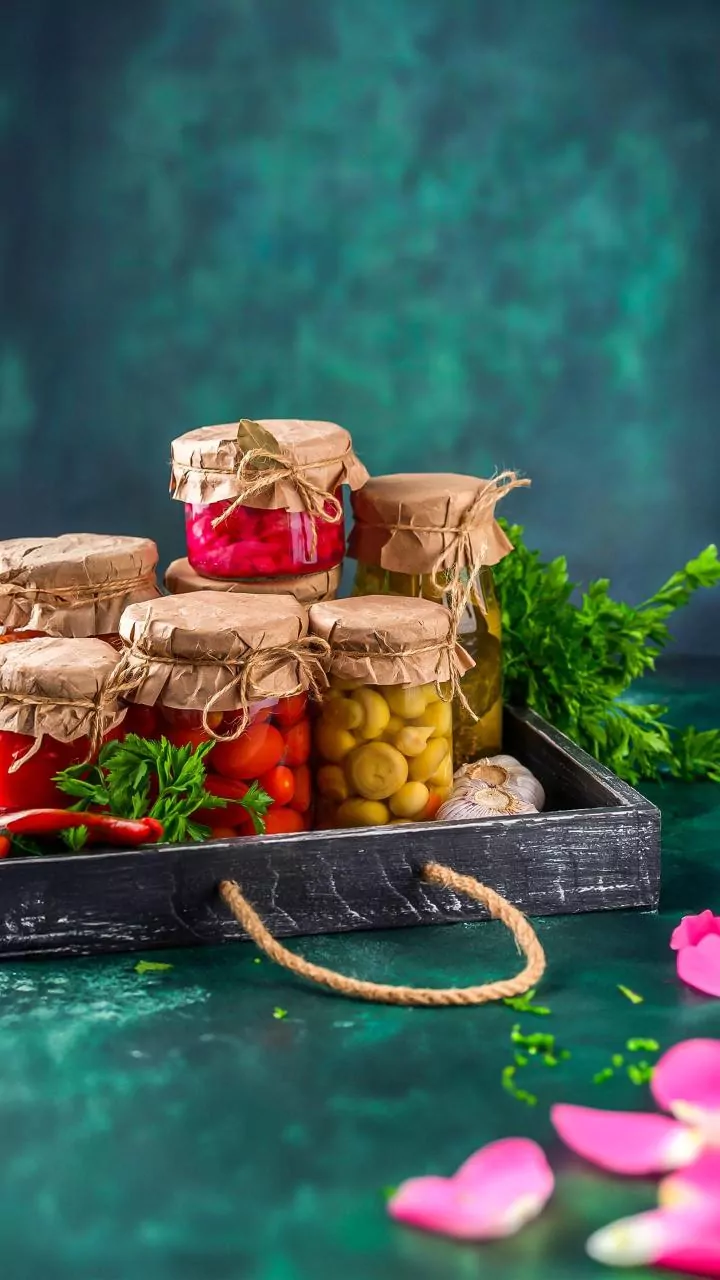
Getting started with oil-free pickling at home is surprisingly simple. All you need is a clean glass jar, vegetables, non-iodised salt, and water. A basic rule of thumb is to create a brine with about 2-3% salt by weight. For instance, for 1 kilogram of vegetables, you would use 20-30 grams of salt dissolved in enough water to cover them. Chop your vegetables—carrots, radishes, and cauliflower are great starters—and place them in the jar. You can add whole spices like mustard seeds, fennel, or a few cloves of garlic. Pour the brine over the vegetables, ensuring they are fully submerged. To keep them under the liquid, you can use a small ceramic weight or even a small plastic bag filled with some brine. Cover the jar loosely and leave it on your kitchen counter for 3-6 days, depending on the room temperature. You'll soon see bubbling, a sign of active fermentation. Once it reaches a taste you enjoy, simply move it to the refrigerator to slow the fermentation process and enjoy with your meals.