








What is a Continuous Glucose Monitor?
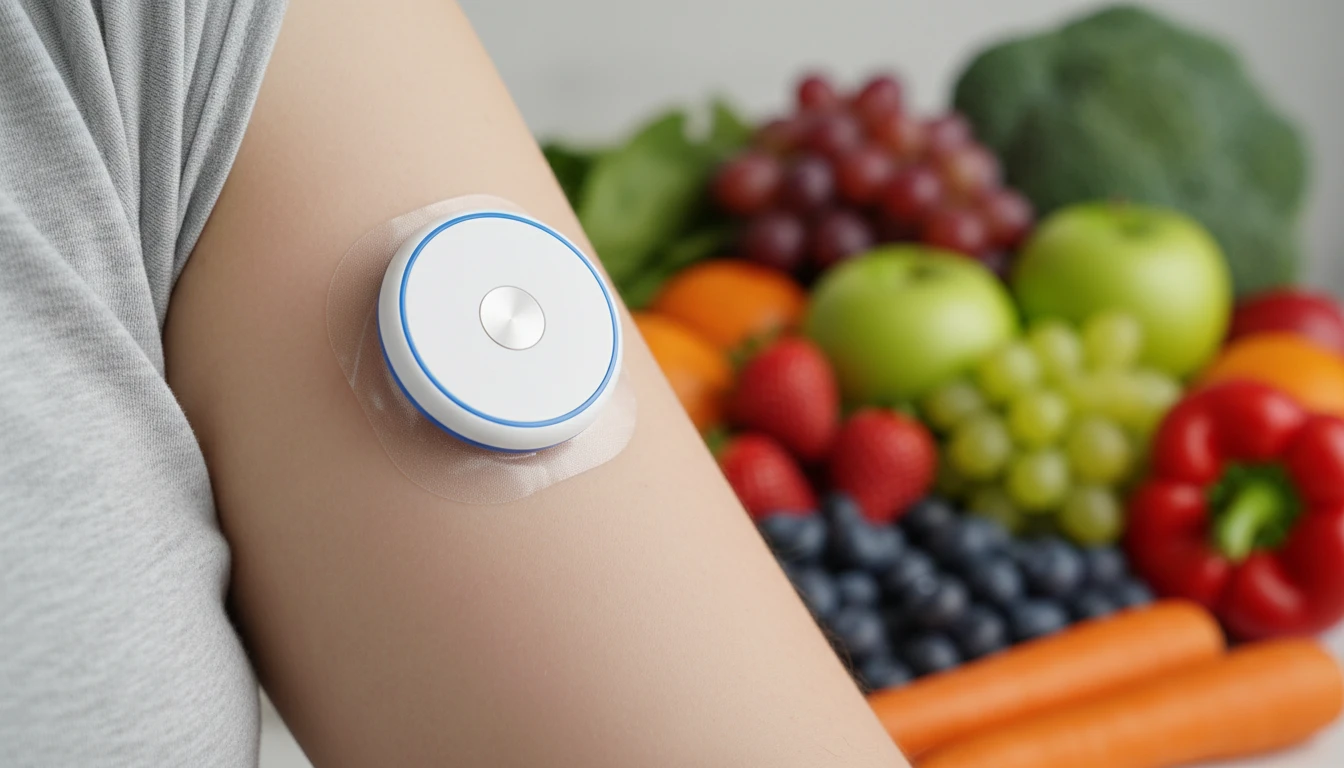
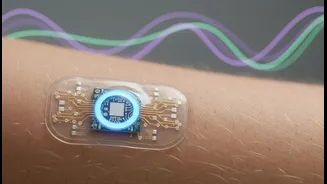
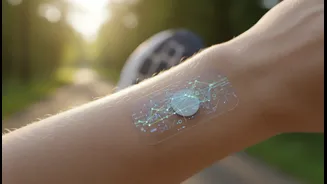
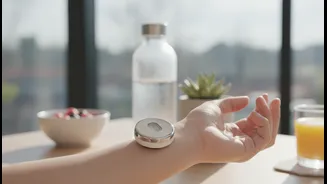
A continuous glucose monitor, or CGM, is a small wearable device that has long been a game-changer for people with diabetes. It consists of a tiny sensor filament inserted just under the skin, typically on the back of the upper arm. This sensor measures
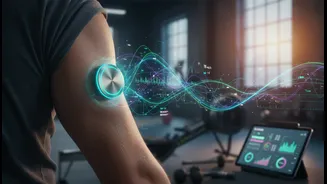
the glucose levels in the fluid between your cells every few minutes, 24/7. The data is then wirelessly sent to a smartphone app, providing a constant stream of information about how your body’s blood sugar is behaving. Unlike a traditional finger-prick test, which gives a single snapshot in time, a CGM provides a dynamic view, showing how glucose levels rise, fall, and trend over hours and days. Most sensors are water-resistant and can be worn for up to 14 days before needing replacement.
The Rise of the 'Glucose Bio-Hacker'
So why would someone without diabetes want this level of data? The trend is driven by a movement known as 'bio-hacking'—a DIY approach to optimising one's own biology using technology and data. These users, often called 'glucose-curious', aren't managing a disease; they're pursuing peak performance, stable energy, and long-term health. The goal is to see exactly how their lifestyle choices—from the food they eat to their exercise, stress, and sleep patterns—affect their metabolic health. By understanding what causes their blood sugar to spike and crash, they hope to fine-tune their habits to maintain more stable energy levels, improve athletic performance, enhance mood, and potentially prevent chronic diseases down the line.
Real-Time Food and Lifestyle Feedback
The core appeal of using a CGM for wellness is the immediate and personalised feedback. You can eat a bowl of oatmeal and see how your glucose responds, then see how that response changes if you add nuts and seeds. This data turns generic dietary advice into a personal experiment. Users might discover that a certain type of bread causes a sharp spike, while another does not. They might learn that a short walk after a meal significantly flattens their glucose curve or that a poor night's sleep makes their blood sugar more volatile the next day. This real-time cause-and-effect can be a powerful motivator for making healthier choices, moving beyond one-size-fits-all diet plans to what truly works for your body.
The Downsides and Expert Caveats
However, this trend is not without its drawbacks and critics. First, there's the cost. In India, a single 14-day sensor like the Abbott FreeStyle Libre can cost between ₹4,000 and ₹5,300, and it is not typically covered by insurance for non-diabetic use. Second, experts warn of the potential for increased health anxiety. Constantly monitoring data can lead to an unhealthy fixation on normal bodily fluctuations, potentially leading to disordered eating habits. Many endocrinologists argue that for a healthy person whose body regulates insulin effectively, minor glucose variations are normal and not a cause for concern. There is currently limited scientific evidence proving clear health benefits for non-diabetic individuals, and experts show poor agreement on how to interpret the data for this population.
Is It a Tool or Just a Toy?
Most medical professionals agree that CGMs are critical, life-saving tools for people with diabetes but remain cautious about their widespread use for general wellness. They stress that a CGM is not a diagnostic tool and that readings can be misinterpreted without proper clinical context. For instance, a post-meal spike might look alarming on a graph, but it's a normal physiological response. Without understanding the bigger picture, users might unnecessarily restrict healthy foods. The consensus is that while a CGM can be an interesting short-term learning tool for a highly motivated individual, it is not a necessity for good health. For most people, focusing on the fundamentals—a balanced diet, regular exercise, stress management, and adequate sleep—will have a far greater impact than tracking every minor glucose fluctuation.