


The Trouble with 'Healthy' Cereals
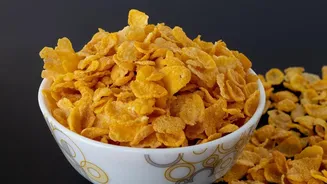
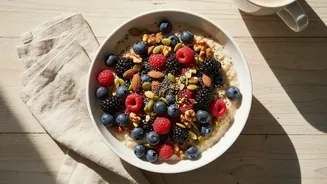
Many breakfast cereals, even those marketed with words like “whole grain” or “high fibre,” can be loaded with added sugars. While they promise a convenient and fortified start to the day, the reality is often a rapid spike in blood sugar followed by a mid-morning
energy slump. Some popular granola and flavoured cereals can contain significant amounts of sugar per serving, starting your day on a path of empty calories rather than sustained nourishment. This cycle of sugar highs and crashes can affect everything from your concentration at work to your subsequent food cravings throughout the day. The processing that makes these cereals quick to prepare can also strip them of the natural fibre that helps regulate nutrient absorption.
The Power of Poha: A Nutrient-Rich Start
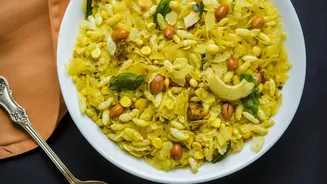
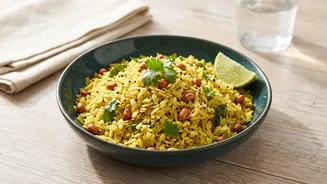
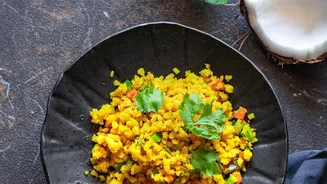
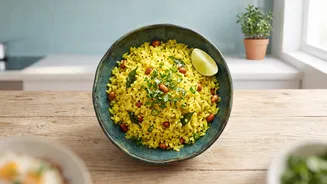
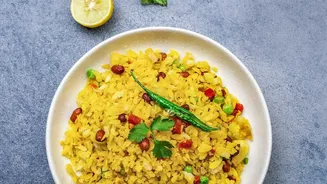
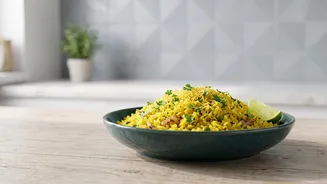
Enter vegetable poha, a beloved breakfast across India that is both light and incredibly satisfying. Made from flattened rice, poha is naturally low in fat and calories but rich in healthy carbohydrates, providing a source of sustained energy. Because it's made from parboiled rice that is then flattened, it is easily digestible and gentle on the stomach. Critically, it has a low glycemic index, meaning it releases energy slowly and helps keep your blood sugar levels stable, preventing the dreaded energy crash associated with sugary foods. The production process also makes poha a surprising source of iron, a crucial mineral for maintaining energy and preventing anaemia.
A Rainbow of Vitamins on Your Plate
The true magic of vegetable poha lies in its versatility and the ease with which it becomes a vessel for essential vitamins and minerals. The addition of colourful vegetables transforms this simple dish into a nutritional powerhouse. Onions, peas, carrots, and capsicum add fibre, which aids digestion and promotes a feeling of fullness. Traditional seasonings do more than just add flavour; turmeric provides anti-inflammatory benefits, while curry leaves are packed with antioxidants. Squeezing fresh lemon juice over your finished poha not only brightens the taste but also adds a dose of Vitamin C, which is vital for helping your body absorb the iron present in the flattened rice. This combination makes for a truly balanced meal to kick-start your day.
Making the Swap Simple and Delicious
Switching from a box of cereal to a plate of poha doesn't have to complicate your morning routine. The dish comes together in under 20 minutes. To make it even faster, you can chop your vegetables the night before. Simply rinse the poha flakes until they soften, then sauté your spices and vegetables. Add the softened poha, mix gently, and cook for a few minutes. Garnishing with fresh coriander and a squeeze of lemon finishes the dish. It’s a one-pan meal that is both quick to prepare and easy to clean up, debunking the myth that healthy, fresh breakfasts are always time-consuming.
Beyond Poha: Other Traditional Swaps
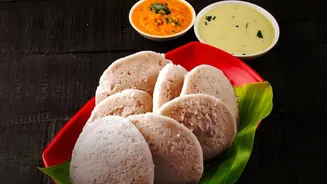
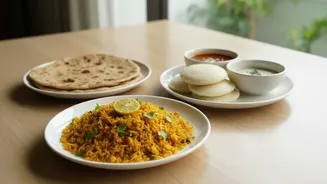
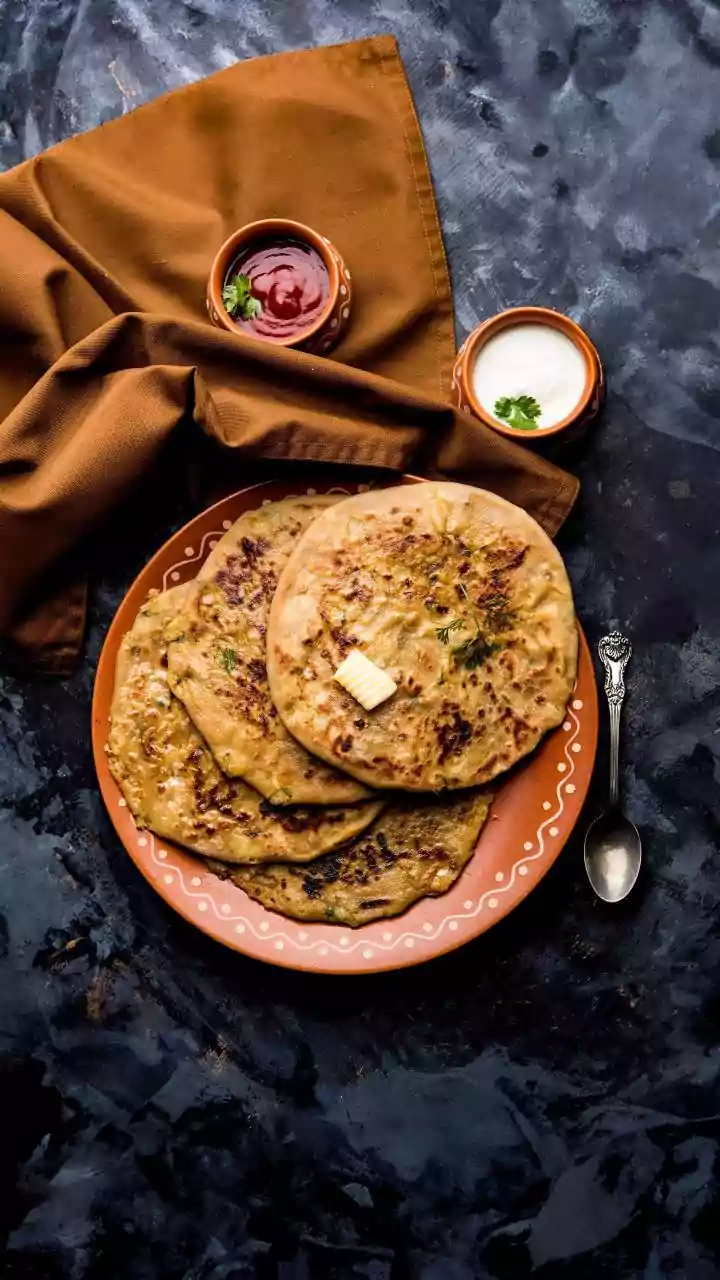
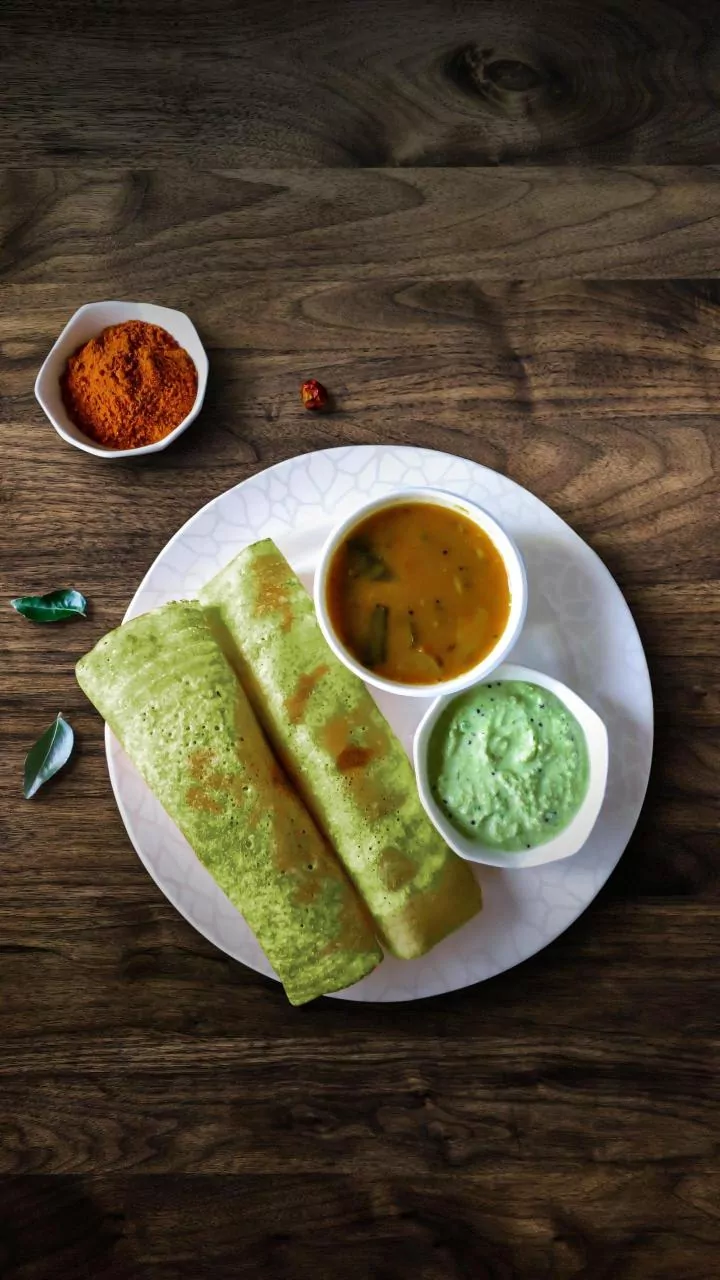
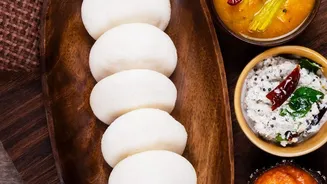
The principle of choosing whole, unprocessed foods for breakfast extends beyond poha. Many traditional Indian breakfasts offer similar benefits over their packaged counterparts. Options like vegetable upma, made from semolina, or besan chilla, a savoury pancake made from gram flour, are excellent alternatives. These dishes are also packed with fibre and can be customized with vegetables to increase their nutritional value. Steamed foods like idli are another fantastic choice, as they are light, easy to digest, and free from the processed sugars and fats found in many Western-style breakfast options. By embracing these traditional meals, you are not just eating healthier; you are reconnecting with a culinary heritage that has always prioritized natural, wholesome ingredients.