




As winter's chill sets in, the warm, nutty aroma of roasted chestnuts becomes irresistible. While street vendors and pre-packaged nuts can be pricey, making them at home from raw chestnuts is a simple, satisfying, and affordable tradition.
The Smart Shopper’s Secret
The primary
advantage of buying whole, raw chestnuts is the significant cost savings. Packaged, pre-cooked, and peeled chestnuts offer convenience but at a premium price. A bag of raw chestnuts, by contrast, gives you a much larger quantity for your money. While prices for street-roasted chestnuts have risen, sometimes costing a significant amount for just a small bag, buying raw nuts puts you in control of your budget. By preparing them yourself, you are paying for the ingredient, not the labour and packaging, making it a far more economical way to enjoy this seasonal delicacy.
A Unique Winter Nutrient
Unlike other nuts, chestnuts are relatively low in fat and calories but rich in carbohydrates and fibre. They are also unique among nuts for their high vitamin C content, although some of this is lost during cooking. Chestnuts are a good source of minerals like potassium and magnesium, as well as B vitamins. Their high fibre content helps in stabilising blood sugar levels, making them a surprisingly wholesome snack. In India, sweet chestnuts are grown in Himalayan states like Himachal Pradesh and Uttarakhand, with the harvest season running from late autumn into winter, making them a true seasonal gem.
Choosing the Best Raw Chestnuts
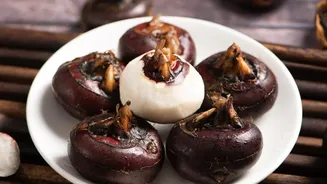
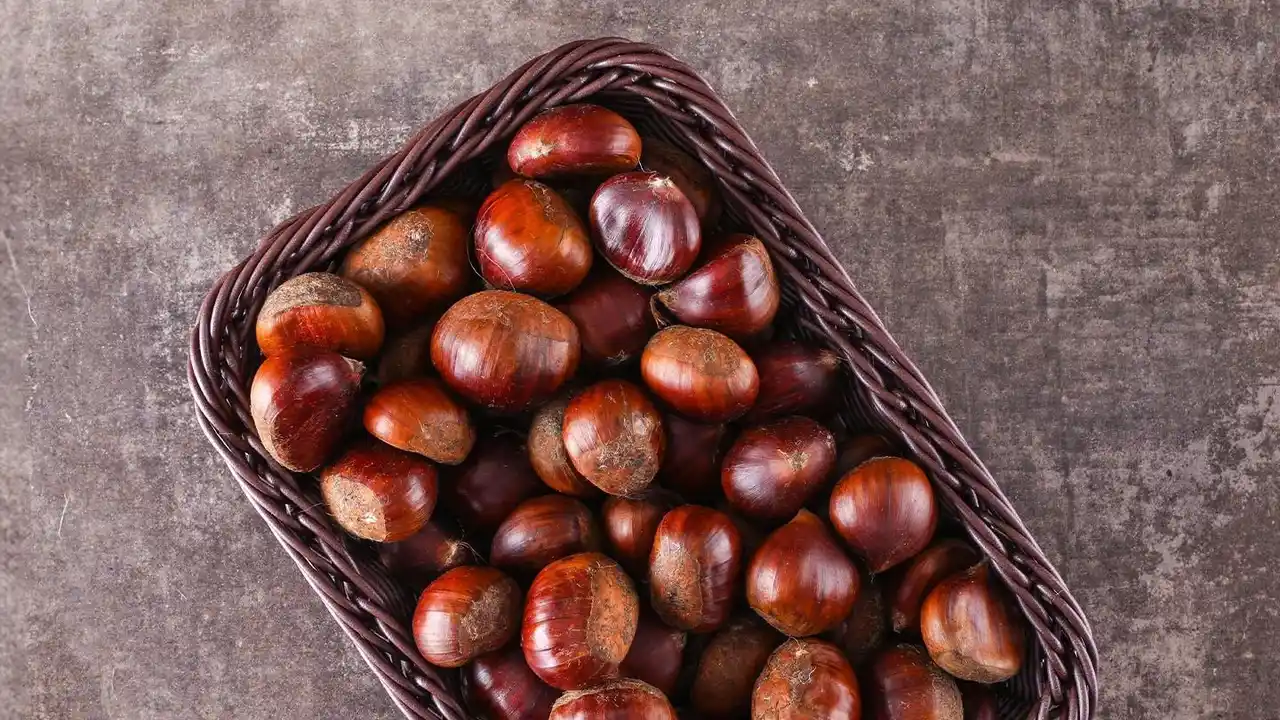
When you're at the market, look for chestnuts that feel firm and heavy for their size. Their shells should be glossy, smooth, and free from any blemishes, cracks, or tiny holes, which could indicate insect damage. Avoid nuts that rattle when you shake them, as this suggests the kernel inside has dried out and is no longer fresh. It is also important to distinguish edible sweet chestnuts (Castanea species), which have a point or tassel at one end, from the toxic, inedible horse chestnut, which is rounded and smooth. In India, be aware of the difference between these sweet chestnuts, often called 'Pahaadi Shah-Baloot', and the water chestnut or 'Singhara', which is a different plant entirely.
How to Store for Lasting Freshness
Because of their high moisture content, raw chestnuts are perishable and should be treated more like fresh produce than dry nuts. To keep them fresh, store them in the coldest part of your refrigerator. Place them in a perforated plastic bag to allow for ventilation and prevent them from spoiling. Stored this way, they can last for a couple of weeks. For longer storage, you can freeze them, either raw or after they have been cooked and peeled.
A Simple Guide to Roasting
Roasting chestnuts at home is easy and fills your kitchen with a wonderful festive scent. First, preheat your oven to around 200°C (400°F). While it heats, use a sharp knife to carefully cut an 'X' on the rounded side of each chestnut. This crucial step allows steam to escape, preventing the nuts from exploding in the oven. Place the scored chestnuts on a baking sheet and roast for 15 to 30 minutes. The exact time will depend on their size. They are ready when the shells split open and the nut inside is tender. Once cooked, wrap the hot chestnuts in a clean towel for a few minutes; the trapped steam makes them easier to peel. Peel them while they are still warm and enjoy immediately.