
Mistake 1: Shopping for Yourself
The most common trap is buying a scent that you love, assuming the recipient will feel the same way. Fragrance is incredibly personal and tied to individual chemistry and memory. What smells divine on you might feel completely wrong for them. Before you shop,
consciously set aside your own preferences. The goal is to match their style, not to find a fragrance you want to borrow. A better approach is to think about their personality and the scents they already wear. That's your true starting point.
Mistake 2: Guessing Their Scent Profile
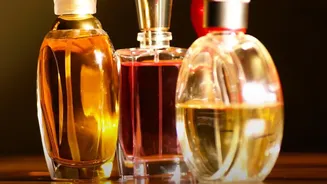
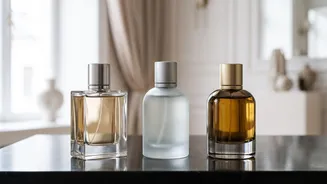
Walking into a store with no information is a recipe for disaster. Instead of guessing, become a gentle detective. Take a look at the fragrance bottles on their dresser; this is your best clue. You don't need to be an expert. Simply noting the names allows you to research them online later. Are they mostly light and citrusy? Warm and spicy? Sweet and floral? Staying within their preferred fragrance family is the safest and most effective strategy. If you can't access their collection, consider their overall style: a person who loves classic, elegant clothes might prefer a timeless floral, while someone sporty might favour fresh, aquatic notes.
Mistake 3: Only Smelling the First Spray
A fragrance is a composition with a beginning, middle, and end. Perfumes are built in a pyramid structure of notes. The 'top notes' are what you smell immediately—often bright, volatile scents like citrus or herbs that are designed to capture your attention but fade within 15 minutes. The 'heart notes' emerge next, forming the main character of the scent—usually florals, fruits, or spices. Finally, the 'base notes' anchor the fragrance, lasting for hours with rich ingredients like woods, musk, or vanilla. A quick sniff of a paper strip only reveals the fleeting top notes. To truly understand a scent, you have to let it evolve.
Mistake 4: Relying Only on Paper Testers
Paper blotters are great for an initial impression, but they can't tell you the most important thing: how the fragrance will react with the recipient's unique skin chemistry. A scent can smell completely different from one person to the next. If you're shopping for a close partner or family member and the gift isn't a total surprise, the best test is on their skin. Otherwise, if you have a sample, testing it on your own skin is a closer approximation than paper. Let it sit for at least 30 minutes to an hour to experience how the heart and base notes develop before making a final decision.
Mistake 5: Ignoring the Concentration
The terms 'Eau de Toilette' and 'Eau de Parfum' aren't just fancy jargon; they indicate the concentration of fragrance oil, which affects both longevity and intensity. An Eau de Toilette (EDT) typically has a lower concentration (5-15%) and is lighter, making it suitable for daily wear but lasting only a few hours. An Eau de Parfum (EDP) has a higher concentration (15-20%), lasts for six to eight hours, and offers a richer scent experience. Choosing an EDP of a scent they love can be a great upgrade, but a powerful EDP might be too much for someone who prefers a subtle, office-friendly EDT.
Mistake 6: Gifting a Full Bottle Blindly
If you're even slightly unsure, committing to a large, expensive bottle is a risky move. A much safer and equally thoughtful alternative is a discovery or trial set. Many brands offer curated collections of their bestselling scents in smaller vials. This allows the recipient to explore different options without the pressure of committing to a single fragrance. It turns the gift into an experience, letting them find a new favourite they genuinely love. It's the perfect solution for someone new to fragrance or a connoisseur who enjoys variety.