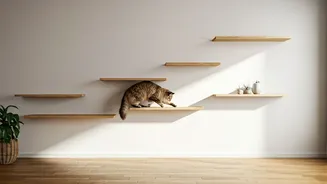





Why Your Cat Craves Height
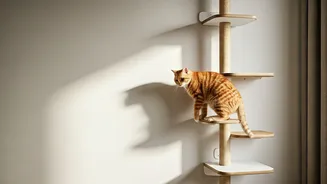
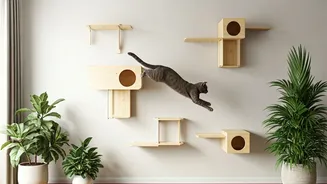
In the wild, a cat’s ancestors used high vantage points for safety and hunting. Climbing allowed them to survey their territory for predators and prey alike. This instinct remains deeply ingrained in our domestic feline friends. Providing vertical space
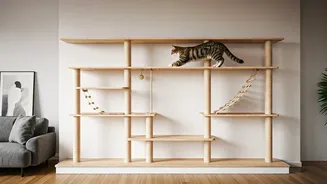
isn't just a luxury; it's a fundamental part of creating a stimulating and secure environment. For cats in multi-pet households, vertical territory helps establish hierarchy and provides an escape from a pestering dog or another cat. For a solitary cat, it offers a safe retreat and a prime spot for a sun-drenched nap. By building upwards, you effectively expand your cat's living area without taking up valuable floor space, making it a perfect solution for smaller homes and apartments.
The Ideal Combo: Wood and Jute
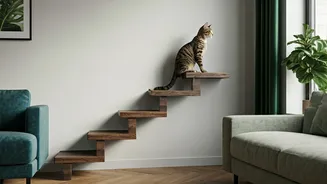
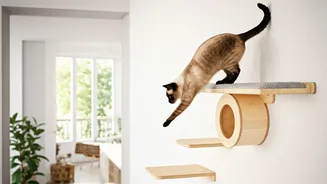
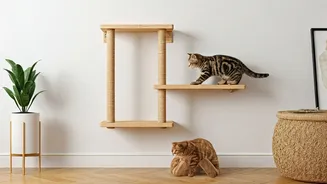
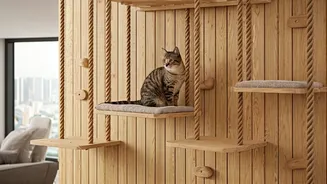
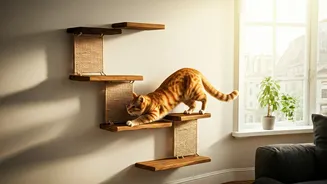
The pairing of solid wood planks with natural jute rope is a winning formula for cat-friendly design. Wood, whether it's pine, oak, or another sturdy variety, provides the structural integrity needed to safely support your cat's weight. Floating planks, when mounted correctly, offer a clean, modern aesthetic that blends seamlessly with most home decor. The jute wrapping is what truly elevates these steps from simple shelves to functional climbing structures. Jute is a coarse, durable fibre that provides excellent grip for your cat’s claws as they ascend and descend. This texture not only makes climbing safer but also satisfies their natural urge to scratch. By giving them a designated, appealing scratching surface, you might just save your sofa arms from destruction. The rope encourages them to engage their claws, which helps with nail health and provides a great physical and mental outlet.
Buying vs. Building: Your Options
You have two main paths to creating this feline paradise: buying a pre-made kit or embarking on a DIY project. Pre-made sets from brands and Etsy sellers offer convenience and professionally finished components. They typically come with all the necessary hardware and instructions, taking the guesswork out of the equation. This is the best route if you're not confident with tools or are short on time. On the other hand, the DIY approach offers complete customisation. You can choose the exact type of wood to match your furniture, select the plank sizes to fit a specific wall, and space them perfectly for your cat's agility level. A DIY project can also be more budget-friendly if you already have some basic tools. You’ll need solid wood planks, a good length of 1/4-inch or 3/8-inch jute rope, a staple gun, and sturdy L-brackets or floating shelf hardware. The key is to not compromise on the quality of materials, especially the mounting hardware.
The Non-Negotiable Guide to Safe Installation
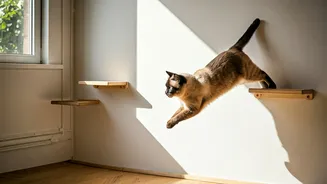
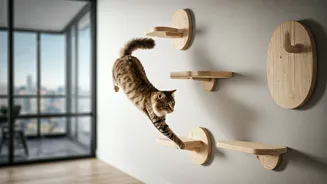
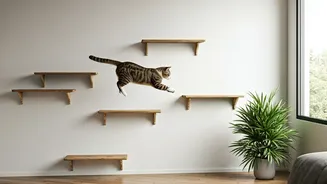
Whether you buy or build, safety is paramount. A poorly mounted shelf can lead to serious injury. The single most important step is to locate the wall studs. A stud finder is an inexpensive and essential tool for this job. Drywall alone is not strong enough to hold a cat’s weight, especially when they are leaping from one step to another. Always screw your brackets directly into the wooden studs. If a stud isn't perfectly positioned, use heavy-duty toggle bolt anchors designed for significant weight loads—don't rely on standard plastic drywall anchors. Once installed, test each step rigorously. Apply firm, downward pressure, wiggling it to ensure there is no movement. A good rule of thumb is that if it can’t comfortably support 15-20 kgs of pressure, it isn’t safe for your cat. Space the planks appropriately—close enough for a comfortable step, but far enough to encourage a little jump and keep them engaged.
Location and Introduction
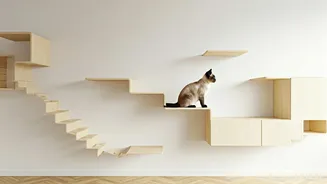
Where you place the stairs matters. A route leading up to a sunny window, a high-up cat bed, or as part of a larger “cat highway” connecting other furniture is ideal. Avoid placing them in a high-traffic hallway where your cat might feel insecure. The goal is to create a private superhighway for your pet. Some cats will take to their new stairs immediately, while others may be more hesitant. Never force your cat onto the steps. Instead, use positive reinforcement. Place their favourite treats on the lower steps to entice them to explore. Use a feather wand or laser pointer (ending the game with a physical toy) to guide them upwards. A little catnip sprinkled on the jute can also work wonders. Be patient, and let them discover their new vertical world on their own terms.