





The End of the Checklist Tour
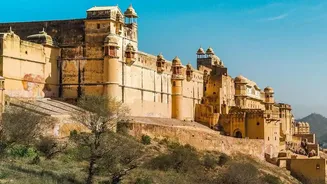
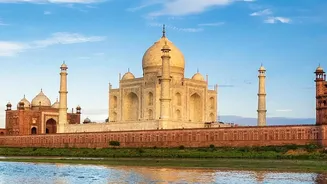
For years, the success of a holiday was often measured by quantity. How many cities did you visit in seven days? How many famous landmarks did you tick off your list? This 'checklist' approach to travel often resulted in a blur of airports, hotel check-ins,
and fleeting photo opportunities. The holiday became more about logistics than leisure, a frantic scramble to prove you had 'done' a place. But this model is losing its appeal. Travellers are increasingly finding that a trip revolving around the same few 'must-see' attractions feels impersonal and exhausting, leaving them with pictures but few lasting stories.
What Changed? The Rise of Deeper Travel
Several factors are driving this significant shift. The post-pandemic mindset has played a huge role, creating a desire for more meaningful and fulfilling pursuits after periods of restriction. Many are looking to escape the structure of daily life, not replicate it with a rigid itinerary. This has fuelled a move away from 'revenge travel'—the urgent need to go anywhere just for the sake of it—towards more deliberate and selective journeys. Relaxation is now a primary motivator for travel. Furthermore, social media's influence has matured; the focus is less on the 'I was here' landmark photo and more on sharing authentic, unique moments and activities, from a cooking class to discovering a hidden local market.
From Sightseeing to 'Sense-Doing'
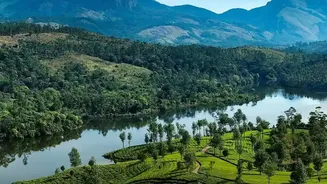
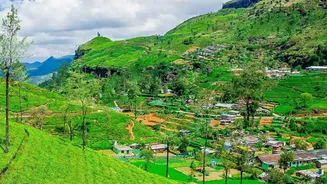
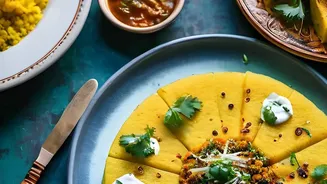
At its heart, this trend is about shifting from passive observation to active participation. Experiential travel, as it's known, is about immersing yourself in a destination. It's the difference between seeing a tea garden and joining a tea-plucking and brewing workshop. It's choosing a village homestay in Uttarakhand or Himachal Pradesh to participate in farming activities over a standard hotel. This could mean learning family recipes from a local host, attending a regional music festival, or exploring a neighbourhood's food stalls instead of just its famous monuments. The question is evolving from 'Where did you go?' to 'What did you do there?'.
The New Travel Ecosystem
This change in traveller behaviour is supported by a growing infrastructure. The boom in boutique hotels, farm stays, and homestays provides the perfect setting for these immersive holidays, offering a genuine connection to local life that larger chains often cannot. In 2022 alone, India saw an 85% growth in homestays. These smaller establishments not only offer authentic experiences but also help funnel tourist income directly into local economies. Digital platforms and niche travel companies are also making it easier for travellers to plan these customised trips, with nearly 93% of young Indian travellers now preferring to plan their own independent journeys over packaged tours.
A More Rewarding Journey
The benefits of this slower, more focused approach to travel are profound. It fosters a deeper connection with destinations and a greater cultural understanding. By staying longer in one place, travellers reduce the stress of constant transit and create space for spontaneity—allowing for unplanned discoveries that often become the most cherished memories. This style of travel is also inherently more sustainable, supporting small, local businesses and encouraging a more mindful footprint. Ultimately, it transforms a simple vacation into an opportunity for personal growth, leaving you with stories that resonate long after you've returned home.