






What is 'Calibrated Tightening'?
Think of the economy as a car. For a while, the RBI was in an 'accommodative' or 'neutral' stance, essentially keeping its foot off the brake to encourage growth. Now, with inflation picking up, it has shifted to 'calibrated tightening'. This means the RBI has started
tapping the brakes, but in a measured and gradual way. The central bank has increased its key lending rate, the repo rate, by 0.25% to 5.50%. This move signals that further rate cuts are off the table for now, and future decisions will likely be either another hike or a pause, depending on how economic conditions unfold. It's a way of cooling down rising prices without slamming the brakes so hard that it stalls economic growth.
Why is the RBI Doing This Now?
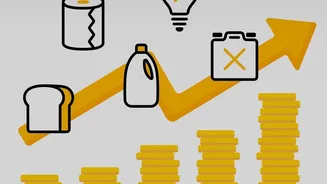
The primary driver behind this decision is rising inflation. Recent data shows that consumer price inflation has been picking up, hitting 4.8% in August 2026. The RBI's own forecast projects inflation to average 5.2% for the financial year. Several factors are contributing to this price pressure. Global events, including the conflict in West Asia, have caused crude oil prices to become volatile, making fuel and transportation more expensive. Domestically, a deficient monsoon and El Niño conditions are creating supply-side pressures on food items like sugar and onions. With economic growth remaining strong and projected at 7.1% for the year, the RBI feels the economy is resilient enough to absorb a modest increase in borrowing costs to keep inflation in check.
The Impact on Your Loans and EMIs
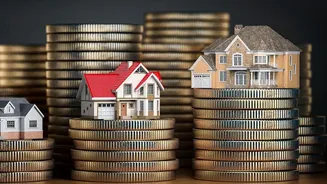
This is where the new rate cycle hits home for many. If you have a floating-rate loan, such as a home loan or a loan against property linked to an external benchmark like the repo rate, your Equated Monthly Instalments (EMIs) are set to rise. As the RBI increases the repo rate, banks will pass on this increased cost to borrowers. For example, on a ₹50 lakh home loan with a 25-year tenure, a 0.25% rate hike could increase your monthly EMI by approximately ₹817. Lenders have two main ways to adjust for this: they can either increase your EMI amount or extend your loan tenure, meaning you pay for a longer period. While one small hike might seem manageable, the 'calibrated tightening' stance suggests that more increases could follow if inflation doesn't cool, leading to a more significant cumulative impact on your household budget.
A Silver Lining for Savers?
While borrowers may feel the pinch, rising interest rates can be good news for savers. As banks increase their lending rates, they also need to attract more funds, which often leads them to offer higher interest rates on deposits. This means that new fixed deposits (FDs) and recurring deposits are likely to fetch better returns. However, this benefit won't be instant. Banks may pass on the rate hike to depositors gradually, and it only applies to new FDs or existing ones upon renewal. If you have money in an existing FD, its interest rate is locked in and won't change until maturity. For those looking to save, this could be a good time to watch for higher FD rates, but remember that the real return also depends on the inflation rate. If prices are rising faster than your deposit interest, your purchasing power still decreases.
What Does This Mean for Overall Spending?
The RBI's move is designed to gently curb overall spending in the economy. Higher EMIs on loans mean households have less disposable income for other expenses, which can dampen demand for everything from cars to consumer durables. The real estate sector is particularly sensitive to interest rates. Higher borrowing costs can make homes less affordable, potentially causing some buyers, especially in the budget-friendly segment, to delay their purchase decisions. Similarly, businesses facing higher borrowing costs may become more cautious about new investments, which could have a ripple effect on job creation and economic expansion down the line. The central bank is walking a tightrope: trying to control inflation without significantly hurting the strong growth momentum the Indian economy is currently experiencing.