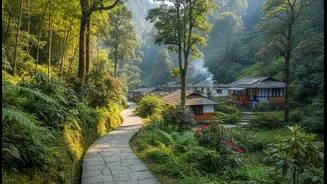









Beyond the Usual Suspects
The travel narrative in North-East India is expanding. While classic destinations like Shillong, Gangtok, and Kaziranga remain popular, a growing number of travellers are seeking experiences beyond these well-trodden paths. This shift is driven by a desire
for authenticity, cultural immersion, and the kind of raw, unspoiled landscapes that smaller, lesser-known hubs provide. The trend reflects a broader change in travel preferences, where the focus has moved from merely seeing a place to truly experiencing it. Instead of a checklist of sights, the new itinerary is about discovering unique cultures, engaging with local communities, and exploring remote natural beauty. This has led to the rise of destinations that were once considered too remote or inaccessible.
Improved Connectivity Changes the Game
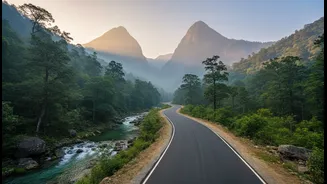
A primary catalyst for this trend is dramatically improved infrastructure. The government's UDAN (Ude Desh ka Aam Naagrik) scheme has been pivotal, operationalising smaller airports across the region and making air travel more affordable and accessible. Airports in places like Pasighat, Tezu, and Rupsi have unlocked access to remote corners of Arunachal Pradesh and Assam. This enhanced air connectivity, coupled with significant upgrades to road and rail networks, has drastically reduced travel times. Destinations that once required long, arduous journeys are now within reach for a weekend trip, opening up a new frontier for explorers and creating economic opportunities for once-isolated communities.
Spotlight: Ziro Valley, Arunachal Pradesh
Once known primarily for its iconic music festival, Ziro Valley is now a year-round destination for those interested in sustainable living and indigenous culture. Home to the Apatani tribe, the valley is a living museum of ecological wisdom, famed for its unique system of cultivating rice and fish together in irrigated fields. Travellers come here not just for the stunning landscapes of lush paddy fields and pine-clad hills, but to experience the Apatani way of life. The rise of homestays allows for an intimate cultural exchange, offering home-cooked meals and firsthand stories from local families, providing a travel experience that is both educational and deeply personal.
Spotlight: Dzukou Valley, Nagaland & Manipur
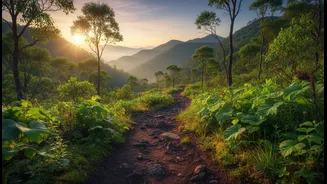
Straddling the border of Nagaland and Manipur, the Dzukou Valley is the poster child for North-East India's adventure tourism potential. Known for its rolling green hills that transform into a carpet of seasonal wildflowers in the summer and monsoon, the valley is a trekker's paradise. The trek itself is a significant part of the experience, attracting adventure lovers and photographers who seek its dramatic landscapes. Nearby villages like Khonoma, recognized as India's first green village, offer community-run homestays where visitors can learn about the conservation efforts of the Angami Naga tribe. This combination of challenging treks and community-based tourism makes it a prime example of the region's layered travel offerings.
Spotlight: Mechuka, Arunachal Pradesh
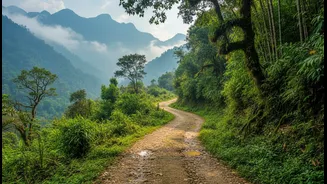
Tucked away in the Shi-Yomi district close to the Indo-China border, Mechuka is often called the 'Shangri-La of the Northeast'. Until recently, its remoteness kept tourist footfall low, preserving its pristine Himalayan scenery. The valley, with the Siyom River flowing through it, is dotted with Buddhist monasteries and traditional villages of the Memba tribe. Mechuka offers a sense of true isolation and tranquillity, appealing to travellers looking to disconnect and immerse themselves in raw nature. Homestays here provide simple, authentic lodging, allowing visitors to interact directly with the local community and experience a side of Arunachal Pradesh that feels worlds away from the more popular Tawang circuit.
The Rise of Community-Led Tourism
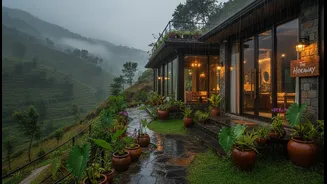
Underpinning this entire shift is the homestay revolution. Across states like Meghalaya, Nagaland, and Arunachal Pradesh, staying with a local family is no longer just a budget option; it's the preferred way to travel. Homestays offer unparalleled cultural access, from sharing traditional meals to learning about local customs and stories directly from the source. This model of community-based tourism ensures that revenue flows directly into local economies, empowering small households and promoting sustainable practices. It transforms a simple holiday into a meaningful exchange, where travellers leave with a deeper understanding and connection to the place they visited.