





Cardiovascular Health: The Fast and The Focused
Skating is a powerful cardiovascular workout. Whether on quads or inline skates, the continuous motion elevates your heart rate, comparable to jogging or cycling. A vigorous session can burn between 300 and 600 calories an hour, making it an effective
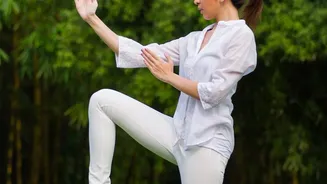
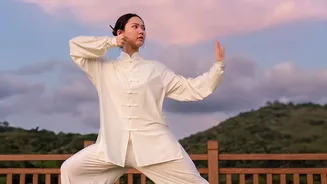
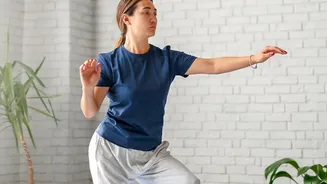
aerobic exercise for improving heart health and endurance. In contrast, Tai Chi is a low-impact exercise often called 'meditation in motion'. While generally not considered an intense cardio workout, studies show that regular practice can improve cardiovascular health, help lower high blood pressure, and improve circulation, especially for those who are sedentary or have certain health conditions.
Strength and Muscle Building
Skating is a fantastic workout for your lower body and core. Every push and glide targets your glutes, quads, hamstrings, and calves. The need to maintain balance heavily engages your abdominal and lower back muscles, building core strength over time. Tai Chi also builds strength, but in a different way. The slow, controlled movements and sustained postures challenge both lower and upper body muscles, comparable in some ways to resistance training without weights. It is particularly effective at strengthening the deep stabilizing muscles in your core, which are crucial for posture and balance.
Balance, Coordination, and Flexibility
Both activities are champions when it comes to improving balance, but they achieve it through different means. Skating constantly challenges your stability while in motion, forcing your body to make quick adjustments and improving dynamic balance and reflexes. Tai Chi, on the other hand, develops balance through slow, deliberate weight shifts and a deep focus on body awareness, or proprioception. This practice teaches you how to maintain your centre of gravity with controlled precision. While skating can improve flexibility through its range of motion, Tai Chi's gentle, flowing movements are specifically designed to increase the flexibility and range of motion in joints and muscles.
Impact on Joints and Safety
This is a major point of difference. Skating is considered a low-impact sport compared to running, as the gliding motion is smoother and gentler on the joints. Studies have shown it creates significantly less impact stress on the knees and hips. However, there is always a risk of falling, making protective gear like helmets and wrist guards essential. Tai Chi is exceptionally low-impact, with slow, gentle movements that place minimal stress on joints and are never forced. This makes it an ideal and safe option for people of all ages, including those with arthritis, joint pain, or who are recovering from surgery.
The Mental Game: Stress Relief and Focus
The mental benefits of both activities are significant. Skating, especially outdoors, can be a joyful and freeing experience that releases endorphins, reduces stress, and boosts mood. The focus required to balance and navigate can create a 'flow state', quieting anxious thoughts. Tai Chi is fundamentally a mind-body practice. Often described as meditation in motion, its emphasis on deep breathing and focused movement is proven to significantly reduce stress and anxiety. It cultivates mindfulness and a sense of inner calm, improving overall mental well-being.
Which is Right for Your Fitness Level?
For Beginners or those with health concerns: Tai Chi is an excellent starting point. It's accessible to almost any fitness level and can be adapted for those with mobility issues, even practiced while seated. For those seeking a high-energy, calorie-burning workout: Skating is the clear winner. If you're looking to build cardiovascular endurance and lower-body power in a dynamic way, lacing up a pair of skates is a great choice. For a balanced, holistic approach: Many people find value in doing both. Using skating for an intense cardio session and Tai Chi for recovery, balance, and mental calm can provide a well-rounded fitness regimen that addresses both body and mind.