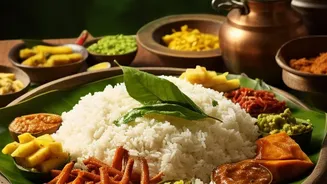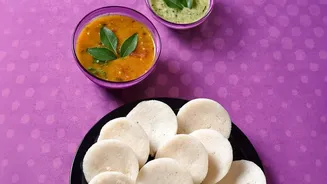

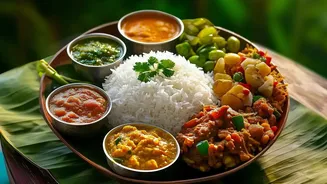

A simple bowl of rice is a canvas for flavour, yet many of us stick to the same routine. The secret to transforming this everyday staple into a regional delicacy lies not in complex techniques, but in the magic of aromatic spice blends.
The All-Rounder: Pulao Masala
Pulao, the gentler,
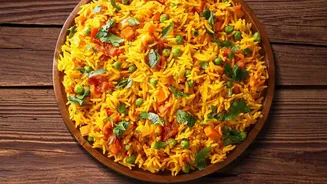
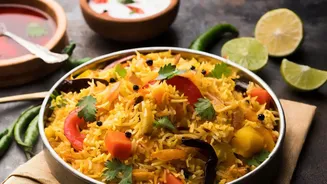
less intensive cousin of biryani, is a staple across many Indian homes. Its beauty lies in its fragrant, clean flavour, where the rice and vegetables remain the stars. The secret is the Pulao Masala. Unlike heavier biryani blends, this powder is designed for subtlety and warmth. A typical mix includes a base of coriander seeds for a mild, citrusy note, with cumin providing earthy warmth. Whole spices like cloves, cinnamon, green cardamom, and bay leaf are crucial for building its signature fragrance. A touch of black pepper, star anise, or mace can add layers of complexity. To use it, simply bloom the masala in hot oil or ghee for about thirty seconds before adding your vegetables and rice. This quick step awakens the essential oils in the spices, ensuring the aroma infuses every grain.
From Maharashtra: Goda Masala
Travel west to Maharashtra, and you'll find Goda Masala, a distinctive blend with a hint of sweetness. The name 'Goda' translates to sweet, which separates it from the more fiery masalas of other regions. Its unique profile comes from ingredients like dry coconut (khobra) and sesame seeds, which are roasted to lend a nutty, slightly sweet flavour. It also features a special ingredient called 'dagad phool' or stone flower, which imparts a smoky, earthy aroma that is quintessentially Maharashtrian. Other components include coriander seeds, cumin, and a host of aromatic whole spices. Traditionally used in lentil dishes (amti) and vegetable preparations, Goda Masala is fantastic in 'Masale Bhaat', a regional speciality where rice is cooked with vegetables and this fragrant spice mix. The roasted, slightly coarse texture of the masala gives the rice dish a wonderfully rustic character.
The Pride of Karnataka: Bisi Bele Bath Powder
From Karnataka in the south comes Bisi Bele Bath, a hearty one-pot meal of rice, lentils, and vegetables. The name literally means 'hot lentil rice dish', and its soul is the complex spice powder used to make it. This masala is a masterful blend of not just spices but also roasted lentils like chana dal and urad dal, which act as a thickening agent and add a nutty depth. Key spices include coriander seeds, Byadagi red chillies (for colour more than heat), cinnamon, cloves, cumin, and often kapok buds (marathi moggu). The blend is mixed with tamarind water and jaggery, creating a perfect balance of spicy, sour, and sweet that defines the dish. While making the full dish is a project, you can borrow its essence by adding a spoonful of this powder to a simple vegetable and rice pilaf for an instant flavour upgrade.
A Bengali Finishing Touch: Bhaja Moshla
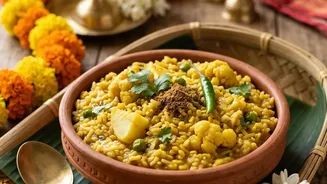
In Bengali cuisine, flavour is often added at the end with a sprinkle of 'Bhaja Moshla', which means 'roasted spice'. Unlike masalas that are cooked into a dish, this is a finishing powder, designed to add a final burst of aroma. The most basic and common version consists of just two or three ingredients: cumin seeds, coriander seeds, and dried red chillies, all dry-roasted until fragrant and then ground into a coarse powder. Some family recipes might also include fennel seeds or bay leaf. Because the spices are already toasted, their flavour is deep, nutty, and immediately available. While not typically cooked into rice, a light sprinkle over a simple lentil and rice dish like khichdi just before serving can elevate it with a wonderfully smoky and aromatic character that is unmistakably Bengali.