




The Problem with Modern Shoes
Our feet are marvels of engineering, with dozens of bones, joints, and muscles designed to adapt to varied terrain. However, from a young age, we encase them in rigid, cushioned shoes. While footwear protects us, it also acts like a cast, preventing the small
muscles in our feet from doing their job. Over time, these muscles weaken and our arches can become less supportive. This creates a weak foundation for the entire body. Think of it like building a house on unstable ground; eventually, cracks will start to show higher up in the structure. For our bodies, those cracks manifest as poor posture, knee pain, and even back problems.
How Barefoot Walking Helps Posture
When you walk barefoot, you re-engage with a process called proprioception—your body's ability to sense its position in space. The thousands of nerve endings in your soles send a flood of information to your brain about the texture and angle of the ground. This forces your foot and ankle muscles to make constant micro-adjustments to maintain balance. As these intrinsic foot muscles get stronger, they provide better support for your arches. This improved foundation travels up the kinetic chain: your ankles align better, which in turn helps align your knees, hips, and ultimately, your spine. You naturally begin to stand taller and move more efficiently, not because you're consciously trying, but because your body's base is finally stable and supportive.
Your Five-Minute Barefoot Ritual
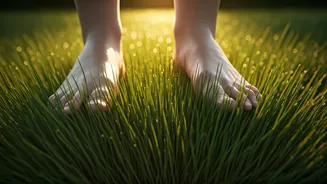
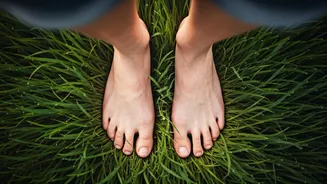
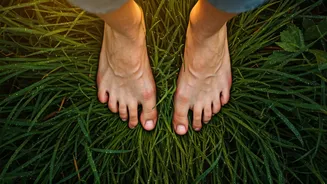
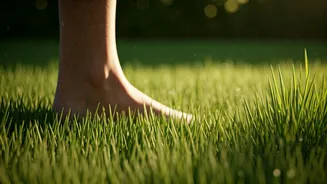
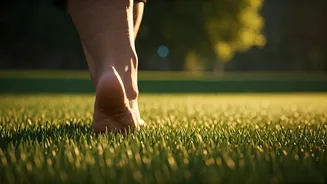
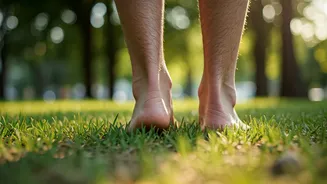
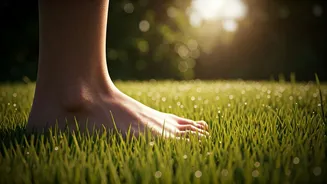
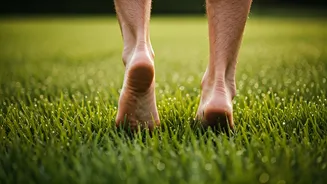
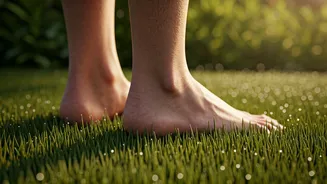
Getting started is simple, but it’s important to do it correctly. You don’t need to go on a long hike; just five minutes a day is enough to start seeing benefits. 1. **Choose Your Surface:** Begin on a soft, safe surface like a clean lawn in a park, a mossy patch, or a sandy beach. Avoid hard, unforgiving concrete or potentially hazardous areas with sharp objects. 2. **Start Slow:** For the first few sessions, just stand barefoot on the grass for a few minutes. Feel the ground beneath you. Then, begin walking slowly. Pay attention to how your foot lands. Instead of a hard heel strike, aim for a softer, more mid-foot landing. 3. **Focus on Form:** Walk mindfully. Spread your toes. Feel how your weight shifts from your heel, through the arch, and pushes off from your toes. This sensory feedback is the entire point. Keep your walks short initially to avoid soreness as your feet adapt.
Benefits Beyond Better Posture
While improved posture is a significant benefit, taking your shoes off has other perks. The practice of “grounding” or “earthing”—having direct skin contact with the earth's surface—is believed by proponents to have a calming effect, potentially reducing stress and improving sleep. By directly feeling the ground, you enhance your balance and body awareness, which can reduce the risk of falls, especially as you age. Furthermore, the simple act of walking barefoot in nature provides a powerful sensory experience that can feel meditative, helping you disconnect from digital distractions and reconnect with your environment. It’s a small moment of mindfulness that can have an outsized impact on your mental well-being.
Walk Smart and Stay Safe
While the benefits are compelling, safety is paramount. Before you kick off your shoes, always scan the area for potential hazards like glass, sharp stones, thorns, or animal waste. If you are new to barefoot walking, your soles will be tender. Build up your time gradually to avoid blisters or strain. It’s also crucial to consider your health. Individuals with diabetes or peripheral neuropathy should be extremely cautious and consult their doctor before trying barefoot walking, as reduced sensation in the feet increases the risk of undetected injuries that could lead to serious infections. For most people, the key is to start slow, listen to your body, and choose your environment wisely. Your feet will thank you for it.