


Anatomy of a Catastrophe
The fall was as swift as it was brutal. Fresh off being crowned T20 World Champions in early 2026, the Indian team embarked on a European tour that descended into a nightmare. First, a historic and humiliating 0-2 series loss to Ireland, a team that had
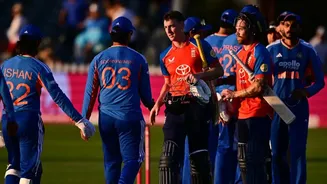
never beaten India in a T20I series. Fans had barely processed the shock when the team traveled to England, where a powerful home side inflicted a crushing 4-0 defeat in the five-match series, with one game washed out. It was a startling collapse, marking India's longest-ever winless streak in T20I cricket and prompting widespread criticism from fans and pundits alike. The fact that these defeats came just months after reaching the pinnacle of the sport made them even more jarring.
The Captain in the Crosshairs
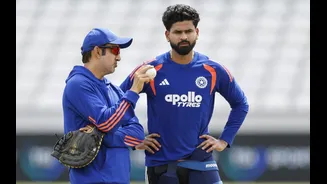
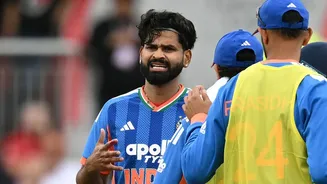
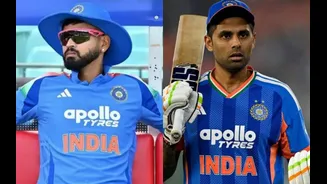
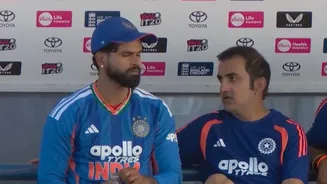
At the centre of this crisis is Shreyas Iyer, who was handed the T20I captaincy for the first time on this tour. Taking over from World Cup-winning skipper Suryakumar Yadav, who was presumably rested, Iyer's tenure began with a trial by fire. He has now presided over two consecutive series losses without a single victory under his belt. The optics are damning: a new captain overseeing a champion team's inexplicable implosion. Iyer himself has acknowledged the severity of the situation, calling one performance “atrocious” and “unacceptable” after a particularly heavy 125-run loss to England where India was bowled out for just 76. The Board of Control for Cricket in India (BCCI) has already stated it will review the team's dismal performance, placing Iyer's leadership under intense scrutiny from its very inception.
A Leader's Lone Battle
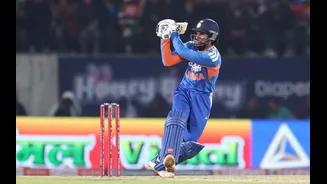
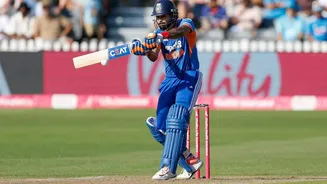
To blame Iyer the batsman, however, would be unfair. While his team crumbled around him, he often fought a solitary battle. In the fourth T20I against England, he single-handedly propped up the Indian innings with an unbeaten 80 off 49 balls — his highest score in T20 internationals. This performance was a continuation of his stellar form in the IPL 2026, where he amassed nearly 500 runs and captained Punjab Kings with authority, leading many analysts to believe his earlier exclusion from the national T20 squad was unjust. His individual skill is clearly not the issue; he has shown he has the temperament and technique to succeed. The problem is that his personal form has not been enough to lift a team that appears to be collectively failing.
Beyond the Captaincy
The reasons for this slump are deeper than a change in leadership. Reports from the tour point to a systemic batting failure. An Indian batting lineup packed with IPL stars seemed unable to cope with the moving ball and different conditions in Ireland and England. In the first series, Iyer noted that the batters fell short in analysing the wicket and were outplayed. Against England, lopsided defeats by 9 wickets and 125 runs highlighted a chasm in performance, with poor shot selection and an inability to build partnerships plaguing the visitors. It suggests a collective complacency and a failure to adapt, issues that a captain alone cannot solve overnight. The back-to-back whitewashes are not just a reflection on Iyer, but on the entire team and its preparation.
The Road to Redemption
So, can Shreyas Iyer turn things around? The question is no longer about a star player riding in as a saviour; it is about a new leader's ability to pull his team out of a deep and unexpected trough. The path forward is not easy. It will require more than just personal runs. Iyer must now prove he can rally a demoralised dressing room, work with the management to address the tactical blunders exposed on this tour, and rebuild the team's shattered confidence. He has the credentials — a history of strong IPL captaincy and a calm demeanour. But translating that to the international stage after such a disastrous start will be his greatest challenge yet. His resilience, not just his elegance with the bat, is now on trial.