






The Urban Heat Island Effect
Indian cities are rapidly becoming 'heat islands', where temperatures can be significantly higher than in surrounding rural areas. This phenomenon is driven by the replacement of natural landscapes with concrete, asphalt, and other heat-absorbing materials.
Densely packed high-rises obstruct wind flow, trapping heat and pollutants at street level. Modern construction often relies on materials like concrete and brick with high thermal mass, which absorb the sun's heat all day and radiate it back into the environment and our homes throughout the night, offering little to no relief.
The Forgotten Art of Cross-Ventilation
For generations, traditional Indian architecture masterfully used design to combat heat. Structures like the havelis of Rajasthan and the nalukettu homes of Kerala were natural ventilation machines. They incorporated central courtyards (aangans), perforated screens (jaalis), and strategically placed openings to create continuous airflow. Jaalis, for example, use the Venturi effect to cool air as it passes through smaller openings. Courtyards create a 'stack effect', where warm air rises and escapes, pulling cooler air in from below. These passive cooling techniques worked in harmony with the local climate to ensure thermal comfort without electricity.
Why Modern Apartments Suffocate
In stark contrast, many modern apartments are designed in ways that actively prevent airflow. A common flaw is the single-orientation layout, where windows are present on only one side of the flat, making cross-ventilation impossible. The path for air to enter, move through the home, and exit on an opposite side is blocked. Deep floor plans, sealed balconies, and a lack of vents compound the problem, leading to stagnant, stuffy indoor environments. This poor design forces a heavy reliance on air conditioning, which, while providing indoor relief, pumps more waste heat outside, further intensifying the urban heat island effect.
Designing for a Cooler Tomorrow
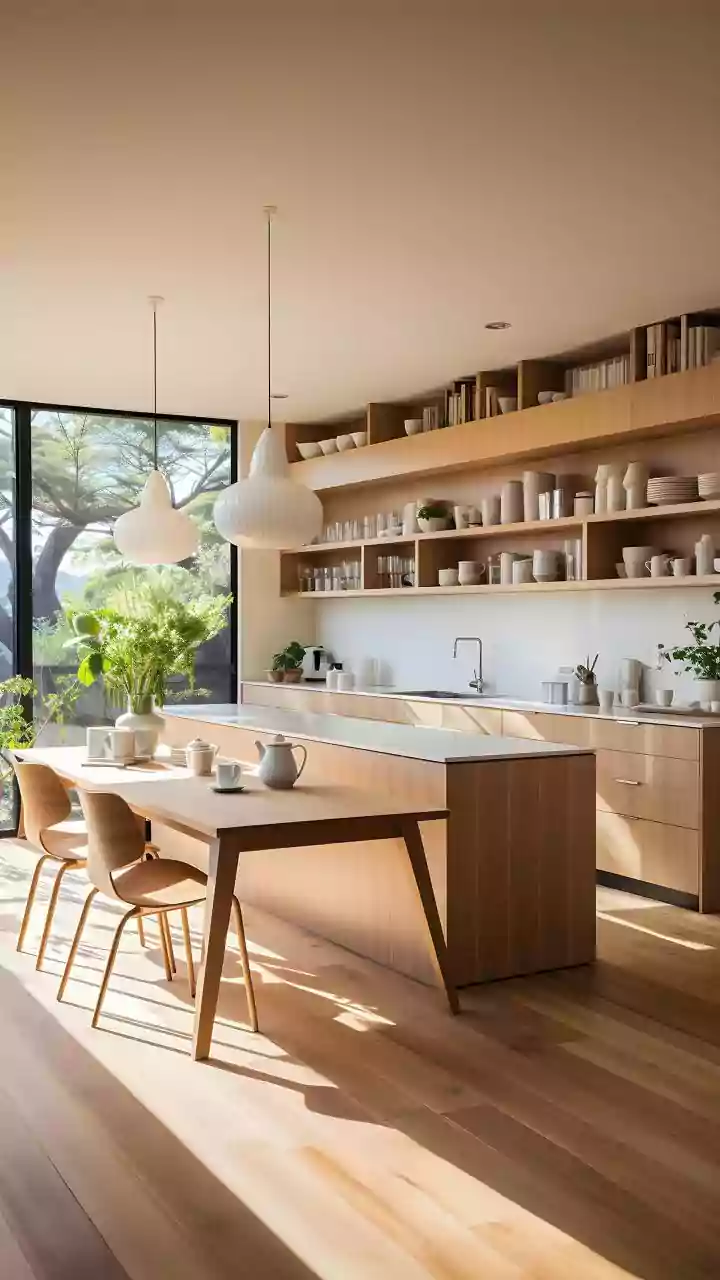
The solution lies in blending ancient wisdom with modern innovation. Architects and urban planners are revisiting passive cooling strategies. This includes designing buildings with openings on opposite walls to facilitate cross-breeze, orienting buildings to align with prevailing winds, and using shaded balconies and louvres to block direct sunlight. Beyond individual buildings, urban planning needs to prioritize 'blue-green infrastructure'—increasing tree cover, protecting water bodies, and creating parks. Cool roofs, which use reflective materials to reduce heat absorption, have been shown to lower indoor temperatures by several degrees. Ahmedabad's Heat Action Plan, for instance, includes a successful cool roof initiative.