

Why Protein Matters After a Workout
Every time you complete a strenuous workout, your muscle fibres experience tiny micro-tears. This is a normal part of the process of getting stronger. To repair this damage and build new, stronger muscle tissue, your body needs protein. Specifically,
it needs amino acids, the building blocks of protein. Consuming a protein-rich meal after exercise kicks off a process called muscle protein synthesis (MPS), which is essential for recovery and growth. Without adequate protein, your efforts in the gym won't translate into the muscle gains you're working towards.
The Power of Plant Protein
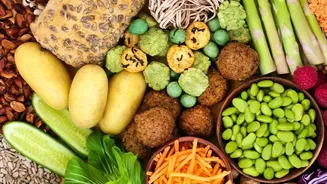
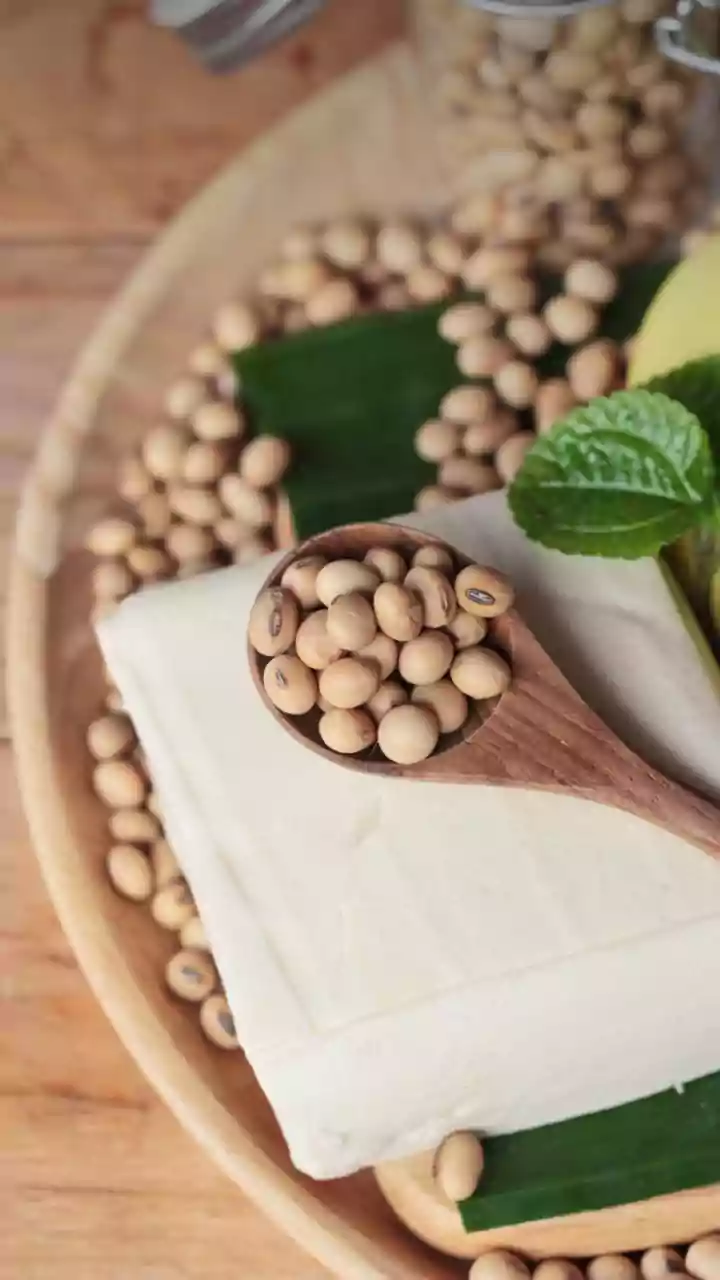
A common myth is that plant-based proteins are 'incomplete' and therefore inferior for muscle building. While it's true that many plant proteins are lower in one or more of the nine essential amino acids, this is easily overcome by eating a variety of sources throughout the day. Your body can pool amino acids from different meals to get what it needs. In fact, sources like soy, quinoa, and hemp seeds are complete proteins on their own, offering all nine essential amino acids. The key amino acid for triggering muscle growth is leucine. Soy protein, found in tofu, tempeh, and edamame, is a fantastic plant-based source of leucine, rivaling some animal proteins in its effectiveness.
Easy Breakfast Swaps to Start Your Day
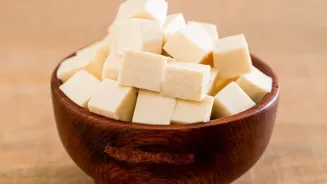
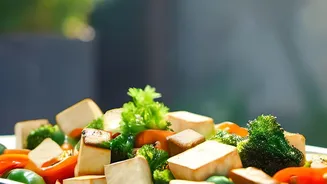
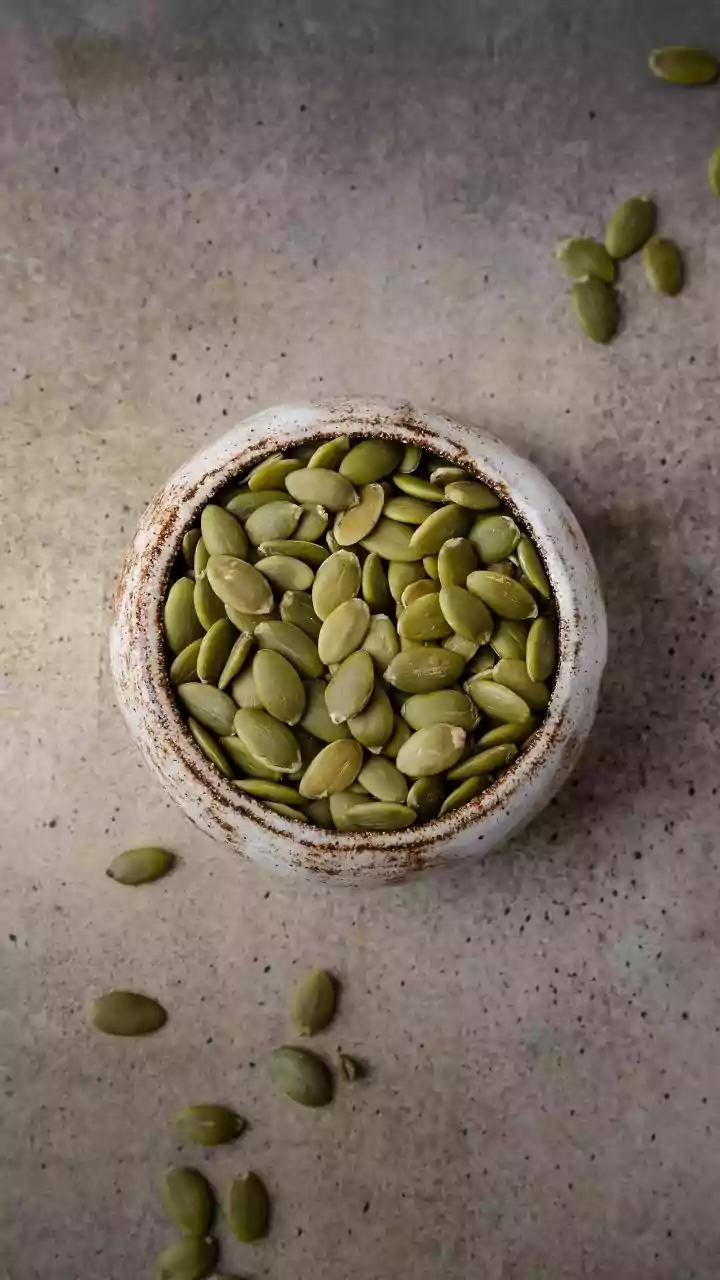
Your first meal of the day is a great opportunity to pack in protein. Instead of a breakfast centred on eggs or dairy, try these simple plant-powered alternatives. Swap your regular omelette for a 'tofu bhurji' or scramble. Crumble firm tofu into a pan with onions, tomatoes, turmeric, and your favourite spices for a savoury, high-protein start. A half-cup of tofu contains around 10 grams of protein. If you're a smoothie person, switch from whey protein to a high-quality pea or soy protein isolate powder, which can deliver 20-25 grams of protein per scoop. Blending it with soy milk and a handful of seeds like flax or chia further boosts the protein and healthy fat content.
Rethinking Your Lunch and Dinner Plates
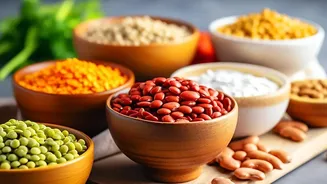
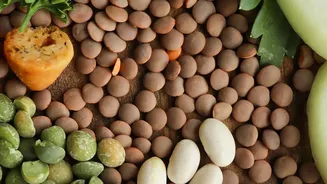
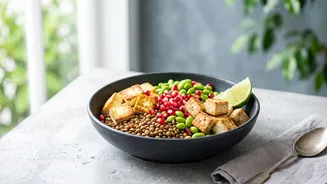
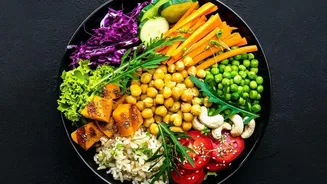
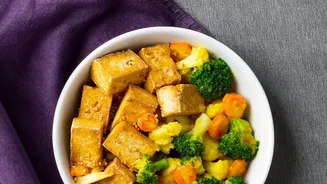
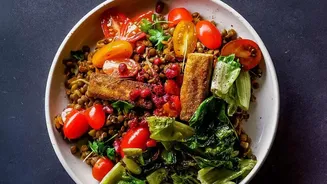
Transforming your main meals is simpler than you think. Many beloved Indian dishes can be easily adapted. Instead of a chicken or mutton curry, make lentils (dal), chickpeas (chana), or kidney beans (rajma) the star of the show. A cup of cooked lentils provides about 18 grams of protein. When paired with rice or roti, it forms a complete protein, which is why combinations like 'dal-roti' and 'rajma-chawal' are nutritional powerhouses. You can also swap paneer for firm tofu or tempeh in stir-fries and curries; they absorb marinades beautifully and provide a satisfying, meaty texture. Even mince-based dishes like keema can be replicated by using cooked lentils or textured vegetable protein (soy chunks).
Smarter Snacking for Muscle Recovery
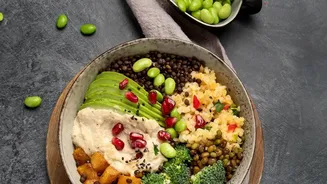
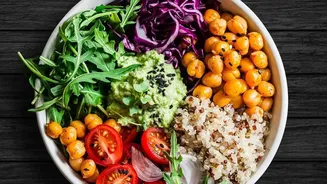
The post-workout snack is crucial for kick-starting recovery. To optimize muscle repair, aim to eat a combination of carbohydrates and protein within 30 to 60 minutes of finishing your session. Instead of reaching for a generic snack bar, try a handful of roasted chickpeas or a small bowl of edamame. A half-cup of edamame provides around 11 grams of protein. Another excellent option is an apple or banana with a generous spoonful of peanut butter. This combination gives you fast-digesting carbs from the fruit and sustained energy and protein from the nut butter. Hummus with whole-wheat pita or vegetable sticks is another great choice that combines protein and complex carbs effectively.