

The Rules of the Road
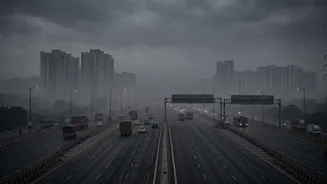
To combat its severe air pollution, especially during the winter months, Delhi has implemented some of the country's strictest vehicle entry rules. Central to this is the enforcement of emission standards. As of late 2026, commercial goods vehicles like
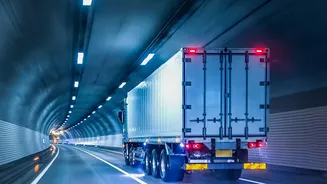
trucks and buses must comply with BS-VI emission norms to enter the capital. This effectively bans a large fleet of older, more polluting BS-IV and earlier models from the city's roads. These rules are often intensified under the Graded Response Action Plan (GRAP), which can trigger further restrictions based on air quality levels. Beyond emissions, there's a long-standing rule banning diesel vehicles older than 10 years. Compounding these are time-of-day restrictions, which prohibit heavy vehicle entry during peak morning and evening traffic hours to ease congestion.
The Great Diversion
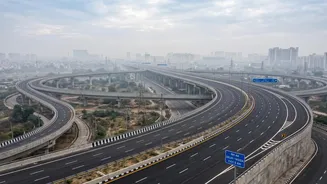
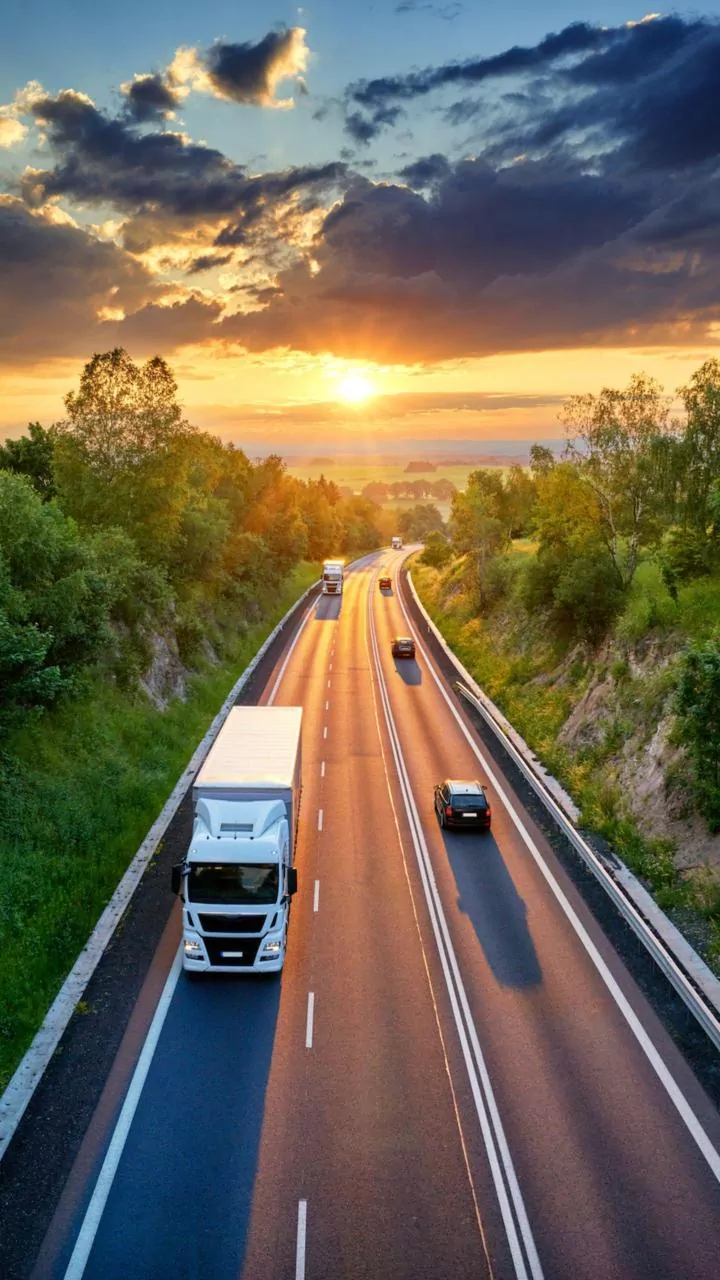
The solution to keep non-destined trucks out of Delhi came in the form of a massive infrastructural project: the Eastern and Western Peripheral Expressways. Inaugurated in 2018, these two six-lane highways form a 270-kilometre ring around the capital, designed specifically to divert commercial traffic that doesn't have a destination within Delhi. This 'smart ring road' allows trucks travelling between states like Haryana, Uttar Pradesh, Punjab, and Rajasthan to bypass the congested city entirely. Official estimates suggest that these expressways divert over 50,000 trucks daily, significantly reducing the load on Delhi's internal road network and contributing to better air quality by keeping a major source of vehicular emissions out.
The View from the Driver's Seat
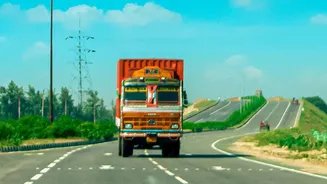
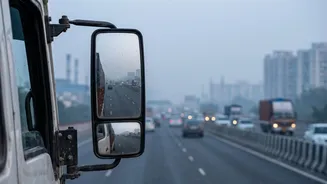
While the expressways have been a boon for Delhi's residents, they represent a complex new reality for transporters. The primary adjustment has been an increase in operational costs. Rerouting via the peripheral expressways means longer journeys, leading to higher fuel consumption and additional toll charges. These costs are inevitably passed down the supply chain. For fleet owners, there is the significant capital expenditure of upgrading to BS-VI compliant vehicles, a costly but necessary investment to continue servicing the lucrative NCR market. Drivers face longer hours on the road and the constant pressure of navigating a patchwork of regulations that can change with the daily air quality index. This adds another layer of complexity to a profession already fraught with challenges like poor road conditions and a lack of adequate rest stops.
Economic Ripples and Unintended Consequences
The rerouting of traffic has broader economic implications. While it eases congestion within Delhi, it concentrates heavy traffic on the peripheral expressways and the highways leading to them. The increased freight costs also contribute to inflation on everyday goods, as nearly everything sold in the region arrives on a truck. Sectors like construction and textiles, which see thousands of vehicle movements daily, are particularly affected. Furthermore, there is a debate about the overall environmental effectiveness. While Delhi's air benefits, the pollution is, to some extent, displaced to the peripheries. Critics argue that a more holistic approach is needed, one that focuses on identifying and phasing out the highest-emitting vehicles based on performance rather than just age or their BS standard. The regulations also highlight a disconnect between regional policy and national logistics, creating friction at state borders and complicating interstate commerce.