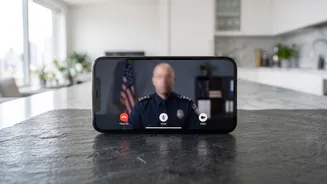







A frightening phone call from someone claiming to be a police or CBI officer can cause immense panic. This is the core of 'digital arrest' fraud, a scam that thrives on fear. Understanding how it works is key to protecting yourself.
What is 'Digital Arrest' Fraud?
Digital arrest is a sophisticated
form of cyber extortion where criminals impersonate officials from law enforcement agencies like the police, CBI, Enforcement Directorate, or customs. They contact victims via phone or video call, falsely accusing them of being involved in serious crimes such as money laundering, drug trafficking, or receiving illegal parcels. The term 'digital arrest' is entirely fabricated; no such legal provision exists in India. Law enforcement agencies do not arrest or interrogate suspects over WhatsApp or Skype. The scammers' goal is to create intense fear and pressure the victim into transferring large sums of money to 'settle' the fake case or 'verify' their bank accounts.
The Anatomy of the Scam
The scam follows a predictable but effective script. It begins with a call alleging a crime linked to your identity. The fraudsters, often in uniform and using staged backgrounds to resemble a police station, will escalate the situation by 'transferring' the call to a more senior fake officer. They may show fake ID cards, FIRs, or arrest warrants to make the threat feel real. A key tactic is isolation. They instruct the victim to stay on a continuous video call, not to speak with family or friends, and to remain visible 'under surveillance'. This psychological manipulation prevents the victim from thinking clearly or seeking help, making them more susceptible to the final demand for an immediate money transfer.
Why Immediate Reporting is Crucial
Scammers thrive on the victim's silence and fear. The moment you transfer money, they begin moving it through a complex web of 'mule accounts' to obscure its trail, often transferring it overseas within minutes. This is why immediate reporting is your most powerful weapon. Authorities refer to the 'golden hour' in cyber fraud cases; reporting a fraudulent transaction as quickly as possible significantly increases the chances of freezing the funds and potentially recovering them. By calling the national helpline, you trigger an alert system that connects law enforcement with banks and payment gateways to block the transaction. Promptly reporting the incident also provides crucial data to authorities, helping them track down these criminal networks and prevent them from victimising others.
Your Step-by-Step Action Plan
If you receive a call threatening 'digital arrest', follow these steps: 1. Stay Calm and Disconnect: Do not panic or engage. The entire scam is built on psychological pressure. Immediately end the call. 2. Do Not Pay: Never transfer money. Genuine agencies will never ask for payment to clear your name or for 'verification' purposes. 3. Immediately Call 1930: This is the National Cyber Crime Helpline, which is operational 24/7. Report the incident, providing the scammer's phone number and any other details you have. If you have already lost money, this step is critical for initiating a fund freeze. 4. File a Formal Complaint: After calling 1930, go to the National Cyber Crime Reporting Portal at www.cybercrime.gov.in to file a detailed complaint. You can upload screenshots, call logs, and transaction details as evidence. 5. Inform Your Bank: If a transaction was made, contact your bank's fraud department immediately to report the unauthorised transfer.
How the Official Helplines Work
The 1930 helpline and the cybercrime.gov.in portal are managed by the Indian Cyber Crime Coordination Centre (I4C), under the Ministry of Home Affairs. When you report a financial fraud through these channels, the Citizen Financial Cyber Fraud Reporting and Management System is activated. This platform instantly shares the fraud details with the relevant banks, payment wallets, and online merchants, instructing them to put the recipient's account on hold. This rapid coordination is designed to interrupt the flow of money before the criminals can withdraw it. Filing a formal complaint on the portal creates an official record that is forwarded to the police in your state for investigation. Even if funds are not recovered, your report helps build a case against the fraudsters.