








Your Digestion Slows Down
The rainy season, or 'Varsha Ritu' in Ayurveda, is a time when our digestive fire, known as 'Agni', is considered to be at its weakest. This happens due to the damp, cool environment, which can lead to a sluggish metabolism. When digestion is weak, heavy
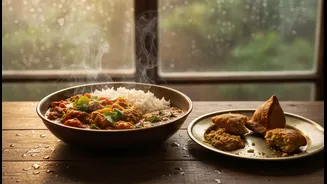
and stale foods become difficult to process, often leading to bloating, acidity, and indigestion. Freshly prepared meals are inherently lighter and easier for a compromised digestive system to handle. Warm, cooked foods like soups, khichdi, and steamed vegetables help stimulate the digestive fire, ensuring nutrients are absorbed properly without overburdening your gut.
A Playground for Bacteria
The single biggest reason to be wary of leftovers during the monsoon is the high humidity. Warm and moist conditions are the perfect breeding ground for bacteria, mould, and other harmful microorganisms. Food that might stay safe for a day or two in winter can spoil within hours during the monsoon, even before it shows obvious signs like a bad smell or mould. Every time you open the refrigerator, humid air rushes in, creating a less-than-ideal environment for storage. Common bacteria like E. coli and Salmonella thrive in these conditions, significantly increasing the risk of food poisoning, gastroenteritis, and other stomach infections.
The Nutritional Edge of Fresh Food
From a nutritional standpoint, fresh food always wins. The moment food is cooked, its nutrient profile begins to change. When stored and reheated, certain heat-sensitive vitamins, like Vitamin C and B-complex vitamins, degrade further. While leftovers can still provide energy, they offer diminished nutritional value compared to a meal prepared with fresh ingredients. Ayurveda suggests that fresh food contains more 'prana' or life force energy, which is essential for vitality. Leftover food, considered 'tamasic', is believed to increase lethargy and dullness. Eating fresh ensures your body gets the maximum benefit from every meal, which is crucial when your immunity is naturally lower during the monsoon.
Wisdom From Ayurveda
Ayurvedic principles for the monsoon season (Varsha Ritucharya) strongly advise against consuming stale or refrigerated foods. The focus is on eating light, warm, and easily digestible meals to balance the aggravated 'Vata' (air) dosha and weakened 'Agni' (digestive fire). Leftovers are considered heavy and can create 'ama', or metabolic toxins, which are seen as the root cause of many illnesses. Instead, Ayurveda recommends a diet rich in old grains like barley and rice, lentil soups (like moong dal), and cooked gourds. Spices such as ginger, turmeric, and cumin are also encouraged to help kindle the digestive fire and boost immunity.
Making Safer Choices This Monsoon
While completely avoiding leftovers might not always be practical, you can take steps to minimise risks. If you must store food, do so in an airtight container and refrigerate it within two hours of cooking. When reheating, ensure the food is brought to a thorough boil or is steaming hot to kill any potential bacteria. However, the best practice remains cooking just enough for one meal. This is especially true for foods like rice, which can quickly grow harmful bacteria like Bacillus cereus in humid weather. Prioritising freshly cooked, simple meals is not just a preference but a powerful strategy to stay healthy and enjoy the rainy season without the worry of digestive troubles.