






The Hidden Cost of Individual Ownership
In modern urban living, convenience often leads to consumption. We buy an electric screwdriver, a power washer, or a specific saw for a single task, and then relegate it to a cupboard. While seemingly harmless, this pattern of purchasing rarely-used items
contributes significantly to household clutter and, more critically, to India's mounting e-waste crisis. Electronic waste is one of the fastest-growing waste streams, filled with hazardous materials like lead and mercury. Many power tools and small appliances have a limited lifespan and are difficult to repair, meaning they are often discarded improperly, contributing to environmental damage. In India, households are a major source of e-waste, yet a vast majority of this waste is not formally recycled, posing risks to health and the environment.
A Shared Solution: The Tool Library
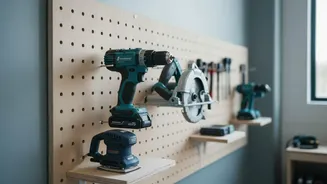
In response, a growing number of housing societies and Resident Welfare Associations (RWAs) are embracing a concept rooted in the sharing economy: the tool library. Much like a book library, a tool library is a shared collection of equipment that residents can borrow as needed. Instead of 200 flats owning 200 drills, the community invests in a few high-quality ones for everyone to use. These initiatives, sometimes called a "Library of Things," can stock everything from basic hammers and ladders to more specialised equipment like tile saws, carpet cleaners, and gardening tools. This model directly reduces the number of new products that need to be manufactured, transported, and eventually thrown away, aligning with the principles of a circular economy.
Beyond E-Waste: Financial and Social Gains
The primary motivation may be waste reduction, but the benefits of tool sharing extend much further. For residents, the financial savings are immediate. There's no need to spend thousands of rupees on a device for a one-off DIY project. This is especially beneficial for renters and those in smaller apartments who lack storage space. By pooling resources, communities can afford better quality, more durable tools that last longer than cheaper consumer-grade alternatives. Perhaps the most significant, yet intangible, benefit is the strengthening of community bonds. The act of borrowing and lending fosters interaction and trust among neighbours. It turns a transactional living arrangement into a more collaborative community, where residents share skills and help one another. Some tool libraries even host repair cafes and skill-building workshops, further enhancing community engagement.
Making Sharing Work in Practice
Successfully implementing a tool library requires planning and structure. Most societies establish clear rules for borrowing, including duration and responsibility for damages. Technology often plays a key role, with many communities using simple tools like shared spreadsheets or dedicated apps to manage inventory, check availability, and reserve items. Some larger housing projects incorporate a "Library of Things" as a built-in amenity, managed through a central app for residents. Key considerations include finding a secure, accessible storage space—often a small room in the clubhouse or a designated basement area—and deciding on a management model. This can range from a purely volunteer-led effort to a system with a nominal annual membership fee to cover maintenance and replacement costs.