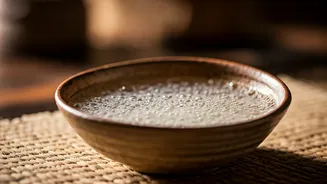



The Ancient Magic of Fermentation
Fermentation is an age-old preservation technique that has been part of human diets for thousands of years. In simple terms, it’s a process where microorganisms like bacteria and yeast break down components in food (like sugars) into other products, such
as acids, gases, or alcohol. This not only preserves the food but also transforms it, creating unique flavours, textures, and, most importantly, powerful health benefits. The stars of this process are probiotics—live, beneficial bacteria that are fantastic for your digestive system. When you eat fermented foods, you’re essentially delivering reinforcements to the good bacteria that already live in your gut, helping to create a healthy and balanced internal ecosystem.
Why Your Gut Health Matters So Much
Think of your gut as the command centre for your body’s well-being. A healthy gut microbiome—the community of trillions of bacteria residing in your digestive tract—is linked to much more than just good digestion. Scientists are increasingly connecting gut health to a strong immune system (about 70% of which is located in the gut!), improved mood and mental clarity, and even healthier skin. An imbalance, where harmful bacteria outnumber the good, can contribute to issues like bloating, indigestion, and inflammation. By consuming probiotic-rich fermented foods, you help tip the scales in favour of the good guys, supporting this crucial 'second brain' and promoting holistic health from the inside out.
India’s Treasure Trove of Ferments
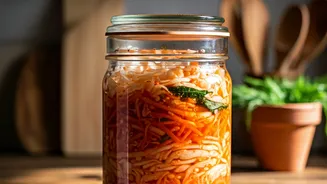
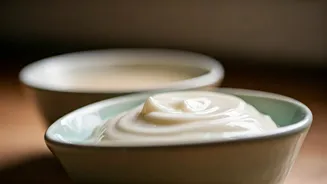
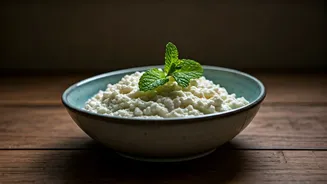
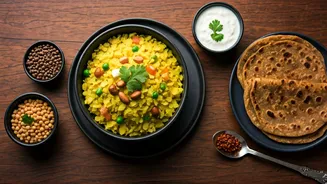
The good news is that you don’t need to look far to find delicious fermented options. Indian cuisine is brimming with them! • **Dahi (Yogurt):** The quintessential Indian fermented food. A bowl of homemade curd is packed with probiotics that aid digestion and cool the body. • **Idli & Dosa:** This South Indian breakfast staple is made from a fermented batter of rice and lentils. The fermentation process makes the nutrients in the grains more bioavailable, meaning your body can absorb them more easily. • **Dhokla:** This fluffy, savoury snack from Gujarat is also made from a fermented batter, typically of gram flour (besan), making it a light yet protein-rich choice. • **Kanji:** A traditional North Indian probiotic drink made by fermenting black carrots or beetroots with spices. It's a tangy, flavourful drink often enjoyed around Holi and is excellent for digestion.
Exploring Global Fermented Favourites
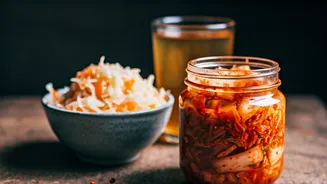
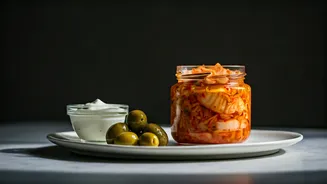
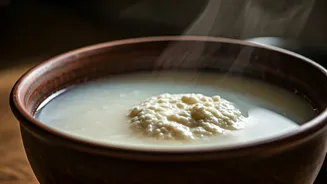
If you're feeling adventurous, the world of fermented foods offers even more exciting options to explore. • **Kefir:** A fermented milk drink, similar to a thin yogurt or lassi, but often containing a wider variety of probiotic strains. It's great in smoothies or just on its own. • **Kombucha:** A fizzy, slightly sweet-and-sour fermented tea. It has become incredibly popular as a healthier alternative to sugary soft drinks. • **Kimchi:** A staple in Korean cuisine, kimchi is a spicy, tangy side dish made from fermented vegetables, most commonly napa cabbage and Korean radishes. It's a flavour bomb that adds a punch to rice, noodles, or even scrambled eggs. • **Sauerkraut:** A German classic of finely shredded fermented cabbage. Look for raw, unpasteurised versions in the refrigerated section of stores to ensure the live cultures are intact.
Simple Ways to Get Started
Incorporating these foods into your diet doesn't have to be complicated. Start small and find what you enjoy. Try adding a tablespoon of dahi to your dal or sabzi. Swap your morning toast for a plate of idlis. Have a small glass of kefir as a mid-afternoon snack. Or add a spoonful of kimchi to your fried rice for an extra kick of flavour and nutrients. The key is consistency. A small amount regularly is far more beneficial than a large amount once in a while. Listen to your body and slowly build up your intake, allowing your digestive system to adjust.