



The Double-Edged Sword of Shoulder Season
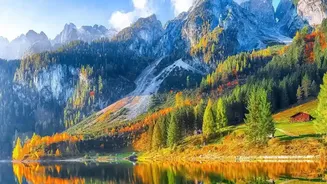
September is the heart of the autumn “shoulder season” in the Northern Hemisphere. This period between the peak summer rush and the quiet off-season has major draws: fewer tourists, lower prices on flights and hotels, and a more authentic local atmosphere.
For a solo traveler, this can mean more space to explore and a less frantic pace. However, the perks come with trade-offs. Fewer tourists can sometimes mean a quieter social scene, making it harder to meet fellow travelers in hostels or on tours, which can be a key part of the first-time solo experience. It's a balance between tranquility and the potential for loneliness.
The Global Weather Gamble
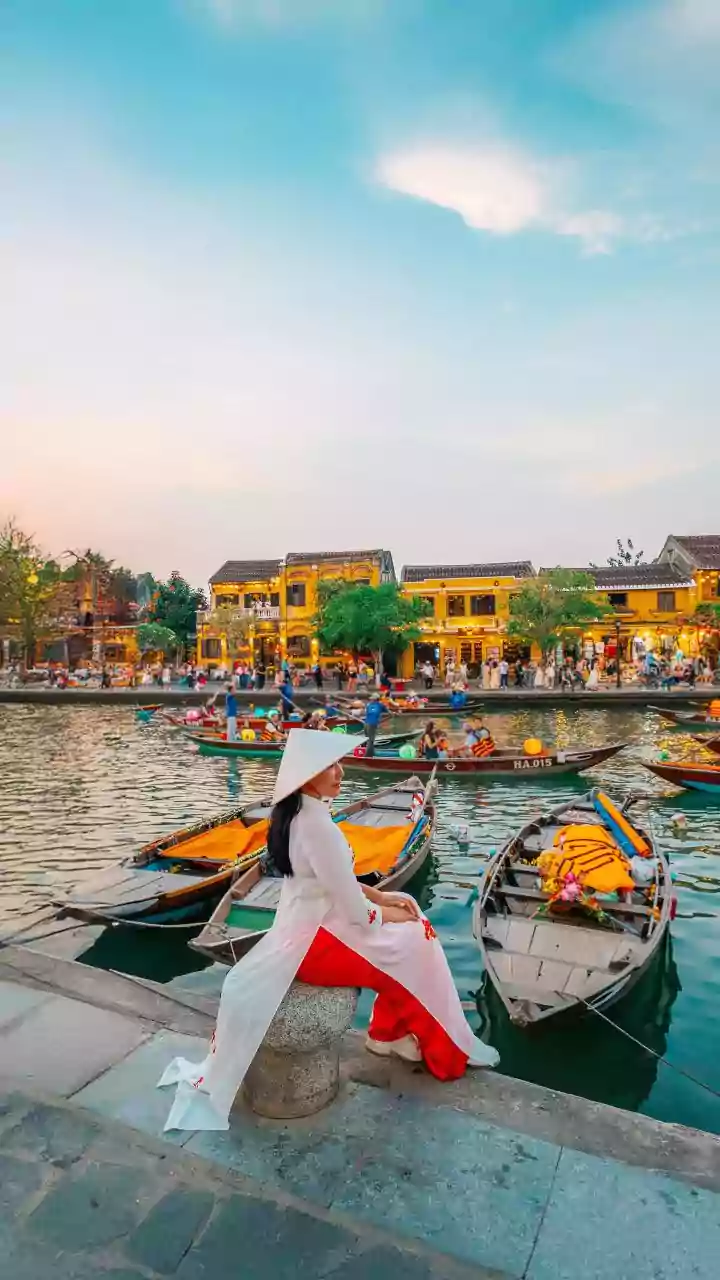
Weather is the biggest variable in September. While destinations in the Mediterranean like Greece, Croatia, and Southern Italy are often idyllic with warm seas and sunny days, other popular spots present significant risks. The Atlantic hurricane season officially runs from June to November, with its peak often hitting between mid-August and mid-October. This makes destinations in the Caribbean, Mexico, and the southern U.S. a gamble. Similarly, much of Southeast Asia, including Thailand and Cambodia, experiences its monsoon season, with frequent, heavy rainfall. While this brings lush green landscapes and fewer crowds, it can also mean flooded roads and cancelled activities.
Reduced Operations and Early Closures
As tourist numbers decline after August, so do operating hours for many businesses. In European resort towns and islands, some seasonal restaurants, tour operators, and even ferry services may reduce their schedules or close for the season entirely by late September. This is especially true for mountain regions, where hiking huts often shut down as the month ends. A first-time solo traveler might arrive with a packed itinerary only to find that key attractions are no longer accessible or that the vibrant nightlife they expected has wound down. This requires diligent pre-trip research, checking the specific opening times and schedules for the exact dates of your travel, rather than relying on general summer information.
Strategic Destinations for September
Despite the challenges, September can be a fantastic month for a solo trip if you choose your destination wisely. Southern Europe is a strong contender, with cities like Rome and Lisbon offering pleasant temperatures and a full slate of cultural activities without the exhausting summer heat. It's also harvest season in many wine regions, such as Italy and France, which buzz with local festivals. In the Southern Hemisphere, spring is beginning. Brazil, particularly the Pantanal wetlands, offers incredible wildlife viewing in its dry season. For those set on Asia, parts of Indonesia like Bali and Java are in their dry season, providing sunny weather ideal for hiking and beach time. Even in monsoon-affected countries, you can find sweet spots. Sri Lanka's east coast, for instance, is typically dry and sunny in September while the west coast is wet.
Your Pre-Trip Research Checklist
For a successful first solo trip in September, your research needs to be specific. First, investigate the historical weather patterns for your chosen destination during your exact travel dates, not just the month in general. Look beyond averages to understand the risk of extreme events like hurricanes or typhoons. Second, check the operational status of must-see attractions, tours, and transport. Don't assume everything will be open. Third, if meeting people is a priority, research hostels and group activities known for being social even in the shoulder season. Finally, embrace flexibility. Unpredictable weather or closures can disrupt plans, and a willingness to adapt is a solo traveler’s greatest asset.