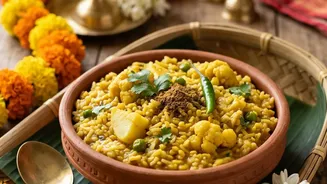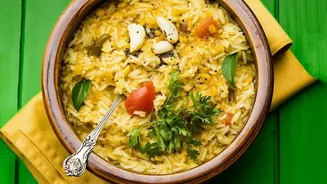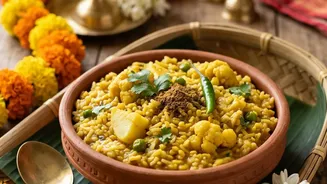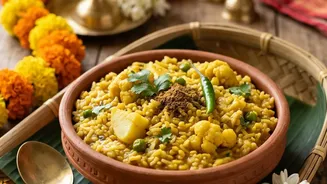



Khichdi is the undisputed comfort food of the Indian subcontinent, a wholesome blend of grain and lentil. But the choice of grain—classic rice or hearty dalia—dramatically changes the dish, and redefines the role that lentils play in it.
The Soul of Khichdi: A Perfect Pairing
Khichdi, at its
core, is a simple, nourishing dish made by cooking a grain and a lentil together. Derived from the Sanskrit word 'khicca', this one-pot meal is celebrated for its digestibility and balanced nutrition. The combination of a cereal like rice with a legume like lentils creates a complete protein, providing all the essential amino acids your body needs. This synergy is what elevates khichdi from a simple porridge to a cornerstone of Ayurvedic and everyday Indian diets. While traditionally seen as food for recovery, a well-made khichdi is a flavourful and wholesome meal for anyone, anytime.
Classic Khichdi: The Creamy Comfort of Rice and Lentils
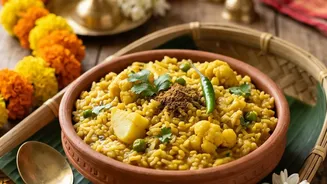
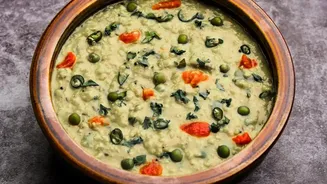
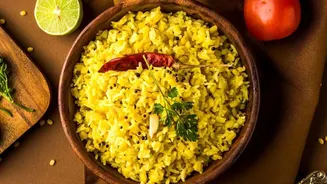
In its most traditional form, khichdi is made with rice and split yellow lentils (moong dal). This pairing is iconic for a reason. Moong dal is prized for its ability to break down easily, melting into the rice to create a soft, creamy, and porridge-like consistency that is incredibly soothing. The starch from the rice and the texture of the cooked-down dal merge into a singular, comforting whole. Here, the lentil's primary role is to provide a creamy texture and a substantial protein boost without overwhelming the delicate flavour. While moong dal is the most common choice, other lentils like masoor dal (red lentils) or toor dal (split pigeon peas) can also be used, each lending a slightly different taste and consistency.
The Challenger Arrives: Enter Dalia
Dalia, also known as broken or cracked wheat, has emerged as a popular, health-conscious alternative to white rice. Because it is a whole grain product, dalia retains its bran and germ, making it significantly richer in dietary fibre and protein compared to polished white rice. This high fibre content makes dalia more filling, which can aid in weight management by keeping you satiated for longer. For this reason, many people now substitute rice with dalia to create a heartier, more rustic version of the classic comfort dish.
Lentils in Dalia Khichdi: A Different Partnership
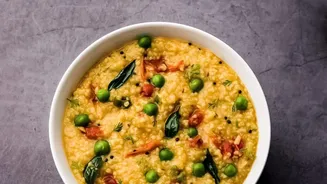
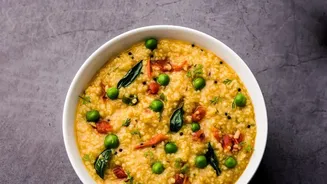
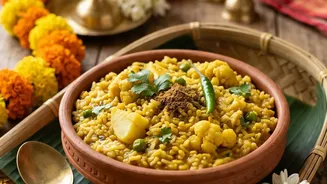
When dalia replaces rice, the role of the lentil shifts. Dalia does not break down into a soft mush like white rice; it retains a chewy, nutty texture. Consequently, the lentils in dalia khichdi are less about creating creaminess and more about complementing this heartier base. The final dish is less of a homogenous porridge and more of a textured pilaf. Lentils provide their essential protein and earthy flavour, but they stand alongside the dalia as a distinct ingredient. The resulting texture is more substantial and less comforting in the traditional, meltinngyour mouth sense. The focus shifts from softness to a robust, grainy bite.
A Nutritional Showdown
From a nutritional standpoint, dalia khichdi often has the edge. Dalia contains significantly more fibre than white rice—by some estimates, more than three times the amount. This high fibre content, along with a lower glycemic index (GI) of around 41 compared to white rice's GI of 73, means it releases sugar into the bloodstream more slowly. This makes dalia khichdi a favourable option for those managing blood sugar levels. Both versions are excellent sources of plant-based protein thanks to the lentils. However, the added fibre and protein from the dalia itself boost the overall nutritional profile, making dalia khichdi a denser, more nutrient-packed meal.
Which One Should You Choose?
The choice between rice khichdi and dalia khichdi comes down to your personal health goals and textural preferences. If you seek a light, easily digestible, and supremely comforting meal, especially during recovery or for a sensitive stomach, the classic moong dal and rice khichdi is unparalleled. Its soft, creamy nature is soothing and gentle on the digestive system. However, if your goal is to maximise fibre intake, improve satiety for weight management, or maintain stable blood sugar levels, dalia khichdi is the superior choice. Its chewy texture and nutty flavour offer a satisfying and robust meal that keeps you fuller for longer. In both dishes, the lentils are the constant, providing the foundational protein and flavour that make khichdi the balanced meal it is.